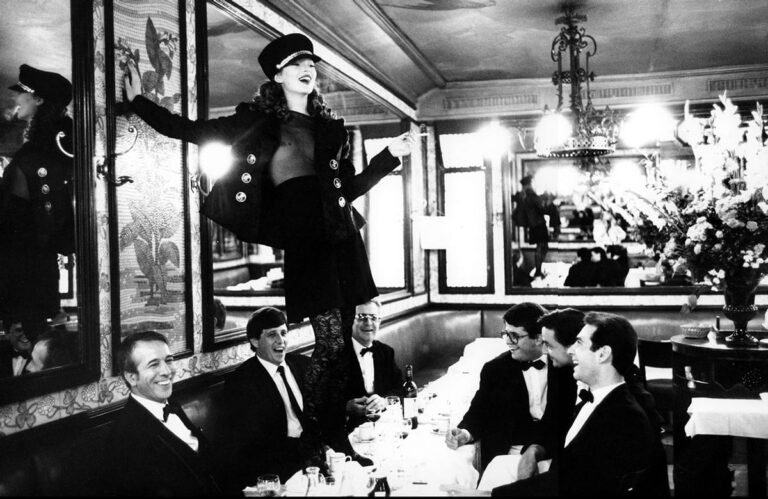
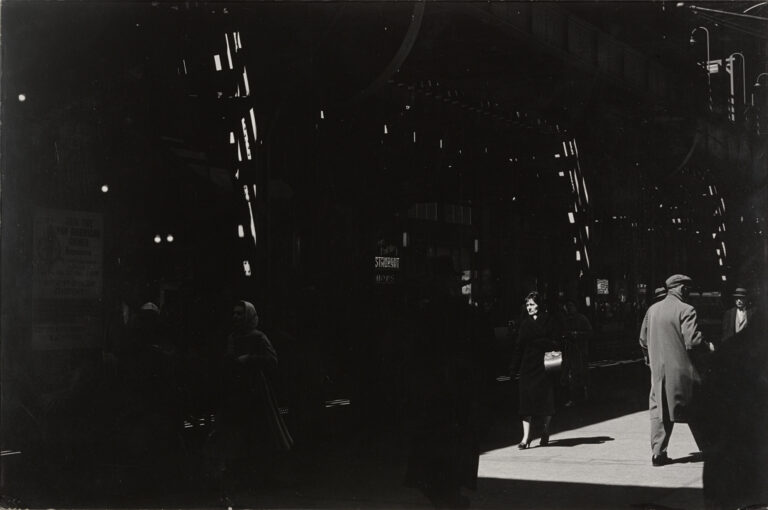
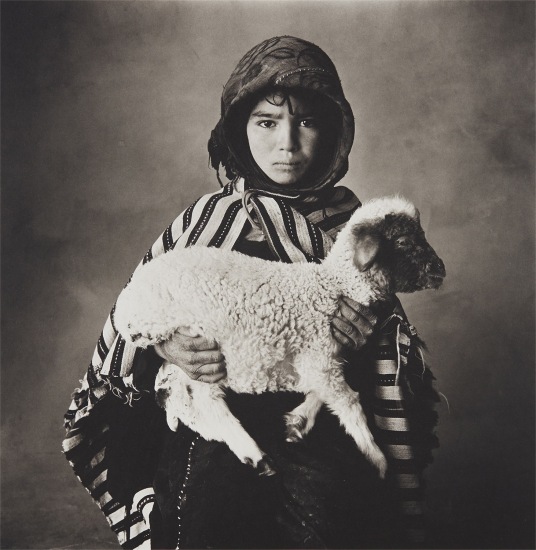
Ithaca Gallery returns to Art Miami with a presentation of 20th- and 21st-century photography and contemporary art, featuring works by Michael Dweck, William Klein, Helmut Newton, Irving Penn, Jean-Michel Basquiat, and others.
The online preview offers an advance look at selected works ahead of the fair. A complete price list is available, with further details and private viewings arranged directly through the gallery.
Featured Artists
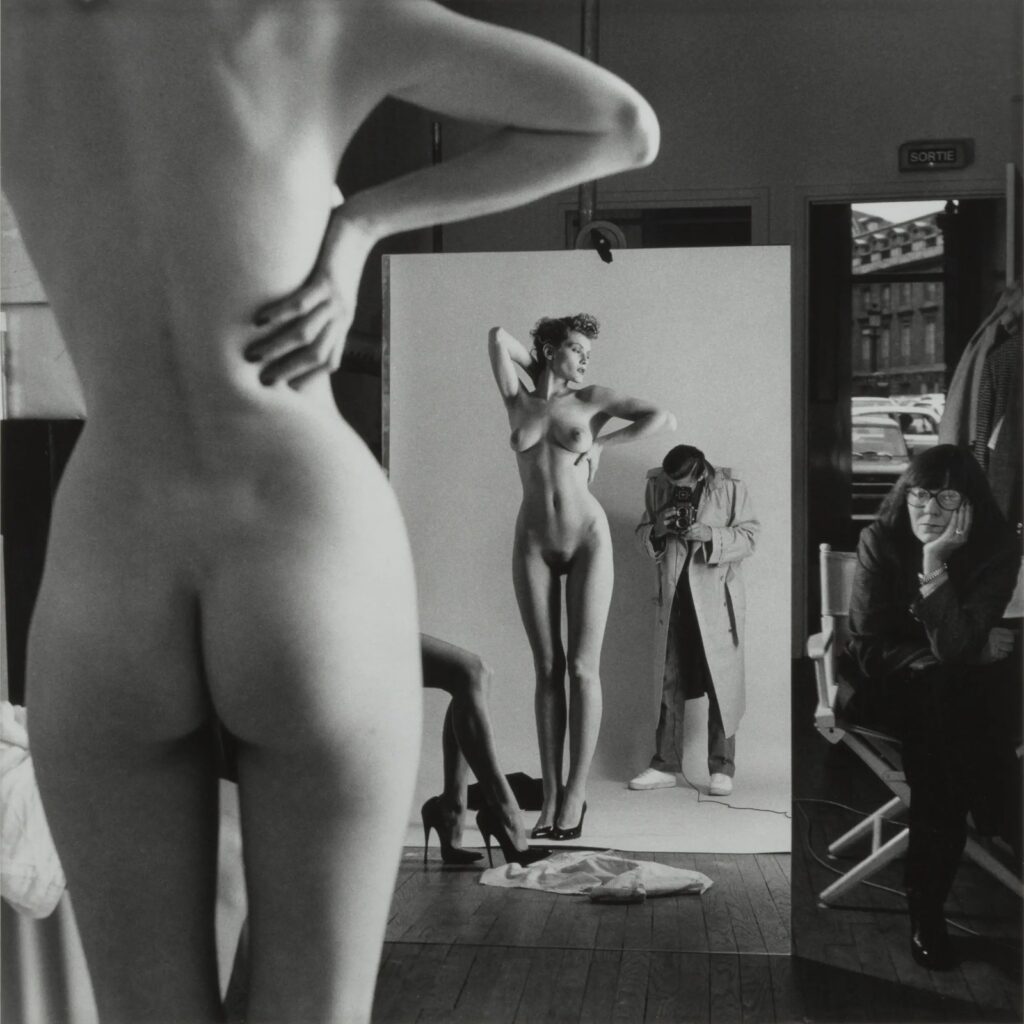
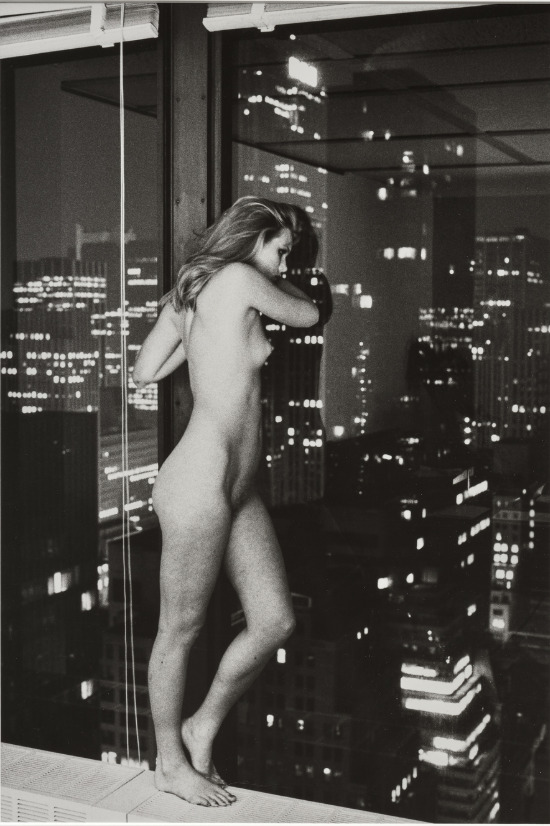
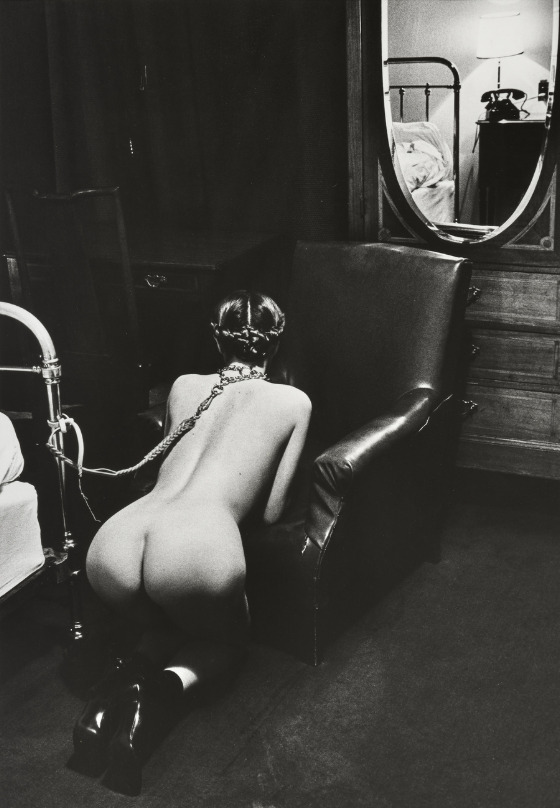
Helmut Newton
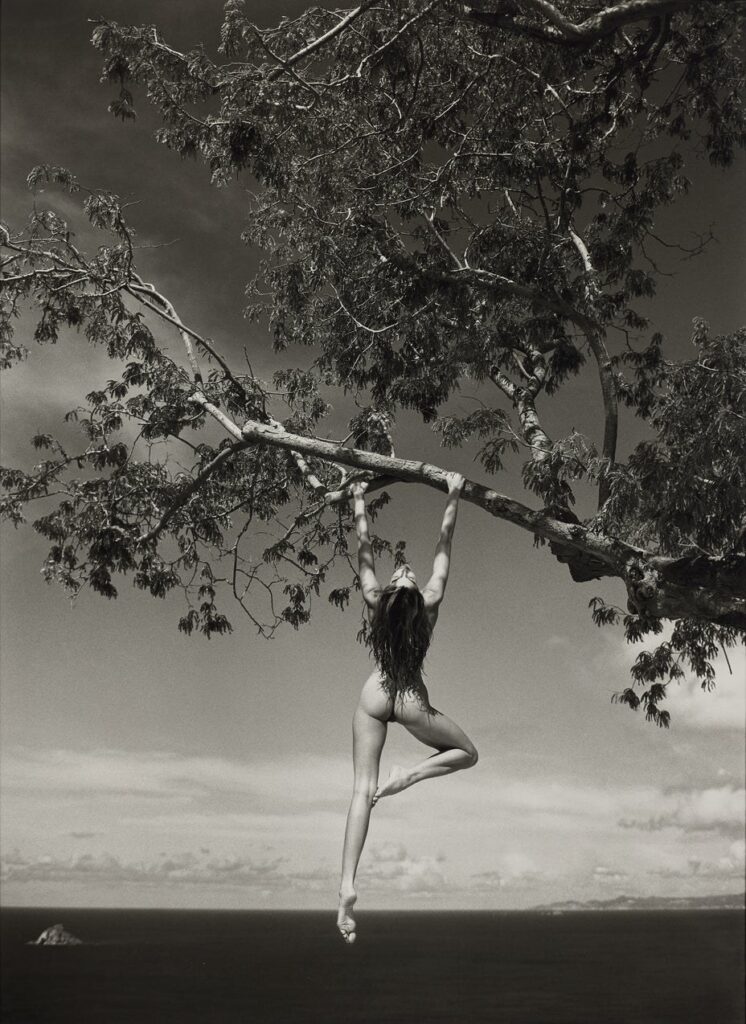
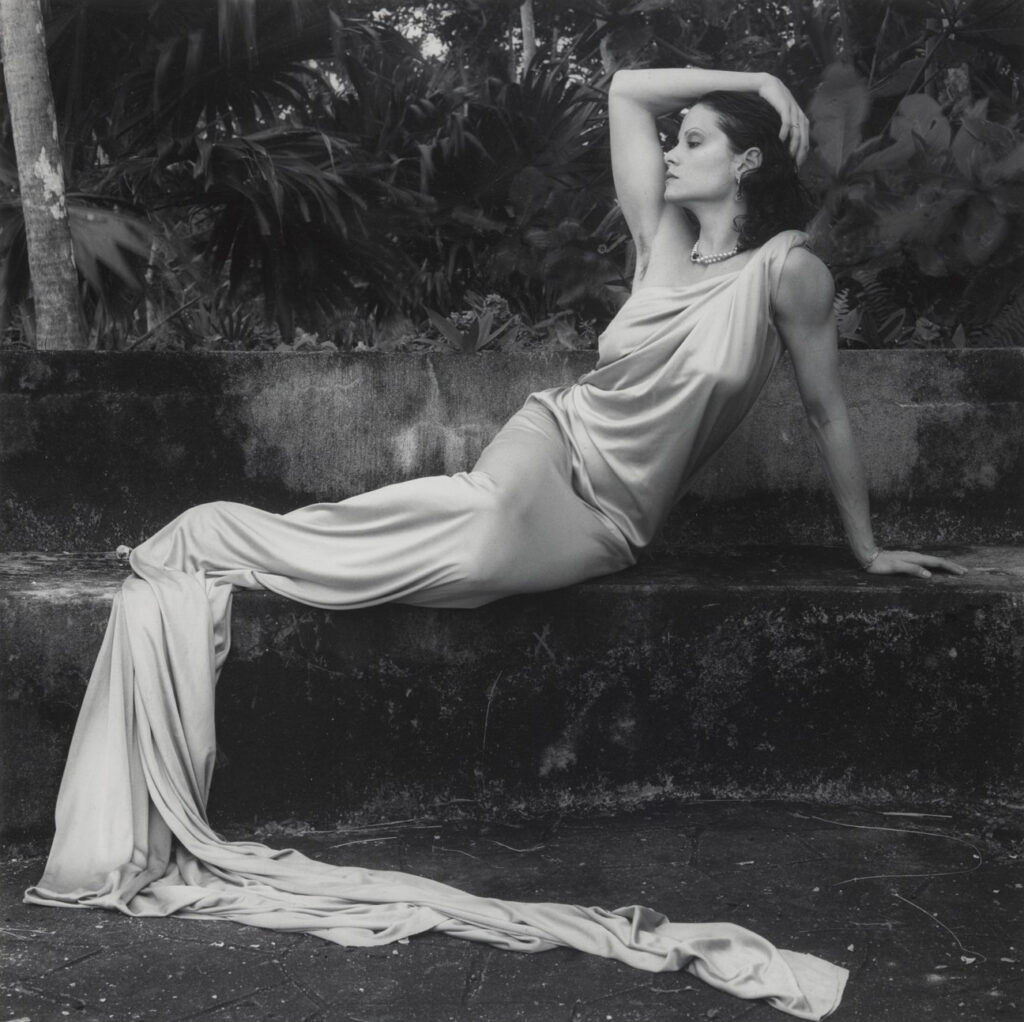
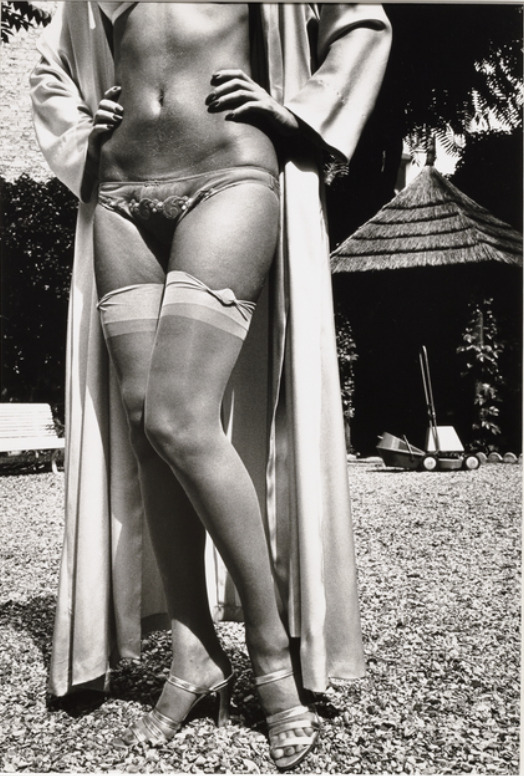
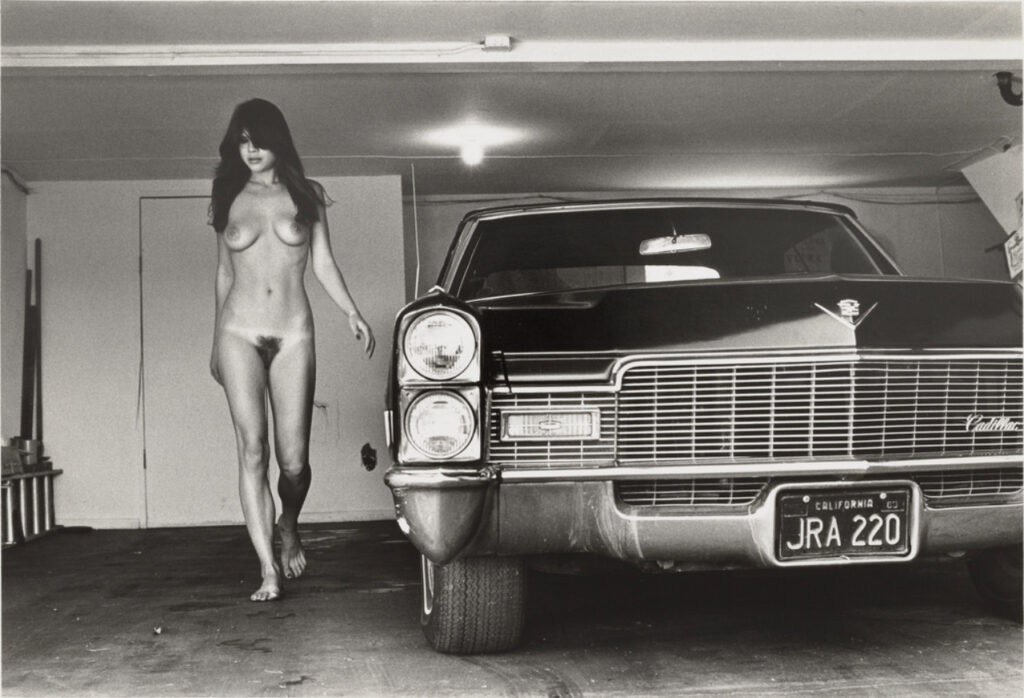
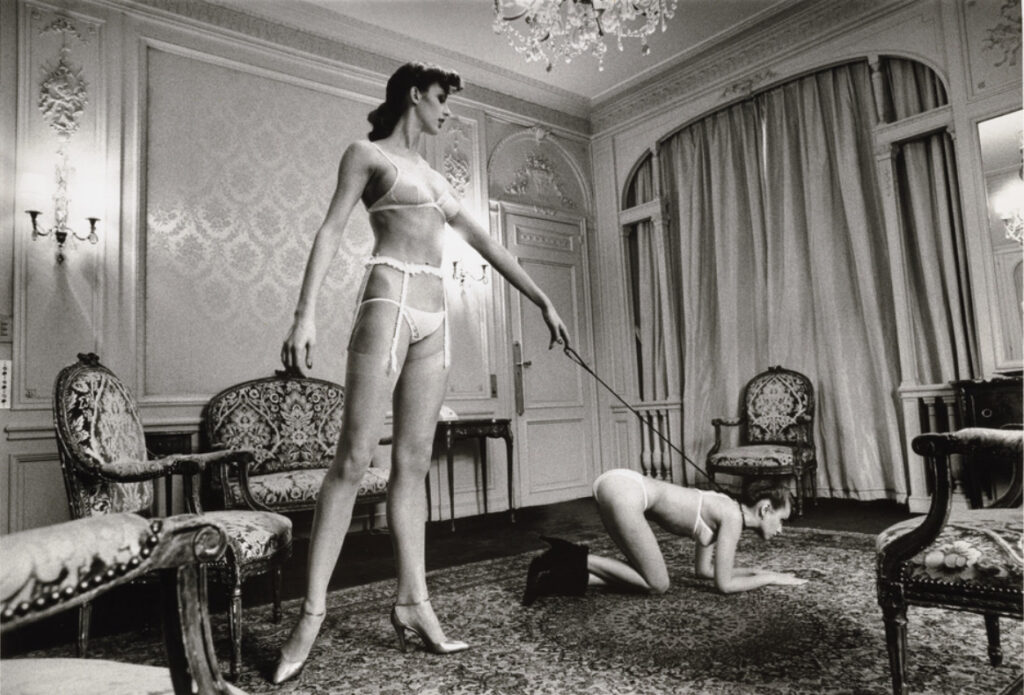
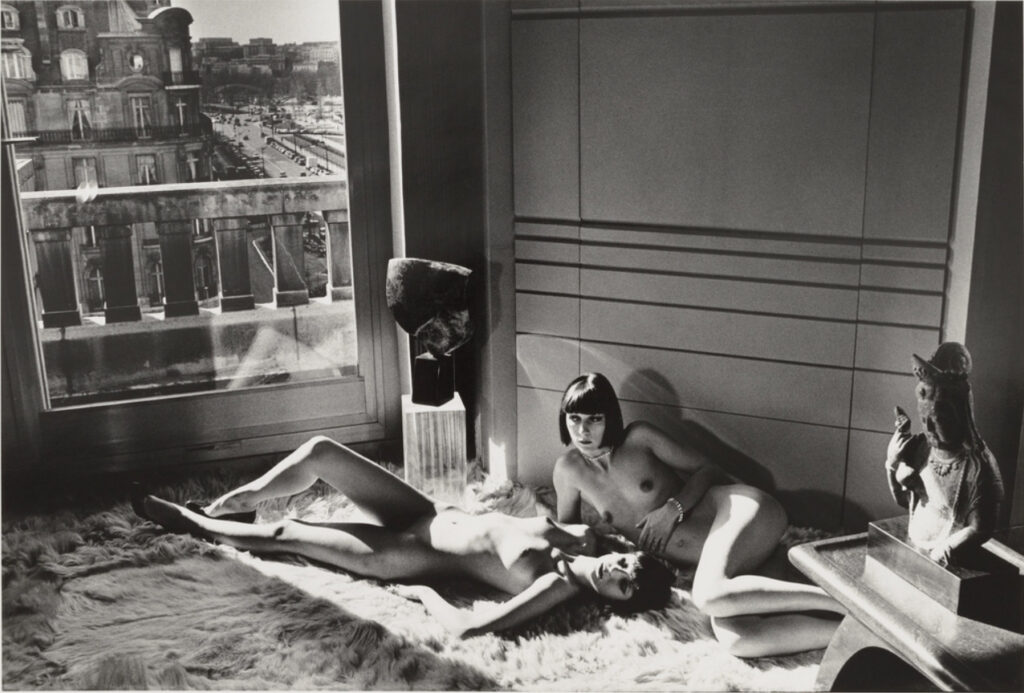
Helmut Newton was one of the most influential fashion photographers of the twentieth century. Born in Berlin, he established an international career through his work for Vogue, challenging conventional representations of women in fashion photography. His photographs explore the relationship between sexuality and power, frequently presenting women as commanding figures within carefully constructed scenes.
Rejecting traditional studio conventions, Newton drew upon cinema to create staged photographs often set in hotel rooms, private interiors, and urban environments. His work explores themes of power, desire and voyeurism, with an underlying psychological tension that became a defining characteristic of his practice.
Irving Penn
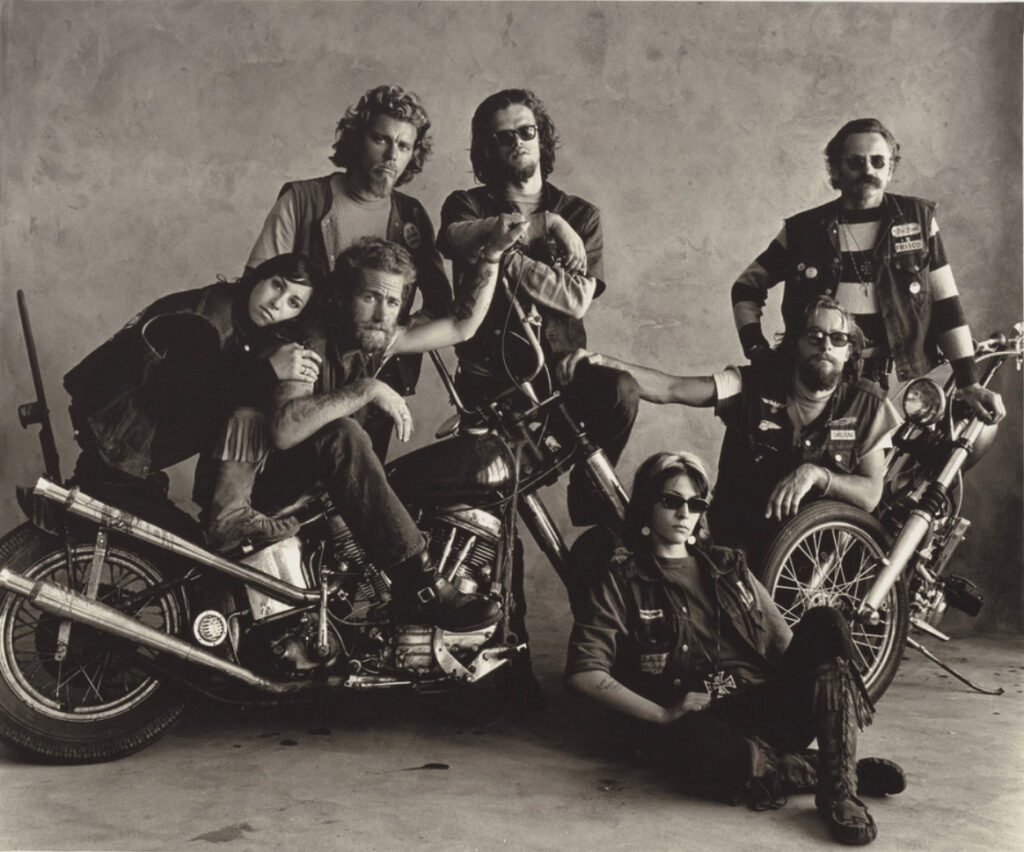
Irving Penn (1917–2009) was an American photographer whose work transformed the fields of fashion photography, portraiture, and still life. His career began at Vogue in 1943, where he established a distinctive approach to photography rooted in modernist principles of composition and design. Over the following six decades, Penn produced an extensive body of work that extended beyond his editorial commissions, photographing celebrated cultural figures alongside tradespeople and individuals from communities around the world.
Penn was renowned for his use of restrained studio settings, often isolating his subjects against plain backdrops to emphasize their individual character. His commitment to the photographic print was equally significant, particularly his mastery of the platinum-palladium process, which allowed him to achieve exceptional tonal depth. Through his sustained experimentation with technique and subject matter, Penn helped establish photography's place within the broader history of twentieth-century art.
Jean-Michel Basquiat
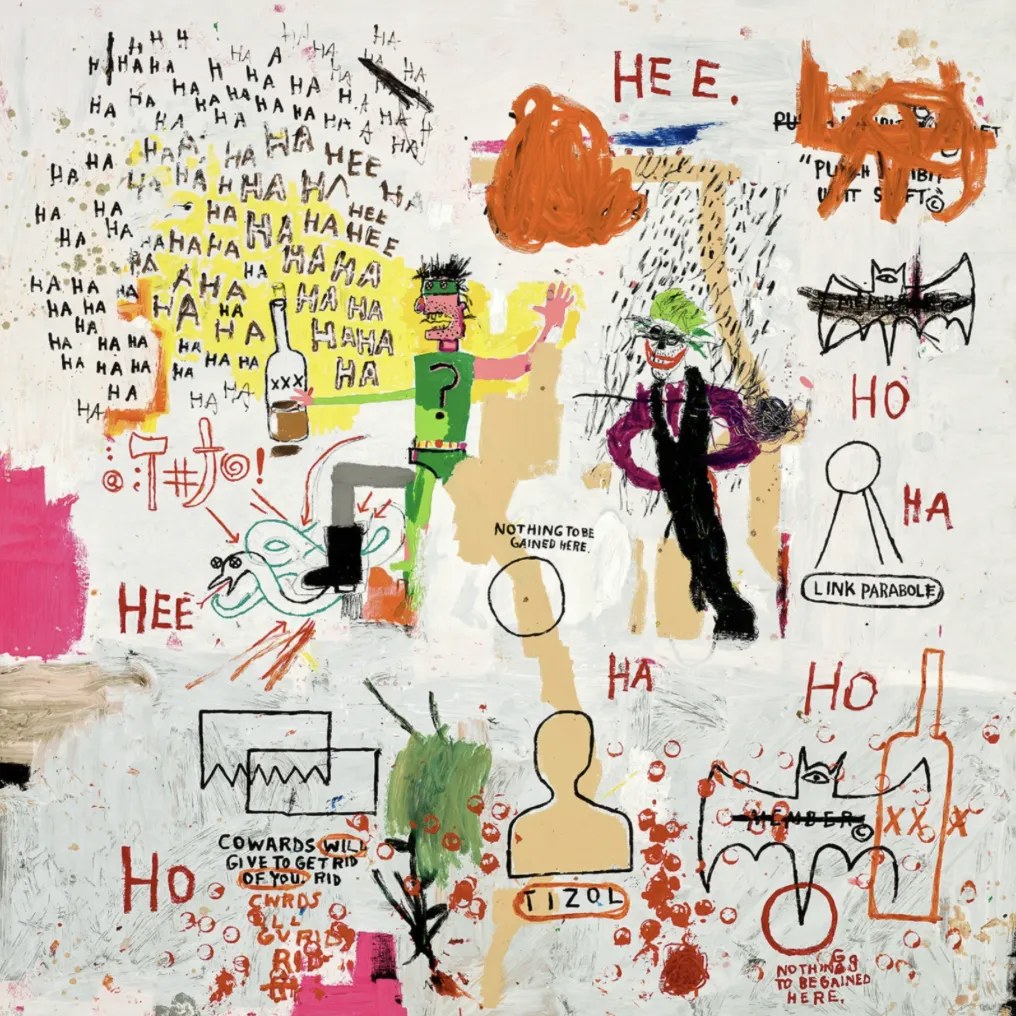
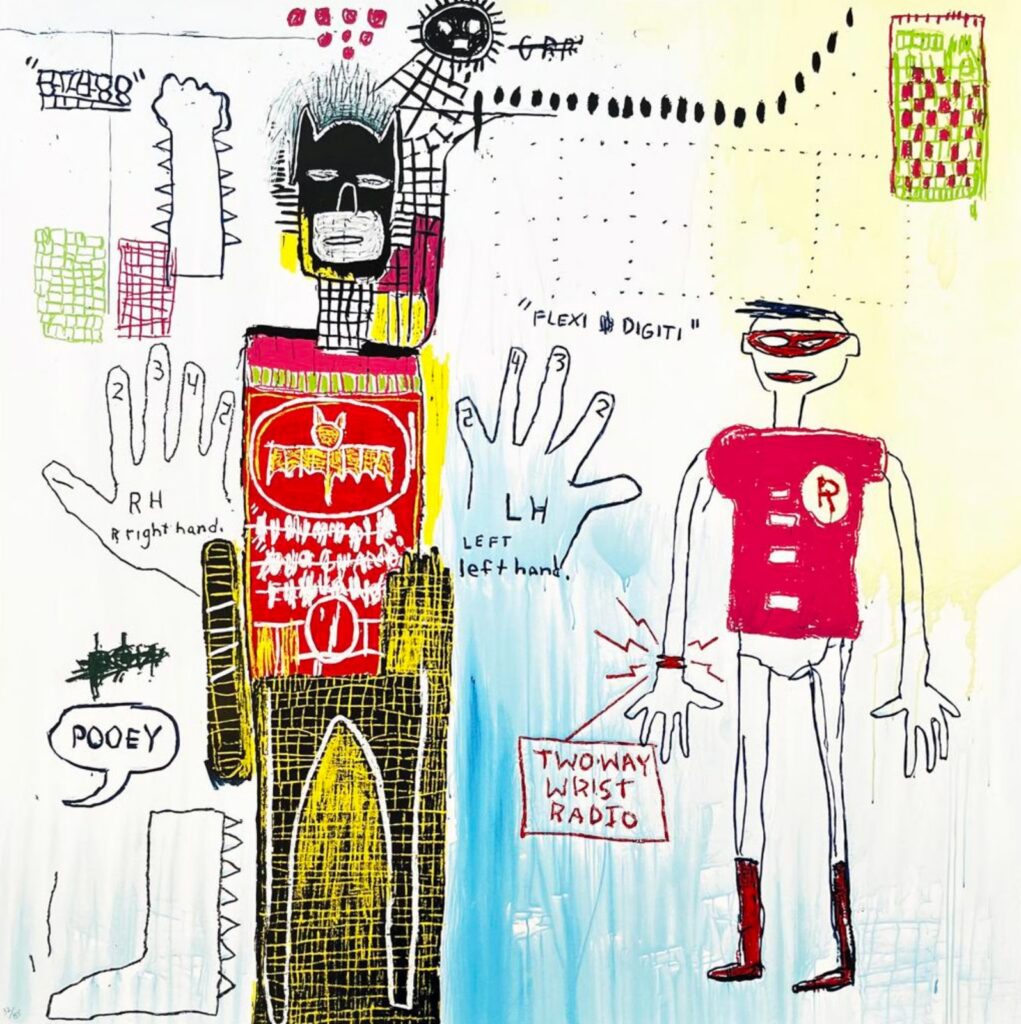
Jean-Michel Basquiat (1960–1988) was an American artist whose work became a defining force in the development of contemporary art during the 1980s. Emerging from New York's downtown art scene in the late 1970s, Basquiat first gained recognition through the enigmatic graffiti he created under the pseudonym SAMO before turning to painting. Drawing upon influences ranging from jazz and anatomy to African American history and popular culture, he developed a distinctive practice combining painting, drawing, and text. His work addressed questions of race, identity, and power, challenging established hierarchies within art history and contemporary society.
Basquiat's paintings are distinguished by their recurring use of crowns, skeletal figures, and references to historical and cultural icons. Through the juxtaposition of words and imagery, he examined the representation of Black figures in Western history while engaging with the traditions of twentieth-century painting. Despite a career spanning less than a decade, Basquiat achieved international recognition, and his work remains central to the history of contemporary art. His paintings and works on paper are held in major museum collections worldwide, including the Museum of Modern Art, the Whitney Museum of American Art, and The Broad.
Joel Meyerowitz
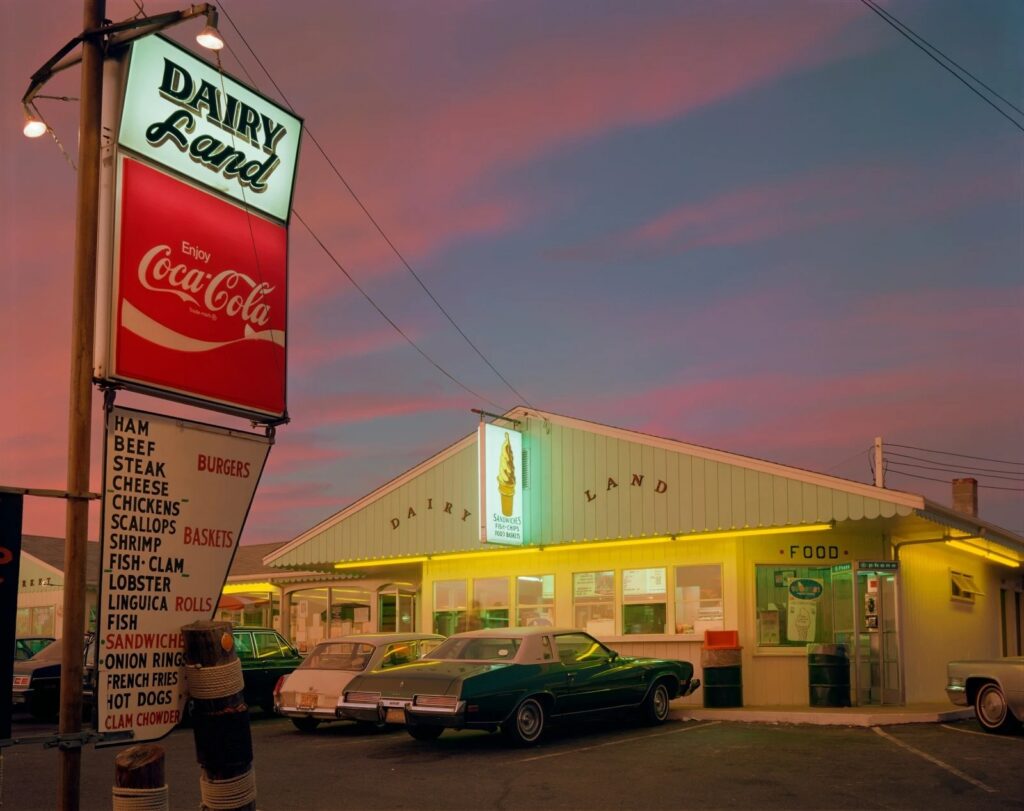
Joel Meyerowitz (b. 1938) is an American photographer whose pioneering use of color helped establish its acceptance as a serious form of artistic expression. Beginning his career as a street photographer in New York in 1962, Meyerowitz worked alongside a generation of photographers who challenged established documentary traditions. At a time when black-and-white photography dominated photography, he embraced color as an essential component of his practice. His early photographs captured the changing character of American urban life, demonstrating a particular sensitivity to light and the spontaneous encounters of everyday experience.
In the 1970s, Meyerowitz began working with an 8 × 10-inch large-format camera, marking a significant development in his approach to photography. His photographs of Cape Cod, published in the influential monograph Cape Light (1978), explored the effects of natural light on the American landscape and became an important milestone in the history of color photography. His work is held in major institutional collections, including the Museum of Modern Art, the Metropolitan Museum of Art, and the Whitney Museum of American Art.
Matthias Schaller
Matthias Schaller (b. 1965) is a German photographer whose work examines the relationship between portraiture, identity, and cultural history. Born in Dillingen an der Donau, Germany, Schaller studied cultural anthropology before developing a photographic practice centered on the spaces and objects associated with human activity. His work frequently explores the concept of portraiture through the absence of the individual, examining how objects and their surroundings can communicate aspects of human identity without depicting the subject directly.
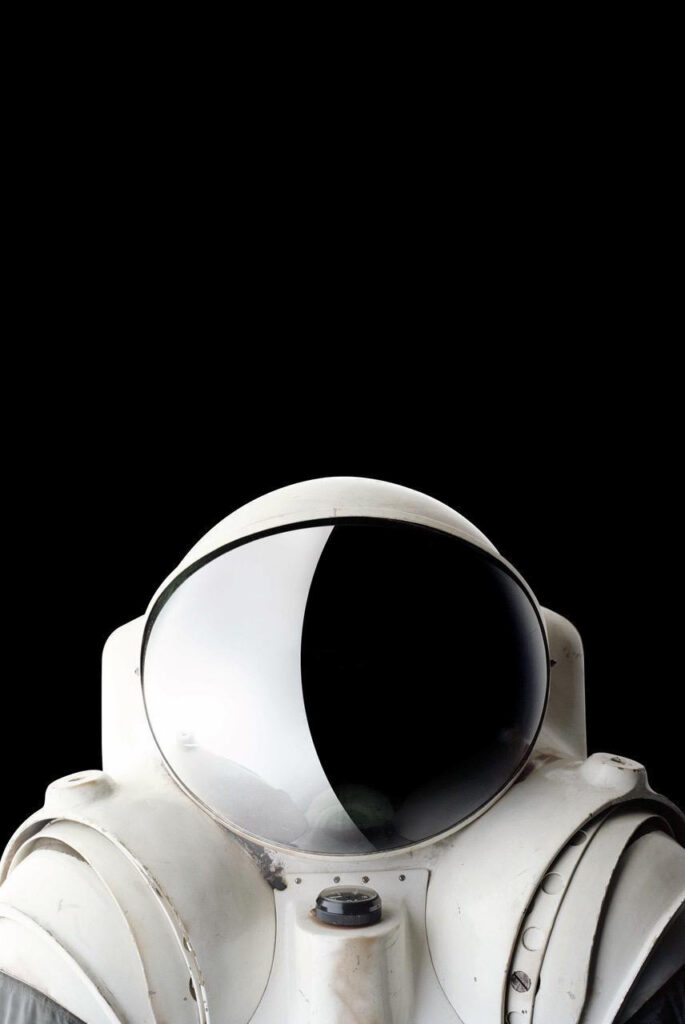
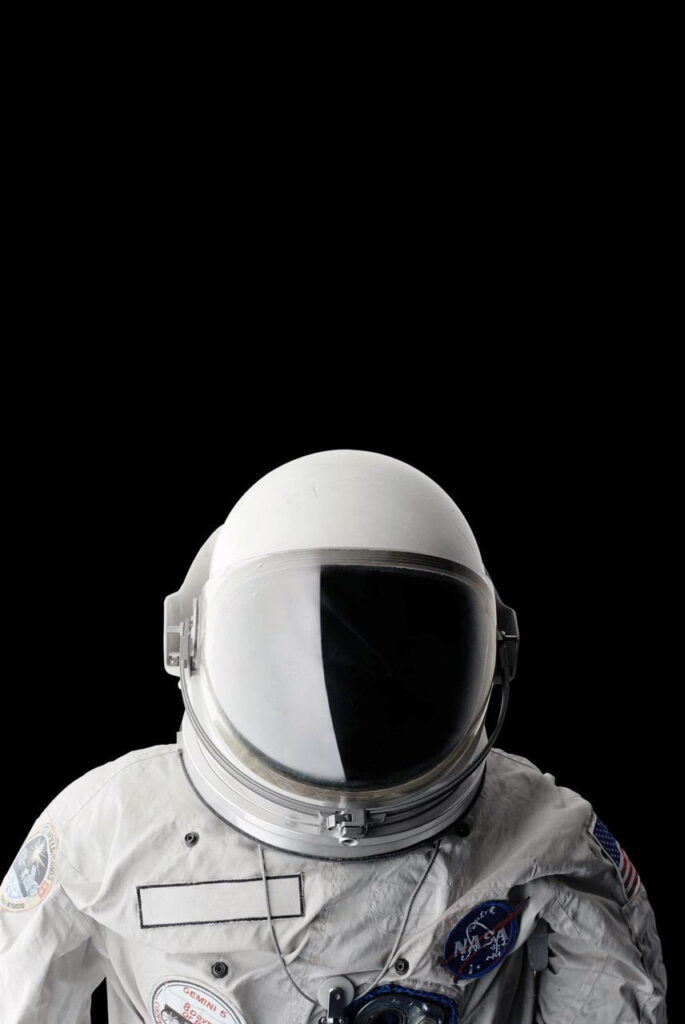
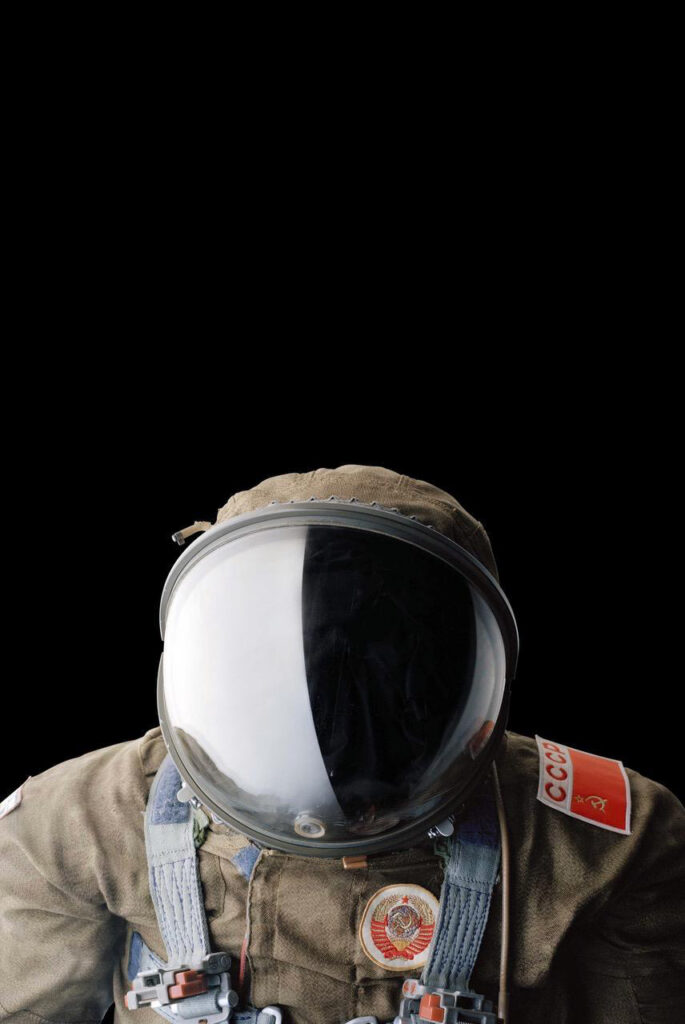
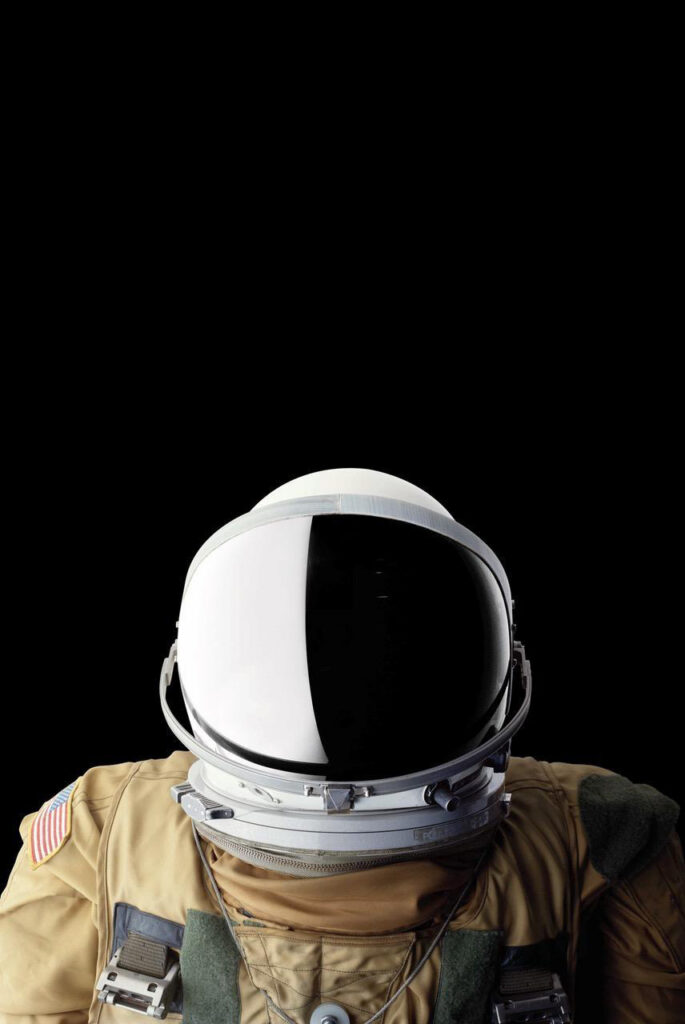
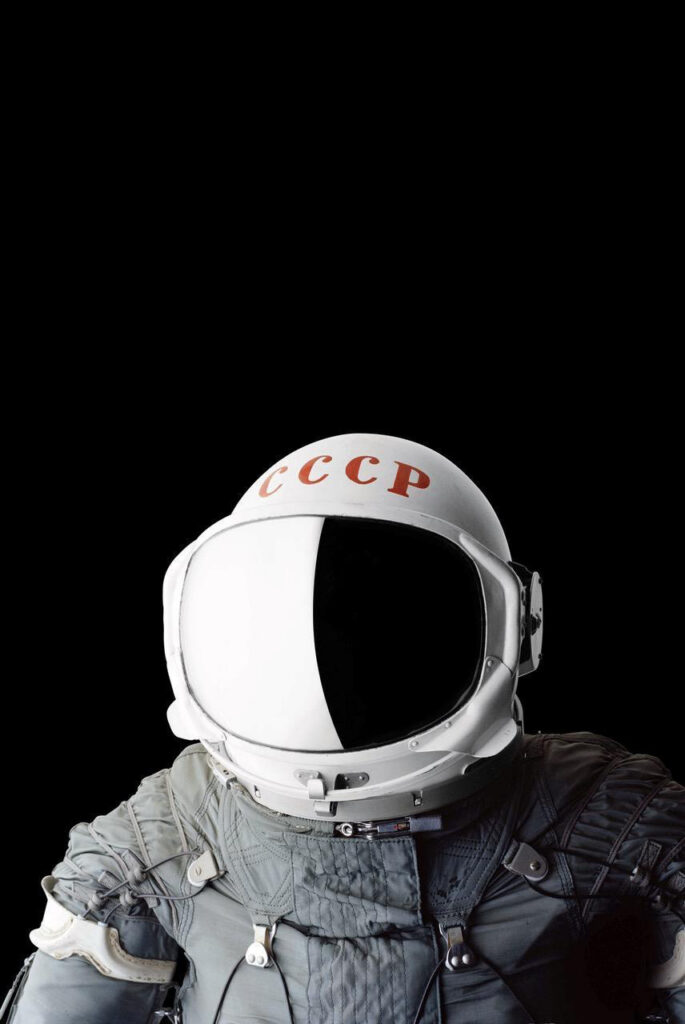
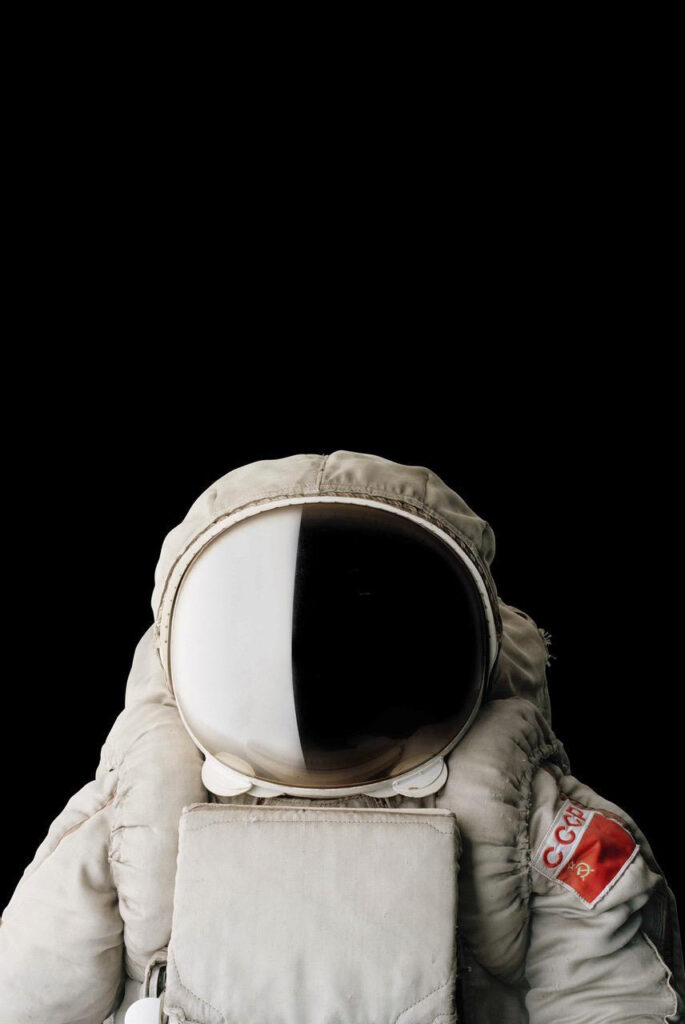
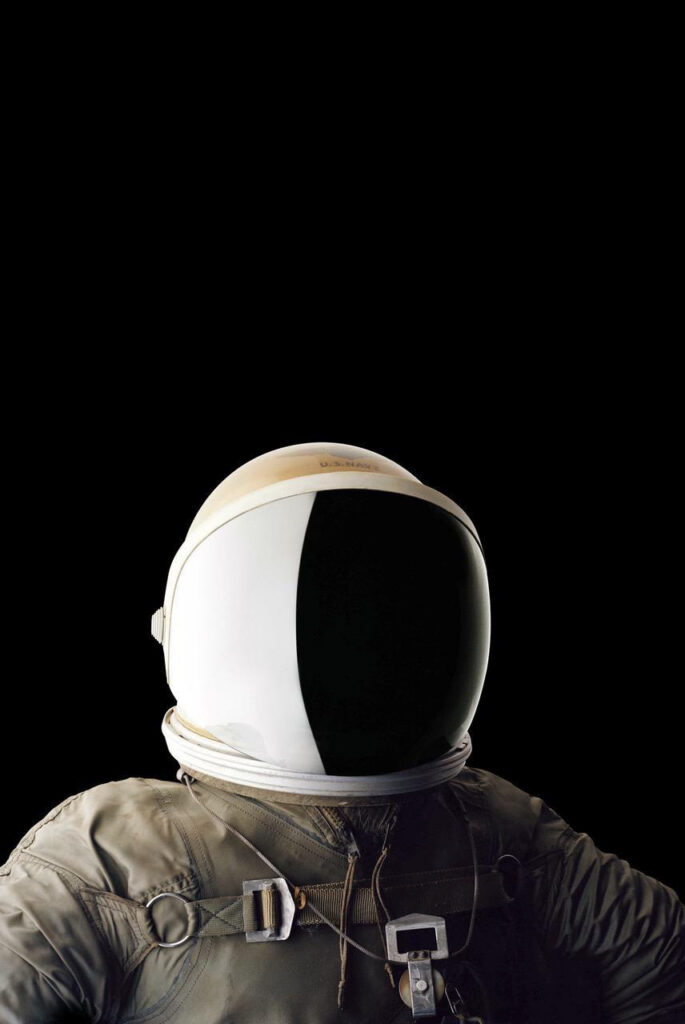
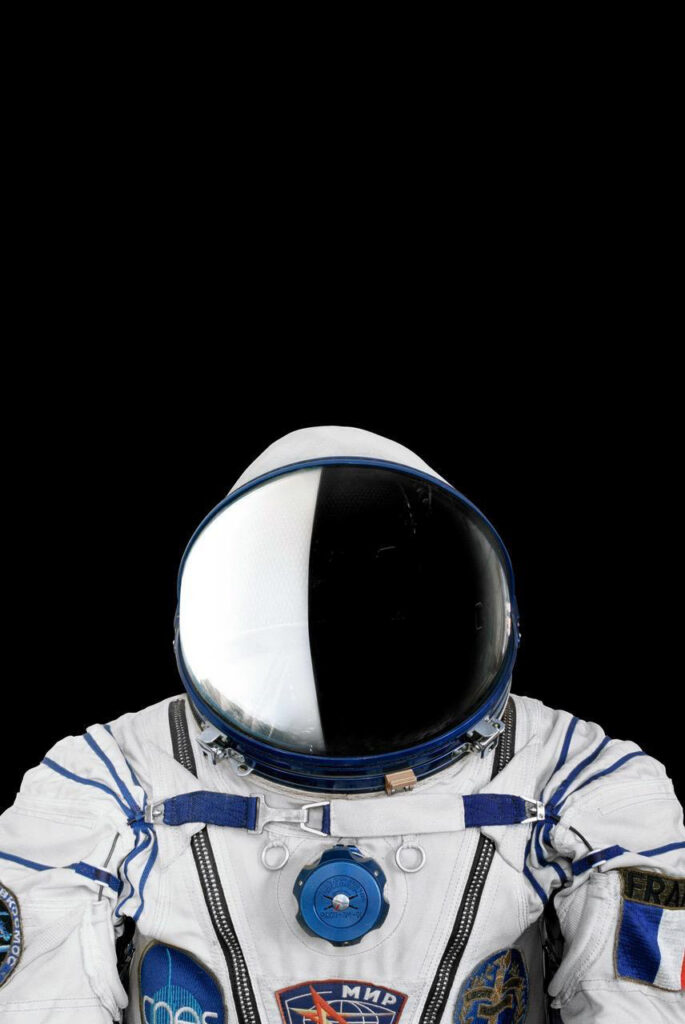
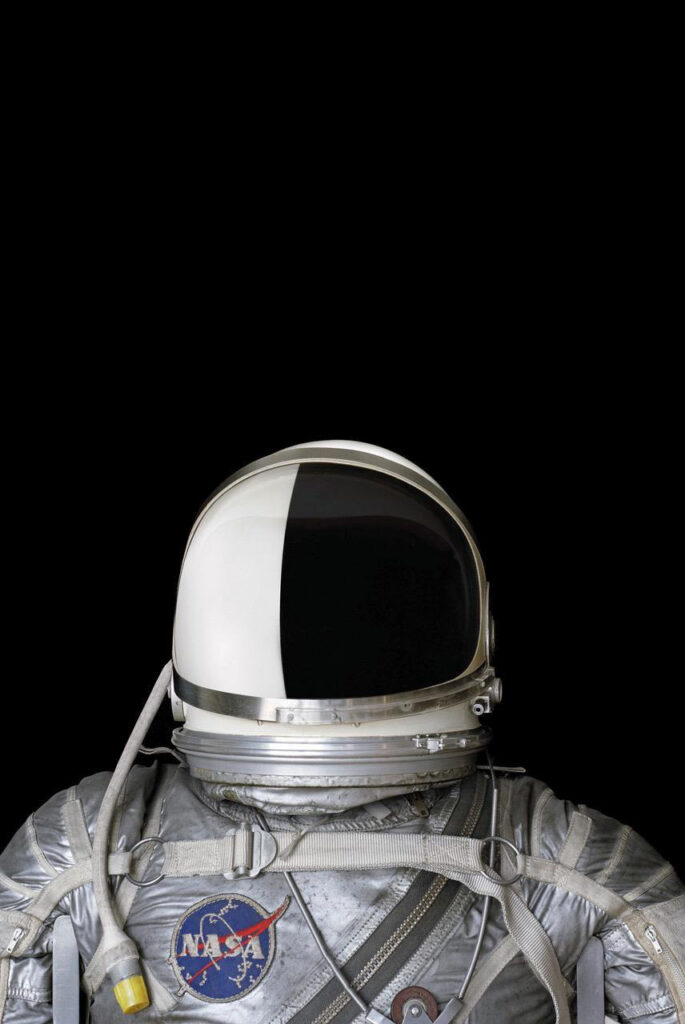
In his Disportraits series (2008–2009), Schaller photographed authentic American and Russian spacesuits from a private collection, presenting the empty garments against black backgrounds. By digitally incorporating reflections of the moon into the helmet visors, he creates the impression of movement while concealing the absence of a wearer. The series extends his investigation of portraiture into an examination of isolation and human connection, using the spacesuit as a metaphor for the individual and the relationship between humanity and the surrounding world.
Michael Dweck
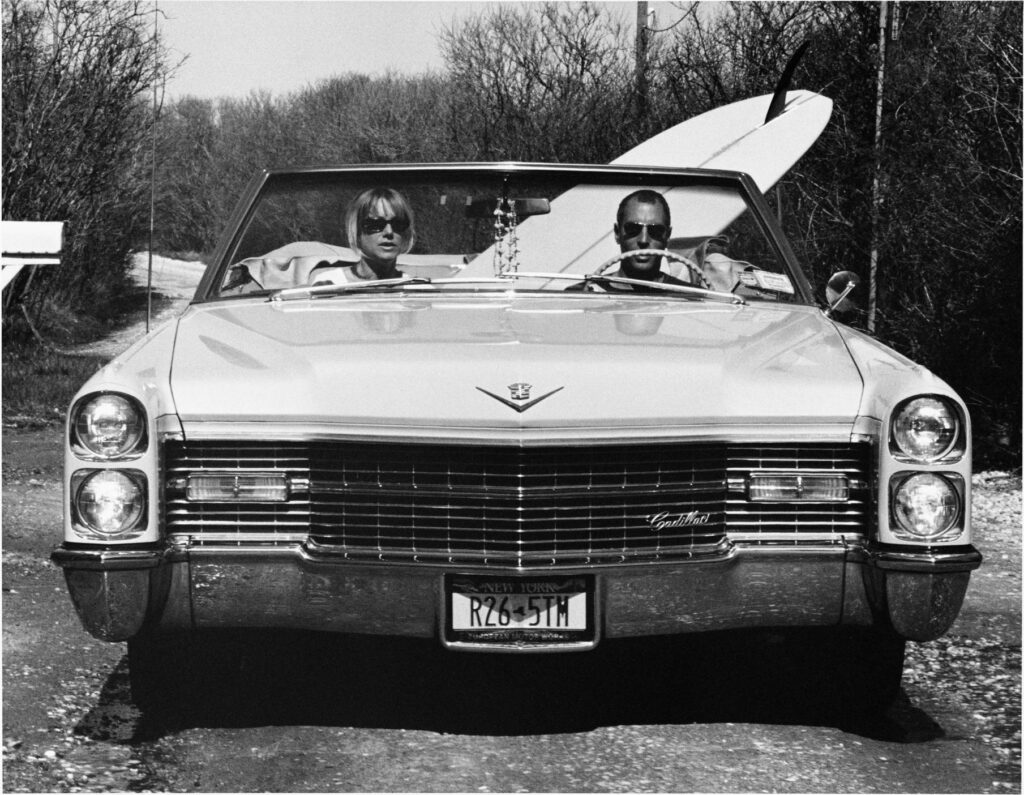
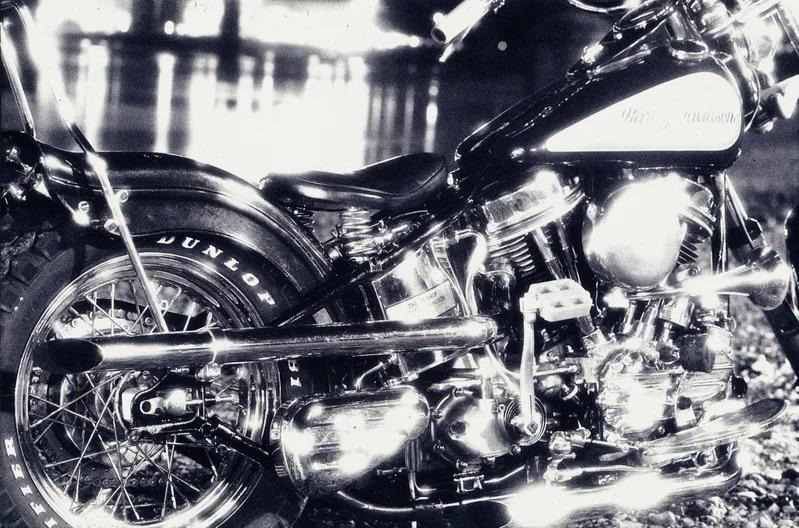
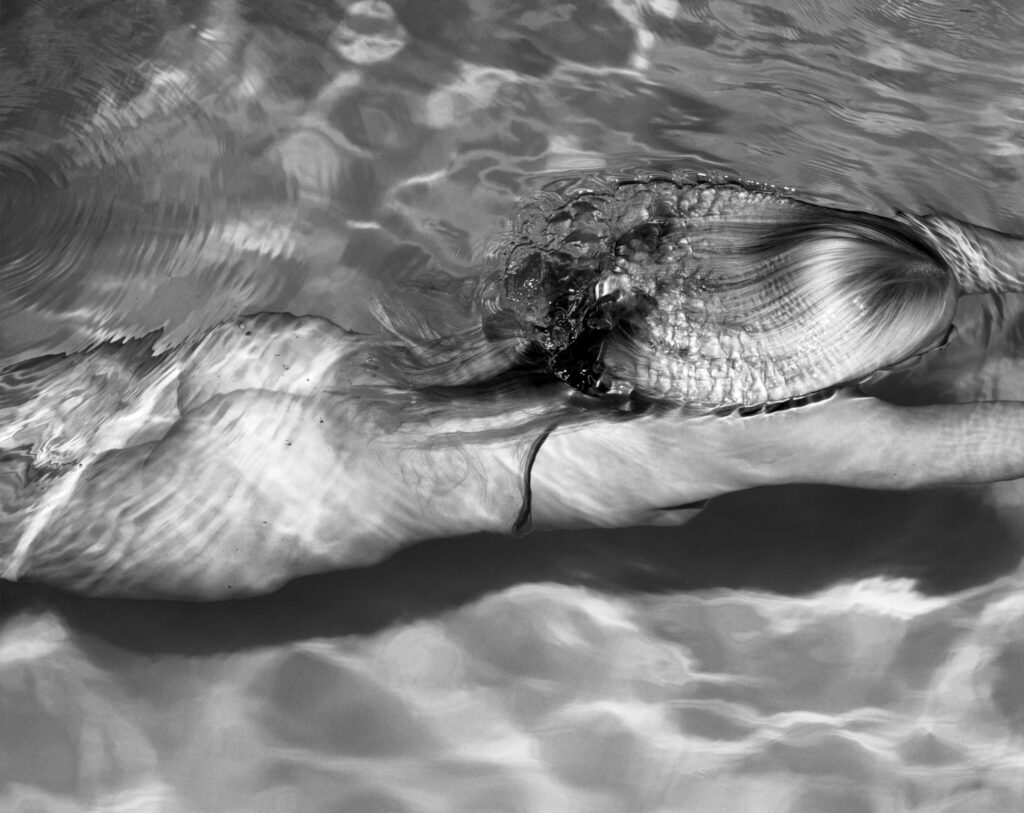
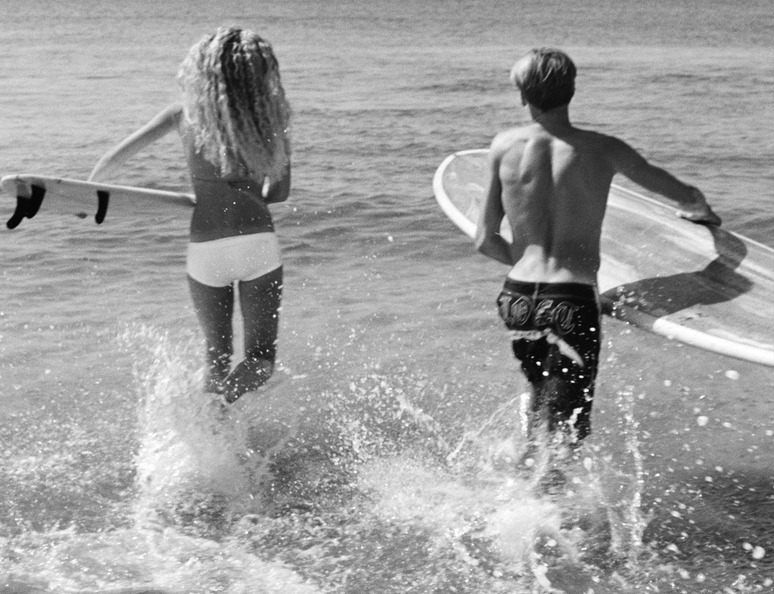
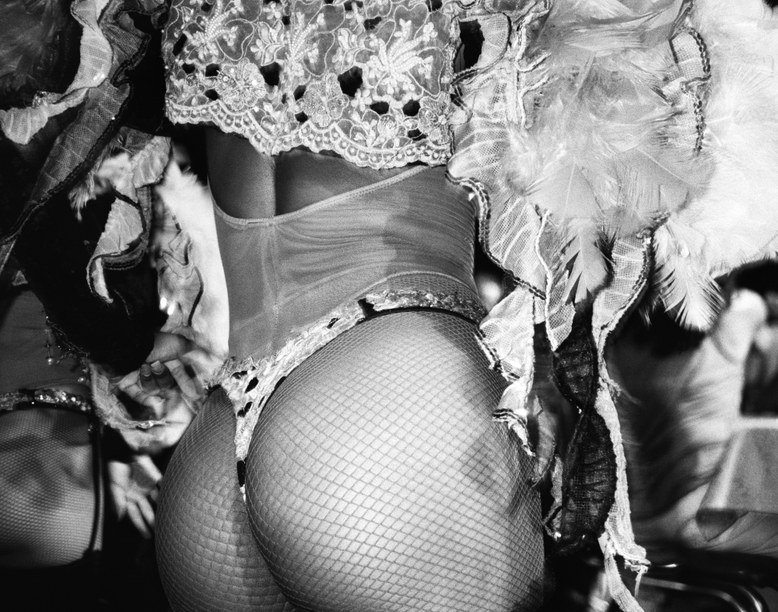
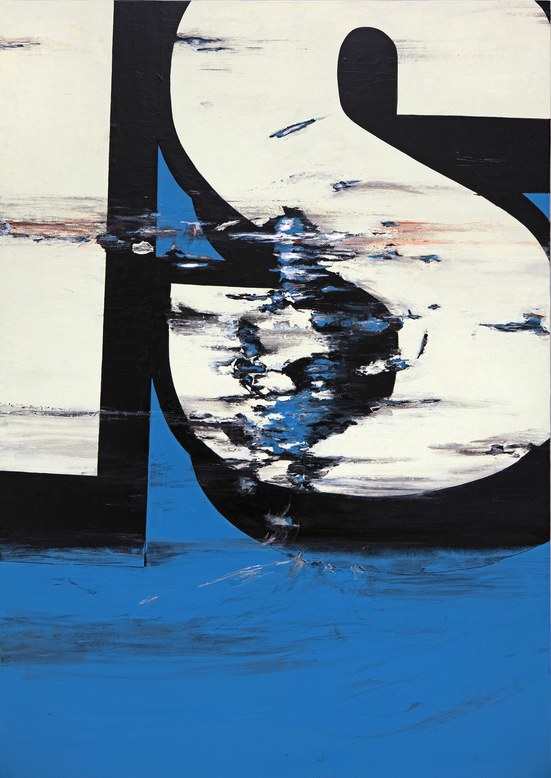
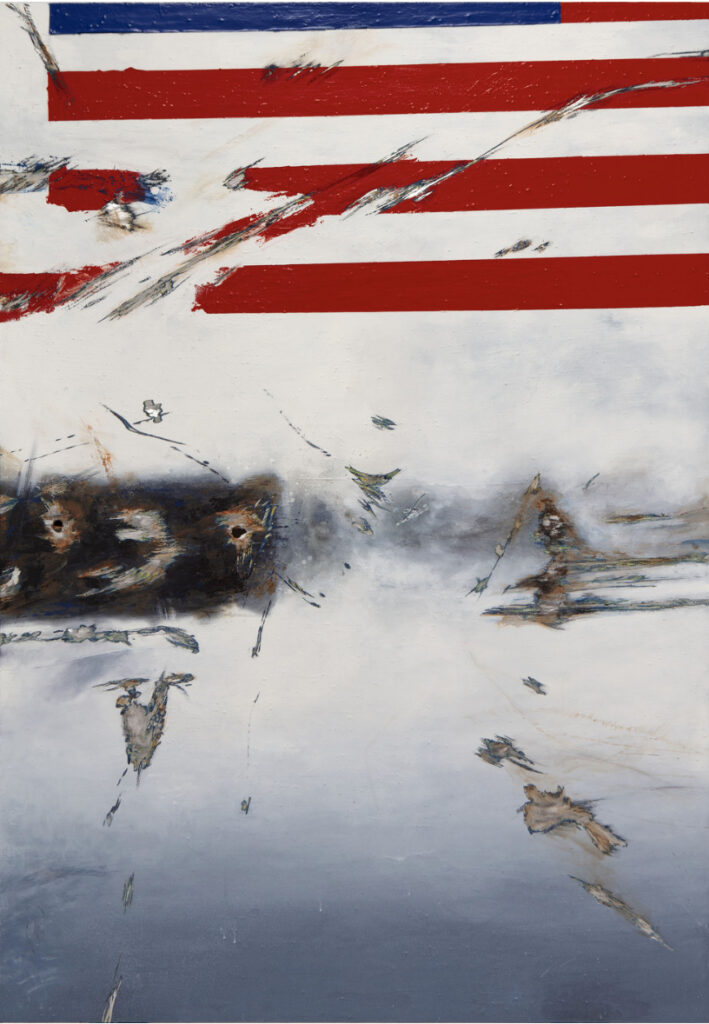
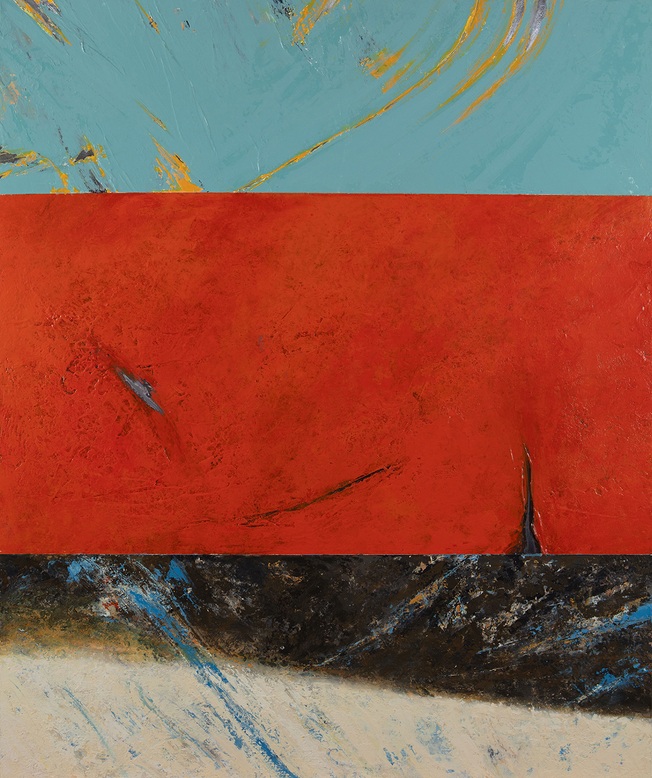
Michael Dweck is an American visual artist and filmmaker whose work examines identity, adaptation, and the experiences of communities and subcultures confronting change. Working across photography, painting, sculpture, and film, Dweck is known for his narrative approach to documenting distinctive social worlds, as seen in his celebrated series The End: Montauk, N.Y., Mermaids, and Habana Libre.
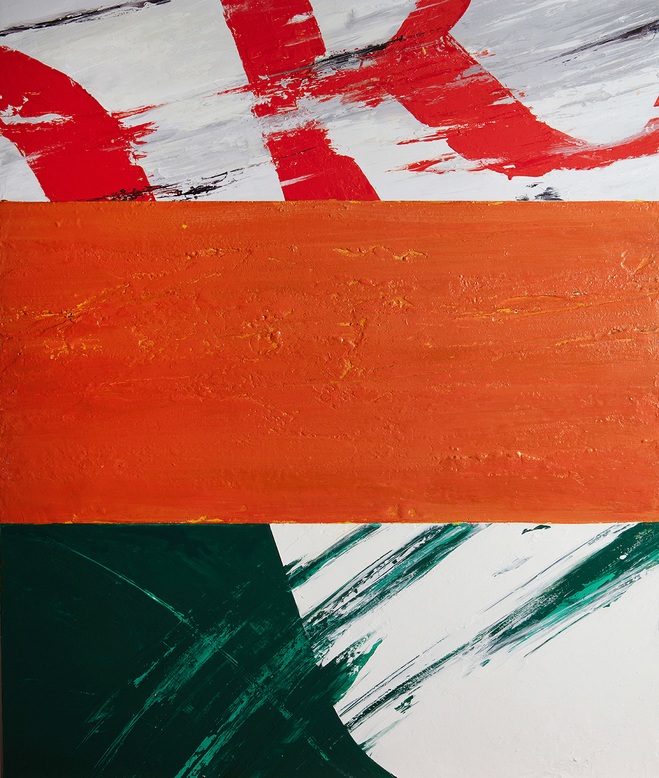
His Blunderbust paintings represent an evolution of his photographic practice, translating a decade-long exploration of American stock-car racing into large-scale abstraction. Inspired by the racing culture of Long Island's Riverhead Raceway, the series examines the relationship between movement, destruction, and the passage of time, drawing on the scarred surfaces of race cars as both visual references and material inspiration.
Working on aluminum panels, Dweck employs automotive paints, aerosol sprays, and an unconventional range of tools and materials associated with the racetrack. Layers of paint are applied, scraped away, and reworked using power tools, metal fragments, and other industrial materials, creating complex surfaces that evoke the scratches, dents, and accumulated damage of vehicles subjected to repeated collisions. The process is both additive and subtractive, with each intervention revealing or obscuring elements of what came before.
In Blunderbust, the physical impact of racing is translated into abstraction, where the apparent violence of the painted surface becomes an expression of vitality. The works reflect on a fading American subculture, not as an object of nostalgia, but as a subject of defiant celebration.
Nick Knight
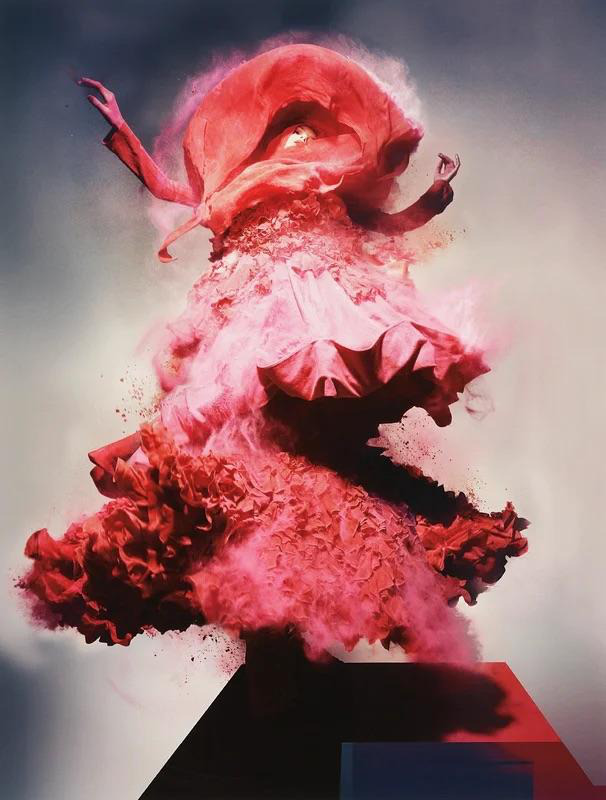
Nick Knight (b. 1958) is a British photographer whose experimental approach has played a significant role in the evolution of contemporary fashion photography. Following the publication of his first book, Skinheads (1982), Knight gained international recognition through his collaborations with leading fashion designers, including Yohji Yamamoto, John Galliano, and Alexander McQueen. His work challenges conventional representations of beauty and the human body, drawing upon advances in photographic technology to explore new methods of image production. Through his editorial work and independent artistic practice, Knight has consistently questioned the boundaries between fashion photography and fine art.
In 2000, Knight founded SHOWstudio, an influential digital platform that transformed the presentation of fashion through film and online broadcasting, offering unprecedented access to the creative process. His practice encompasses photography, moving image, and experimental printing techniques, with a particular emphasis on the possibilities of digital manipulation. His work has been exhibited at major international institutions, including the Victoria and Albert Museum and Tate Modern, reflecting his contribution to the development of photography and its relationship with contemporary fashion and culture.
Patrick Demarchelier
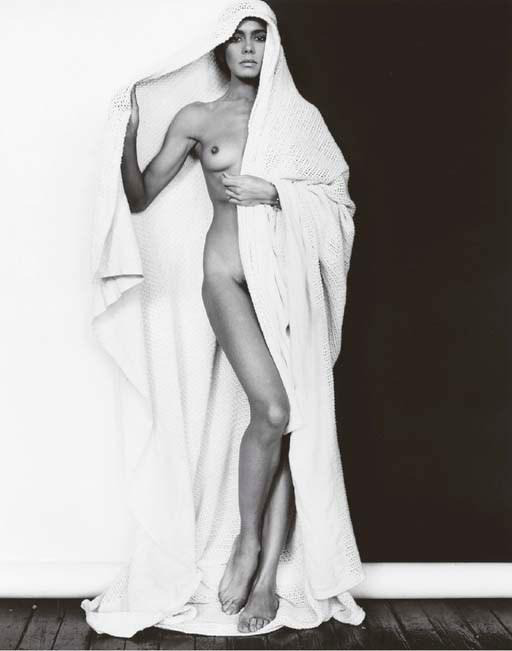
Patrick Demarchelier (1943–2022) was a French photographer whose work helped define fashion photography during the late twentieth century. After moving to New York in 1975, he established a distinguished career with publications including Vogue, Harper's Bazaar, and Vanity Fair, while producing major advertising campaigns for fashion houses such as Dior, Chanel, and Louis Vuitton. Renowned for his portraits of leading models and cultural figures, including Diana, Princess of Wales, Demarchelier developed an approach that emphasized natural expression and spontaneity, departing from the more elaborate staging associated with traditional fashion photography.
Beyond his editorial and commercial commissions, Demarchelier pursued an extensive practice in portraiture and studies of the nude, demonstrating a sustained interest in the human figure. His photographs are distinguished by their considered use of light and an ability to convey the individuality of his subjects. In 2008, his work was the subject of a major retrospective at the Petit Palais in Paris, reflecting his contribution to the history of fashion photography and its recognition within the wider field of photographic art.
Robert Mapplethorpe
Robert Mapplethorpe (1946–1989) was an American photographer whose work challenged conventional representations of beauty, sexuality, and the human form. After studying painting and sculpture at the Pratt Institute in Brooklyn, Mapplethorpe began experimenting with photography in the early 1970s, initially using a Polaroid camera before adopting the Hasselblad. His early photographs documented the artists and musicians of downtown New York, alongside members of the city's underground gay and S&M communities. Throughout his career, Mapplethorpe brought a rigorous attention to composition and lighting to subjects that frequently challenged prevailing social conventions.
Drawing upon the traditions of classical sculpture, Mapplethorpe developed an approach distinguished by his pursuit of formal perfection. His portraits, nudes, and floral still lifes reflect a sustained investigation of the relationship between beauty and the body. During the 1980s, his celebrated collaboration with bodybuilder Lisa Lyon further explored the representation of physical strength and gender. His work remains central to the history of contemporary photography, both for its formal achievements and its enduring influence on debates surrounding artistic expression and censorship.
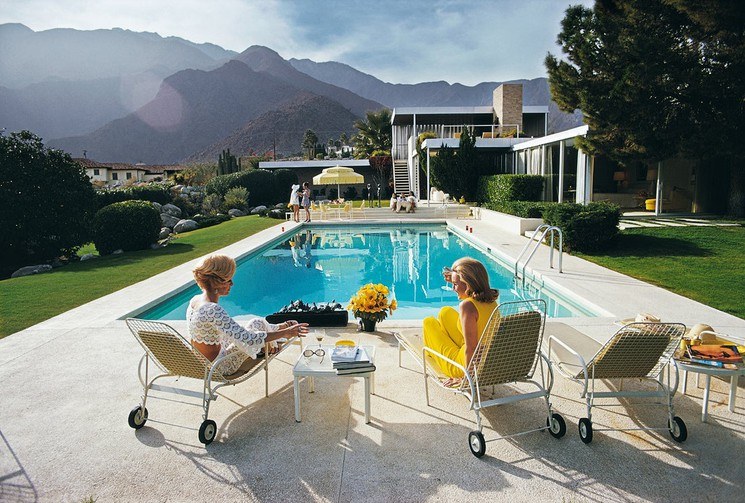
Slim Aarons
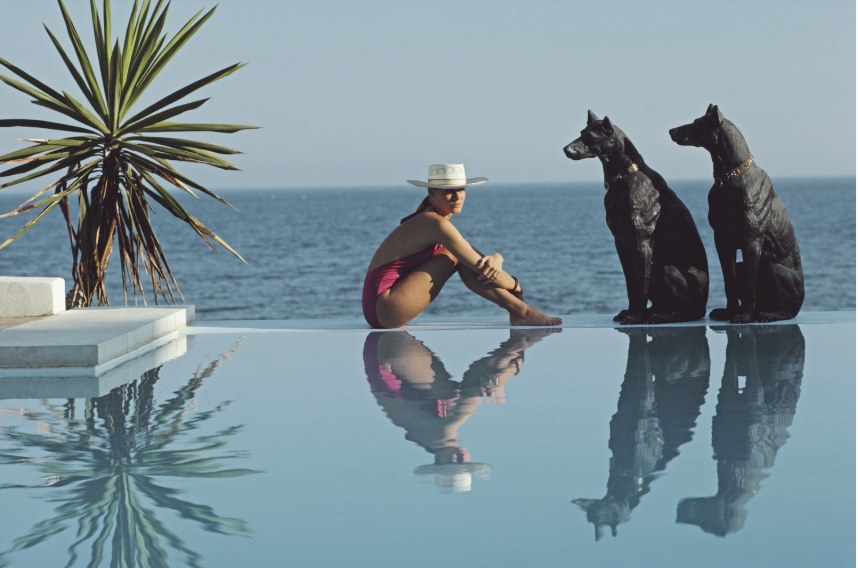
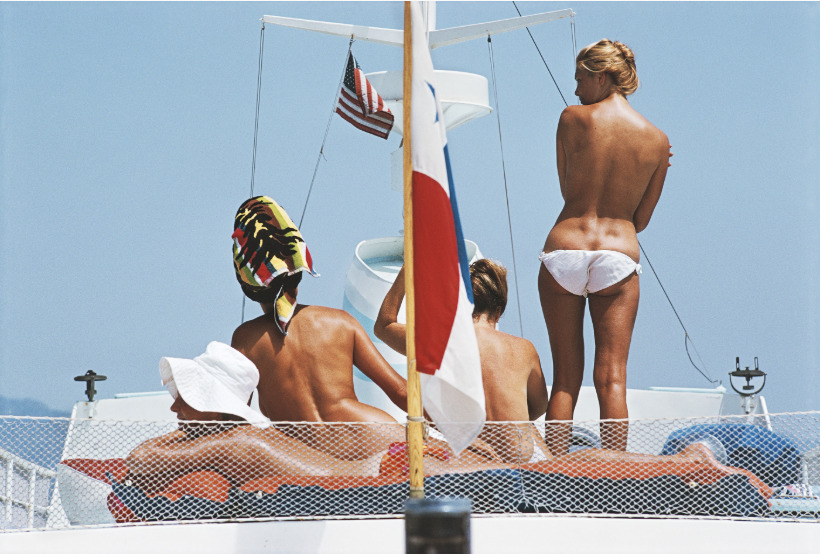
Slim Aarons (1916–2006) was an American photographer celebrated for his documentation of high society and the international leisure class during the second half of the twentieth century. Beginning his career as a combat photographer during World War II, Aarons subsequently turned his attention to the lives of prominent social figures, photographing aristocrats, celebrities, and influential families in their private residences and holiday destinations. His work appeared in publications including Life, Holiday, and Town & Country, establishing him as a leading chronicler of postwar wealth and leisure.
Granted remarkable access to the private worlds of his subjects, Aarons photographed some of the most exclusive destinations of the era, from Palm Springs and the French Riviera to the Italian coast. His photographs offer an important record of postwar social history, capturing the architecture, fashion, and customs of an international elite. Eschewing elaborate staging in favor of photographing his subjects in their own environments, Aarons developed a distinctive approach that continues to influence photography and contemporary representations of luxury.
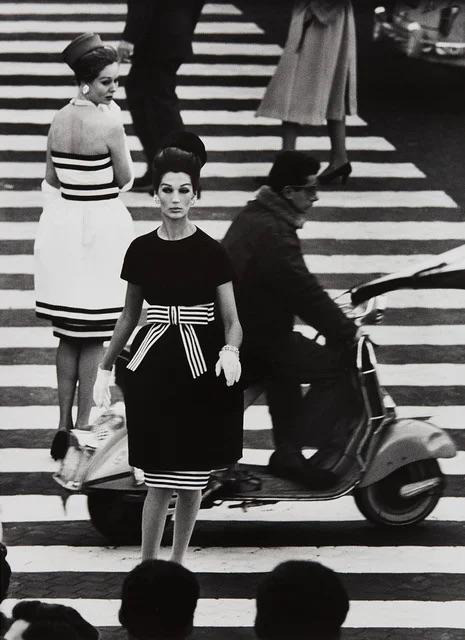
William Klein
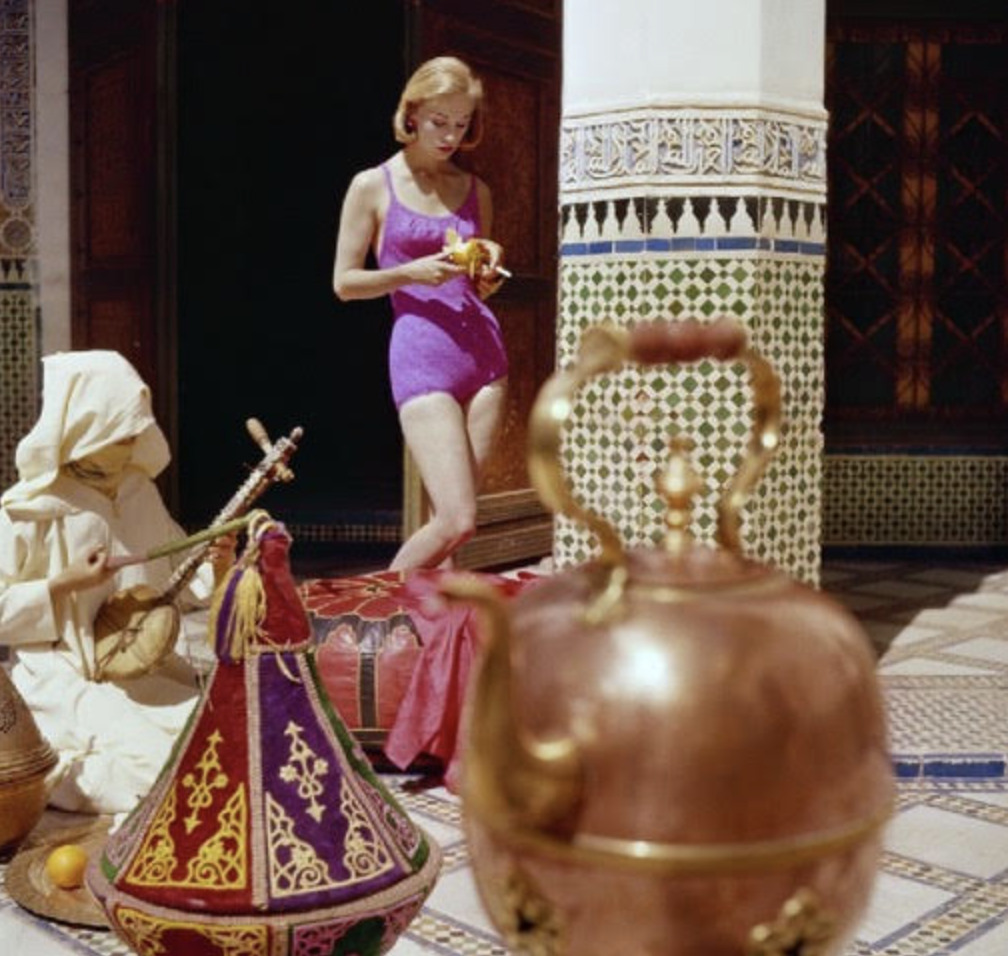
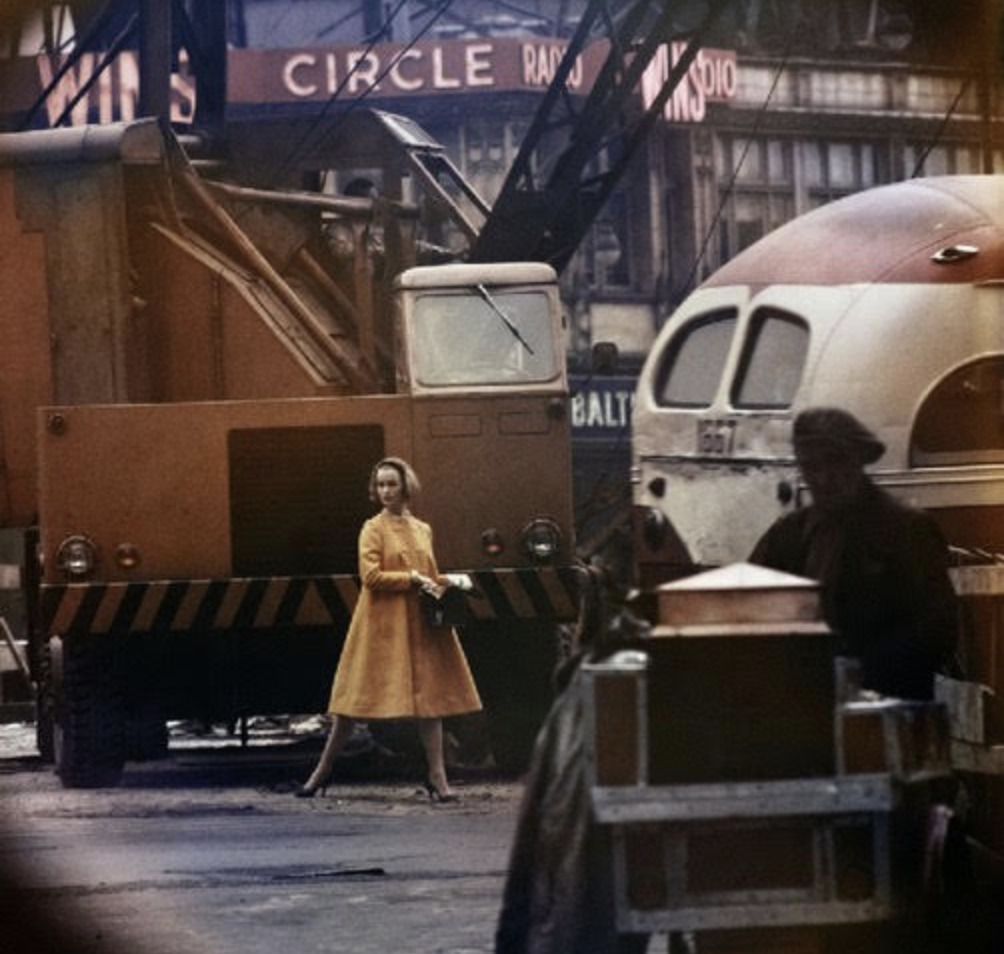
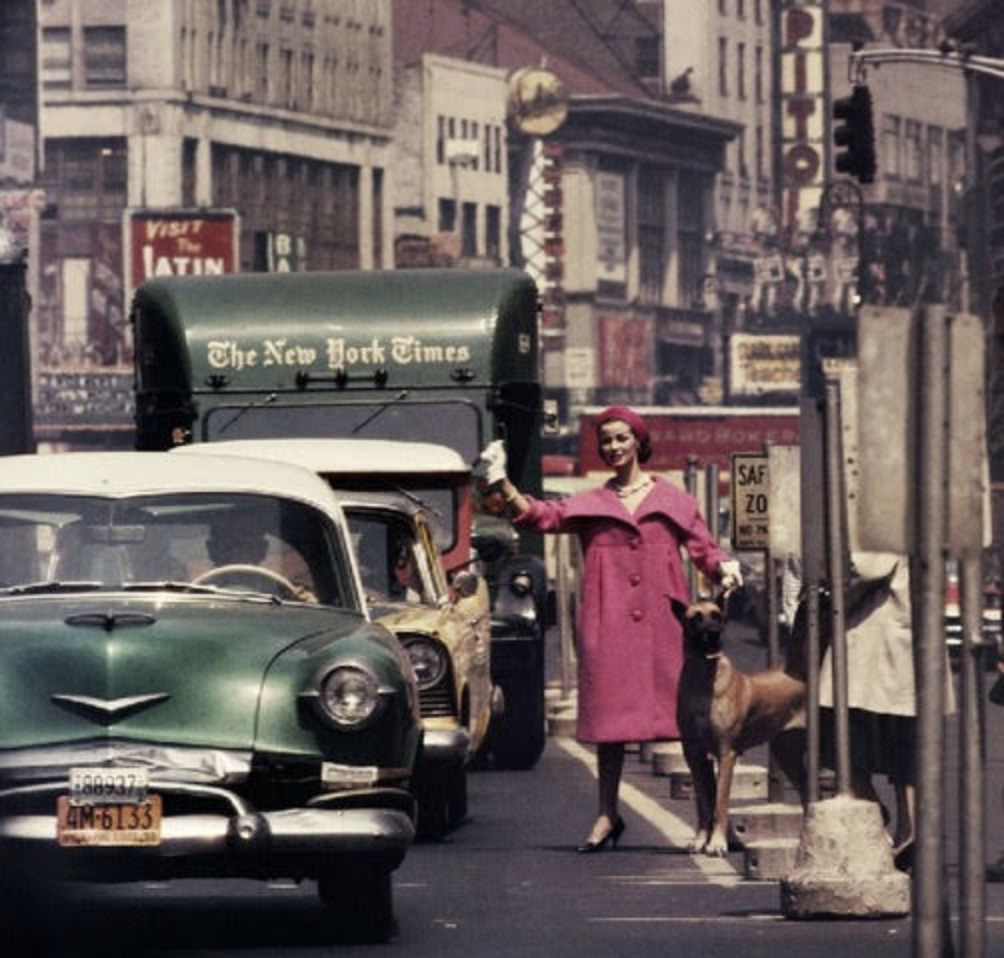
William Klein (1926–2022) was an American-born photographer, painter, and filmmaker whose experimental approach transformed the conventions of fashion and street photography. After moving to Paris in 1948, Klein studied painting under Fernand Léger before turning his attention to photography. His groundbreaking photobook Life Is Good & Good for You in New York (1956) challenged established photographic traditions through its use of grain, blur, high contrast, and unconventional framing. The publication earned Klein the prestigious Prix Nadar and was followed by influential studies of Rome, Moscow, and Tokyo, establishing his position as a leading figure in postwar photography.
Beginning his association with Vogue in the mid-1950s, Klein brought the spontaneity of street photography into the world of fashion, rejecting traditional studio conventions in favor of photographing models in public spaces. His innovative use of wide-angle lenses and unconventional compositions challenged prevailing standards of fashion imagery. Throughout his career, Klein continued to work across photography, painting, and film, demonstrating a sustained commitment to experimentation that would influence subsequent generations of photographers.
Visitor Information
Art Miami Pavilion
One Herald Plaza
NE 14th Street & Biscayne Bay
Miami, FL 33132
Booth AM412
11 AM–1 PM — Platinum VIP Preview (by invitation)
1–4 PM — VIP Preview
Tuesday, December 1 · 4–8 PM
Wednesday, December 2 – Saturday, December 5 · 11 AM–7 PM
Sunday, December 6 · 11 AM–6 PM