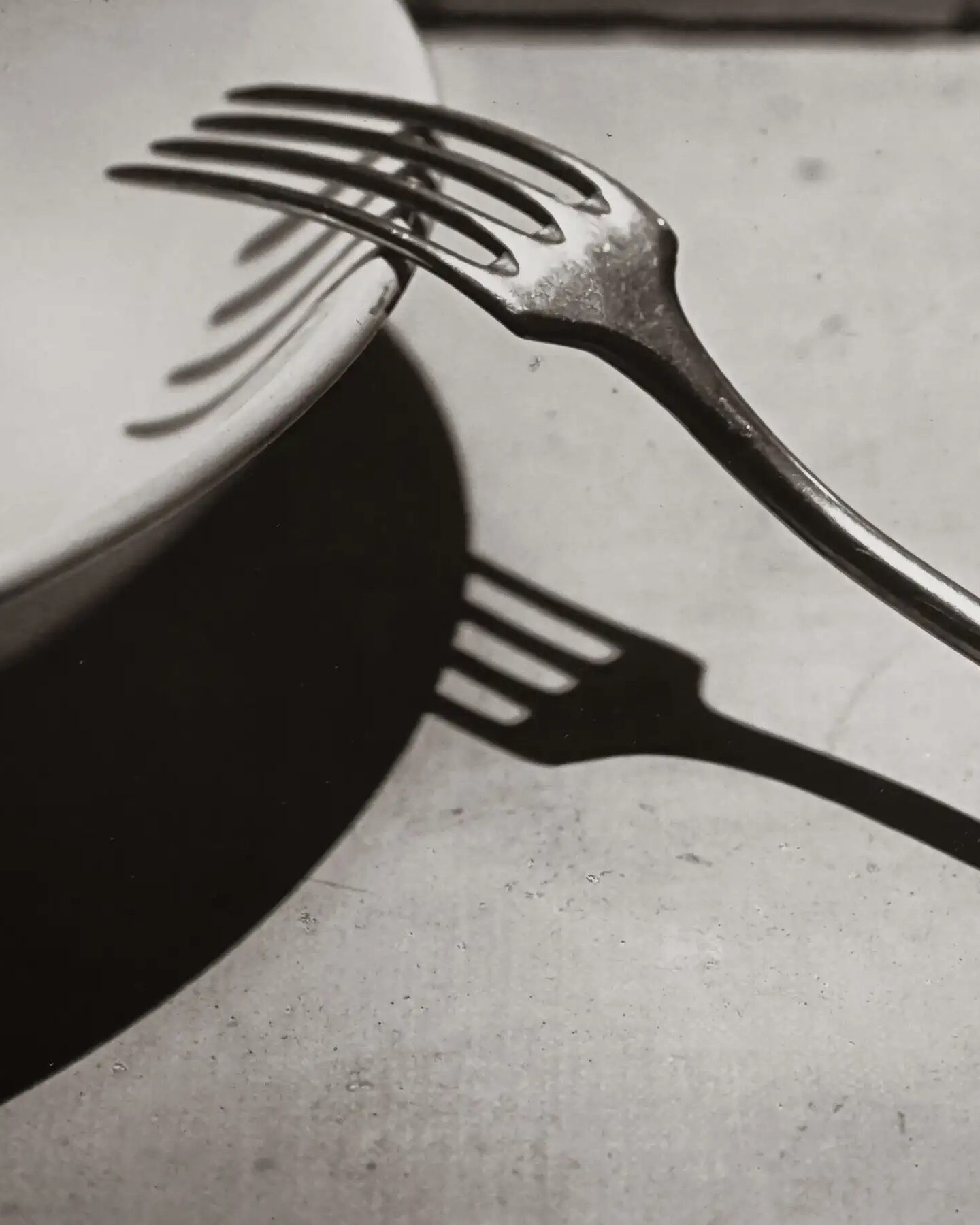
André Kertész
André Kertész (1894–1985, born Budapest, Hungary) was a photographer whose work helped shape the course of modern photography through a sustained attention to observation and form. Largely self-taught, he began photographing in Hungary before relocating to Paris in 1925, where he became associated with the artistic circles of the interwar avant-garde.
During this period, he produced some of his most influential images, marked by an intimate approach to everyday subjects and a precise sense of composition. In 1936, Kertész moved to New York, where he continued to develop his practice across editorial and personal work. His early years in the United States were marked by limited recognition, though his contribution was later widely acknowledged. His work is characterized by clarity and restraint, often transforming ordinary scenes through framing and structure.
Kertész’s photographs have been exhibited internationally and are held in major museum collections, including the Metropolitan Museum of Art, the Museum of Modern Art, and the Centre Pompidou. His legacy continues to inform subsequent generations of photographers, particularly in the fields of street photography and visual storytelling.