
Hiroshi Sugimoto
Hiroshi Sugimoto (born 1948, Tokyo, Japan) is a photographer and artist whose meditative, formally austere practice has consistently explored the boundaries of time, perception, and historical memory through images of exceptional technical refinement and philosophical depth. Moving to Los Angeles in the early 1970s to study photography and subsequently settling in New York, Sugimoto developed a practice built around long-exposure photography, conceptual series, and a sustained engagement with the question of what photography can and cannot make visible.
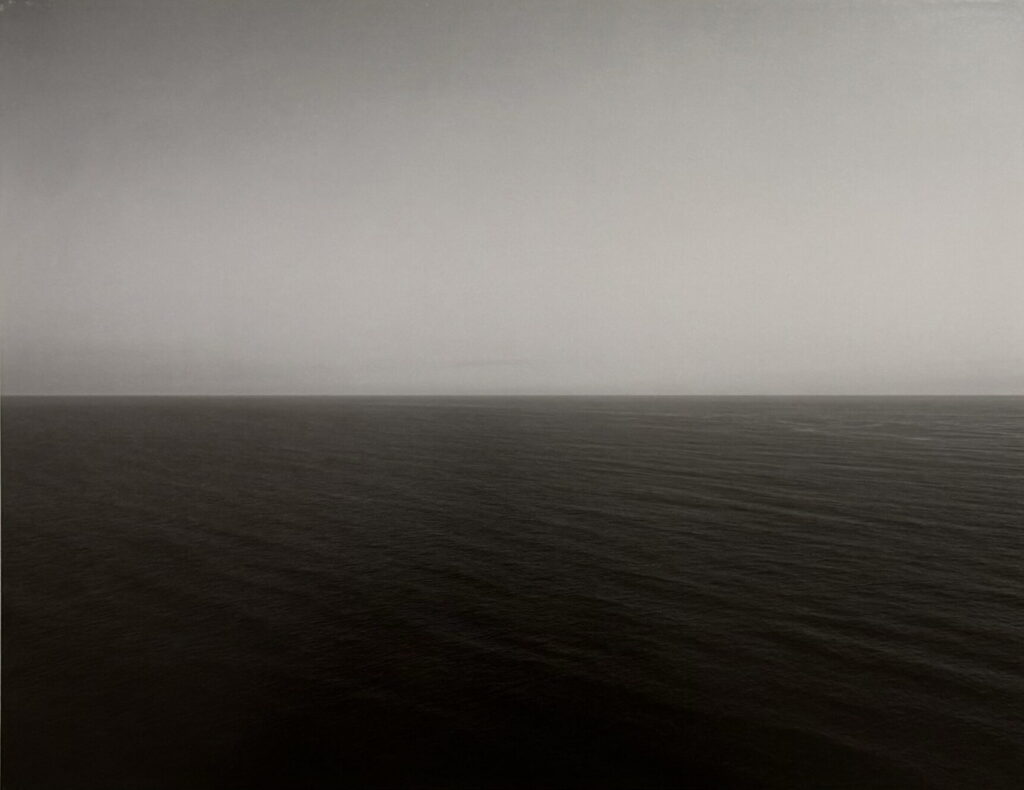
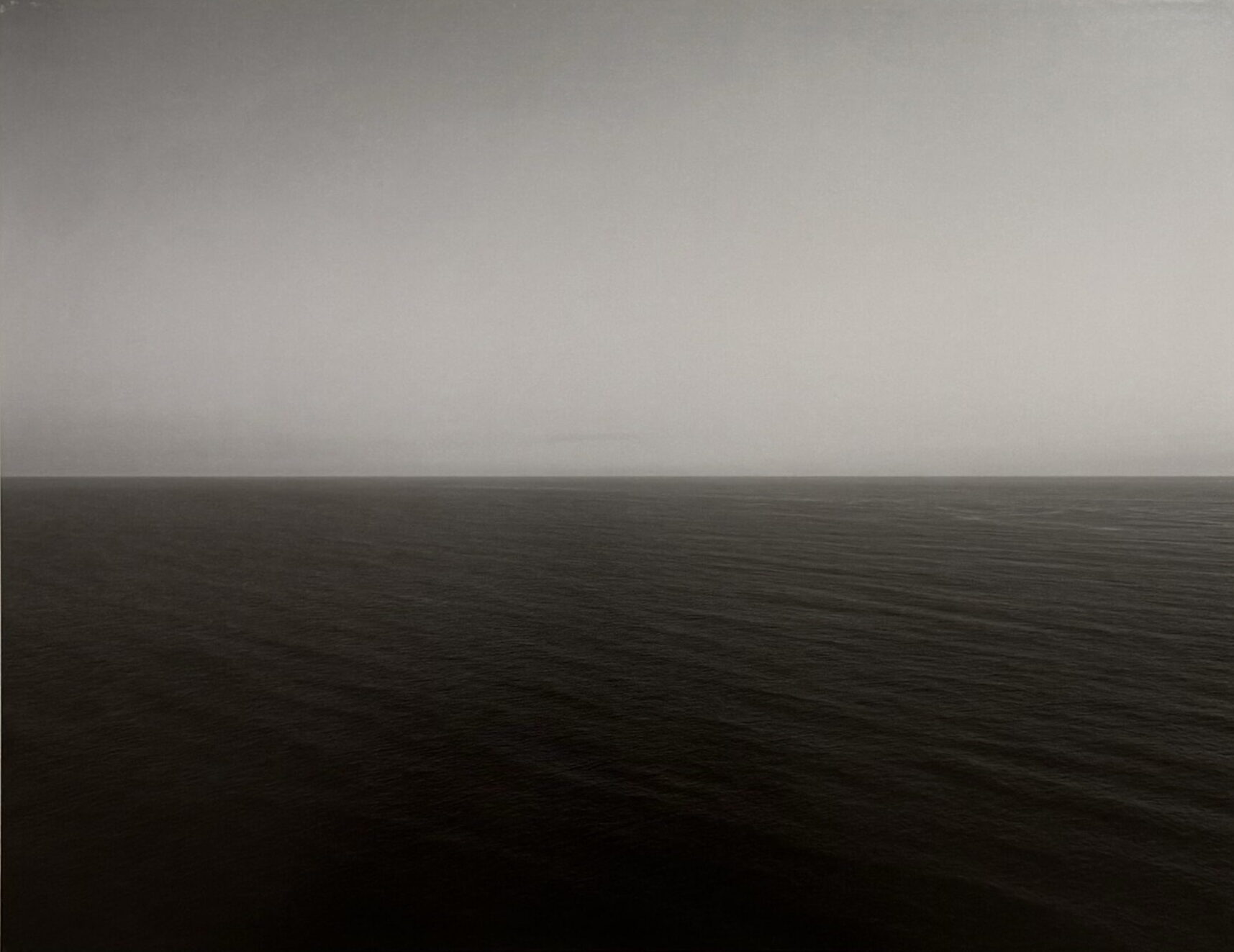
His most celebrated bodies of work include his Seascapes, long-exposure photographs of the ocean taken from locations around the world in which water and sky merge into a single field of tonal gradation, his Theaters series, in which entire films are condensed into a single exposure that reduces the screen to a luminous white rectangle within an elaborately detailed cinema interior, and his Dioramas series, in which museum natural history displays are photographed so convincingly that they appear to document living animals in real landscapes. Each series investigates time as both subject and medium, producing images that seem to compress or dissolve the boundary between the present and the ancient past.
His work is held in the permanent collections of the Museum of Modern Art, New York, the Metropolitan Museum of Art, the Guggenheim Museum, and the Centre Georges Pompidou, Paris, among many others.