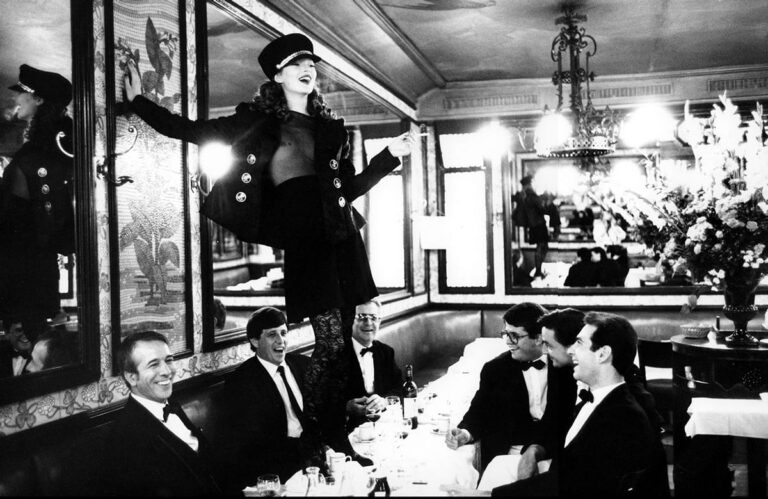
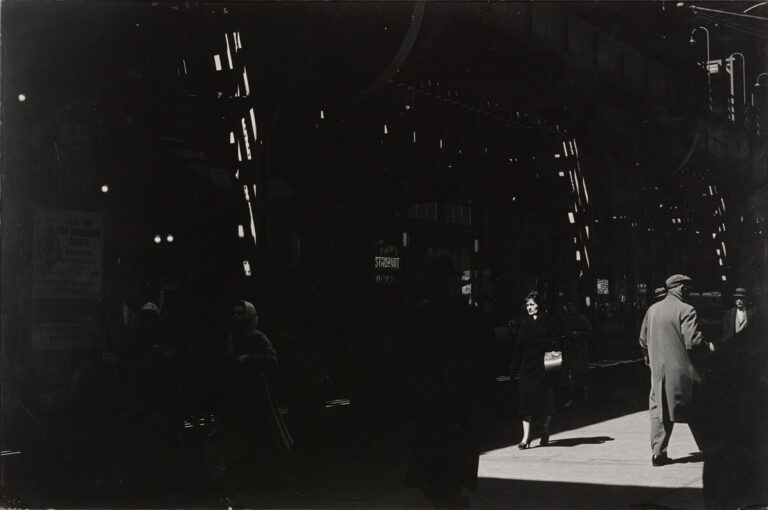
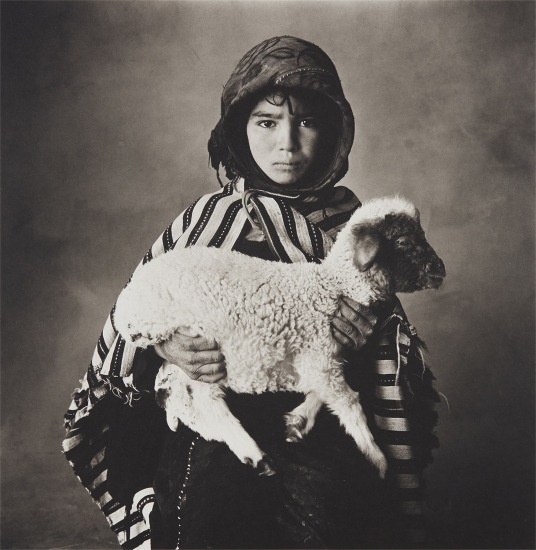
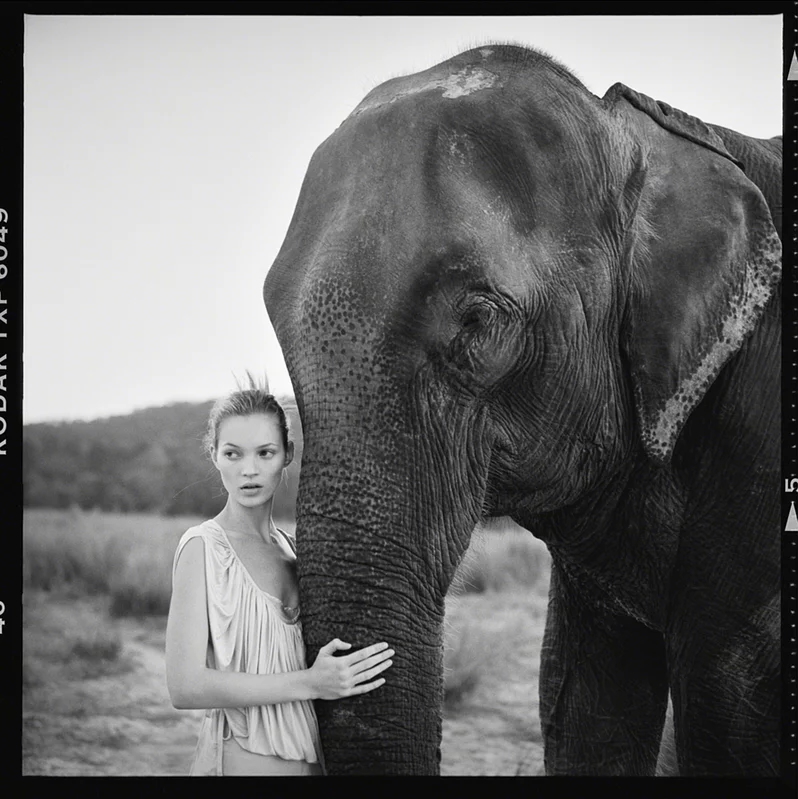
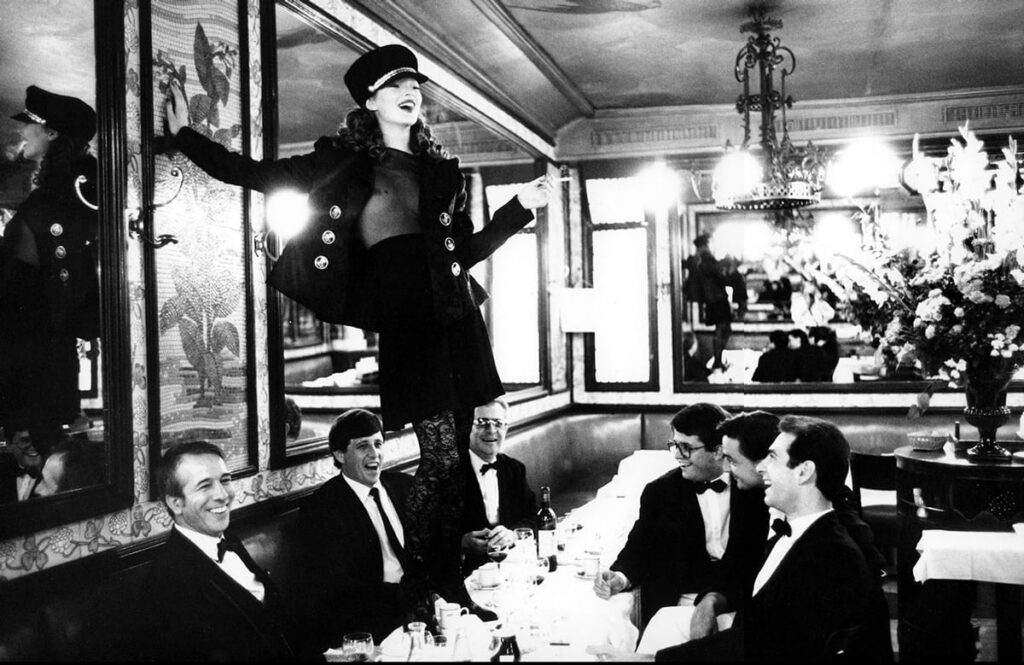
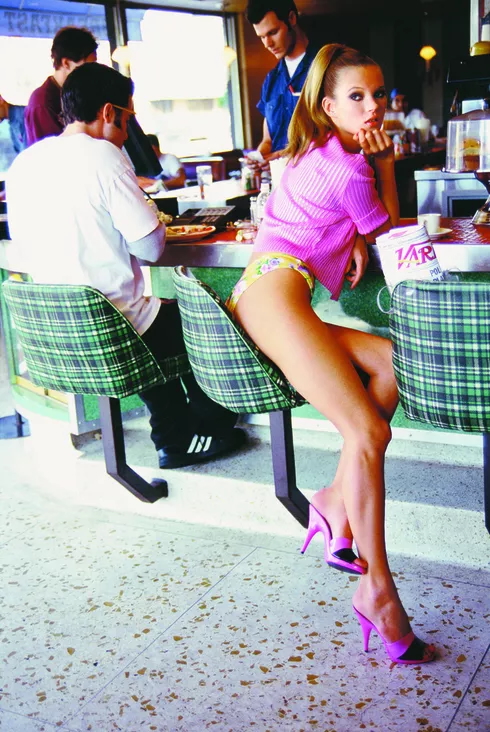
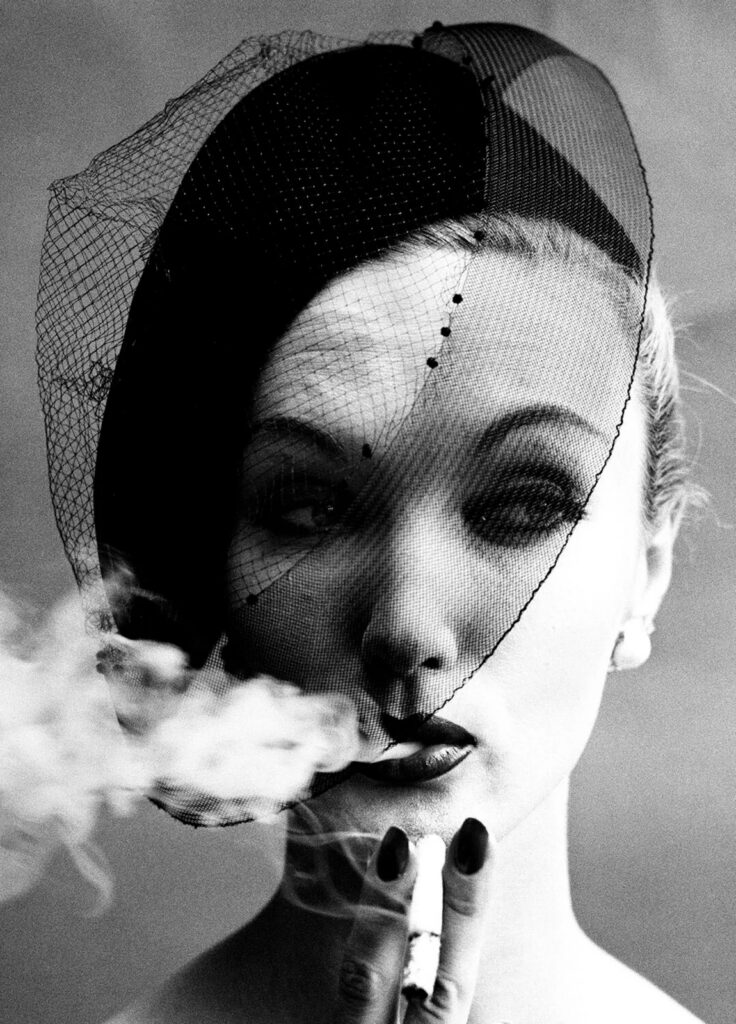
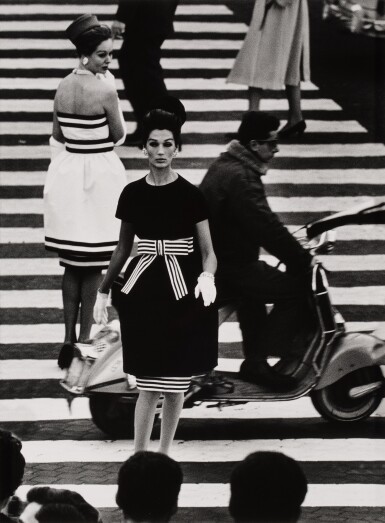
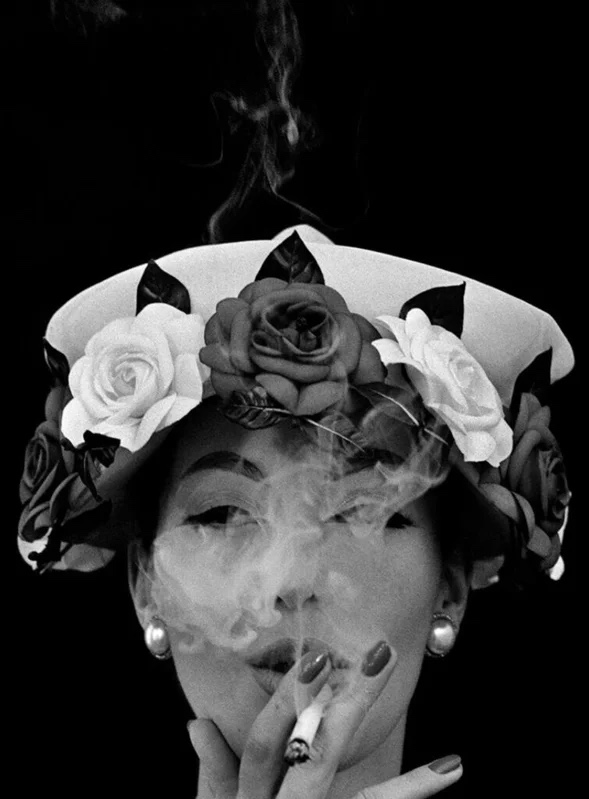
William Klein and Arthur Elgort stand among the most influential photographers of the twentieth century. Working a generation apart, each rejected the conventions that had long governed fashion photography, replacing the controlled environment of the studio with images shaped by movement, spontaneity, and the unpredictability of the world beyond it. When Klein began photographing for Vogue in the 1950s, fashion imagery remained largely defined by precision, control, and the carefully orchestrated pose. Trained as a painter and approaching photography with that sensibility, he introduced a radically new visual vocabulary built from blur, grain, unconventional framing, and the energy of the streets. In Klein's photographs, fashion became inseparable from the dynamism and unpredictability of modern life. A generation later, Elgort extended this transformation. Rejecting the formality that still persisted within the genre, he created photographs that appeared effortless, intimate, and unguarded, replacing the constructed image with one that felt immediate and lived. Whether photographed in Paris, New York, or Nepal, his subjects seem encountered rather than arranged, their elegance emerging from movement and atmosphere. Though distinct in temperament and approach, both photographers shared a belief in the expressive possibilities of the unrepeatable moment. Together, their work traces a profound shift in the history of photography, one that redefined fashion imagery by embracing spontaneity, immediacy, and the vitality of life beyond the studio.
Featured Artworks
Interested in a work from this exhibition?
Contact an Advisor