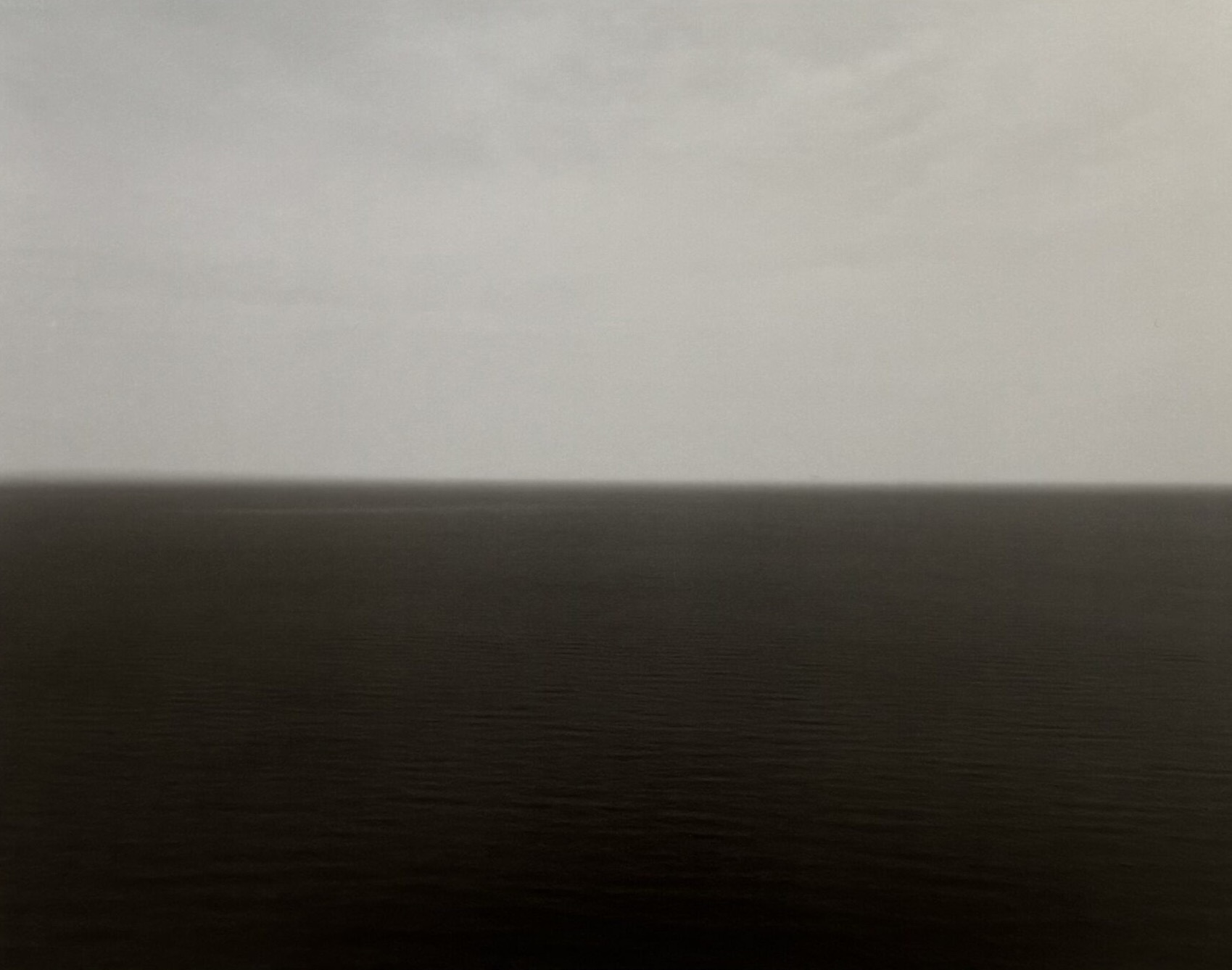
Irving Penn, Hell’s Angels, San Francisco, 1967. © The Irving Penn Foundation.

Irving Penn


Irving Penn (1917–2009, born Plainfield, New Jersey) was a photographer of exceptional range and formal precision whose work across fashion, portraiture, still life, and documentary photography produced one of the most distinguished bodies of work in the history of the medium. Educated at the Philadelphia Museum School of Industrial Art under Alexey Brodovitch, Penn joined Vogue in 1943, beginning an association with the magazine that would last over six decades.

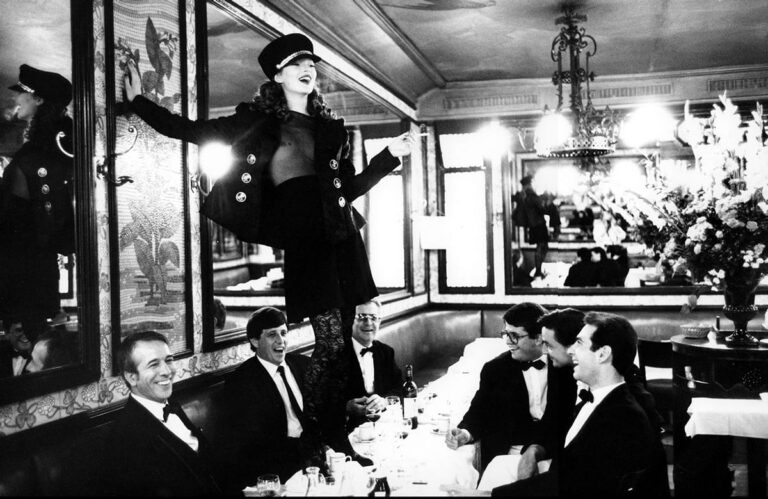
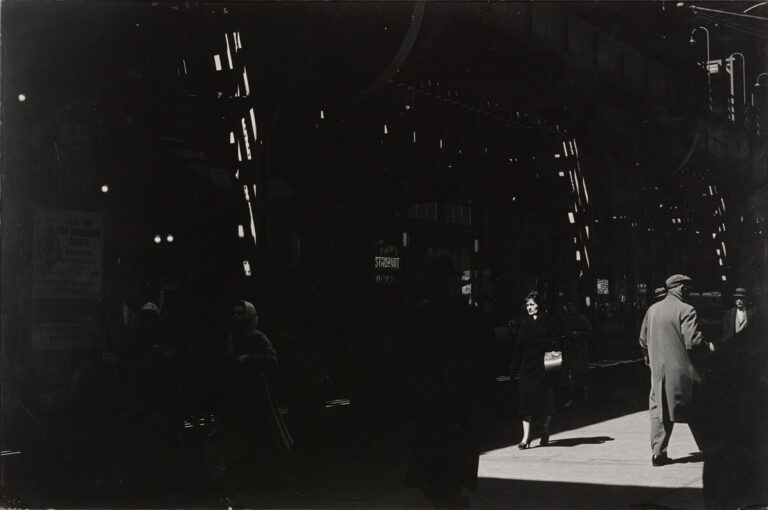
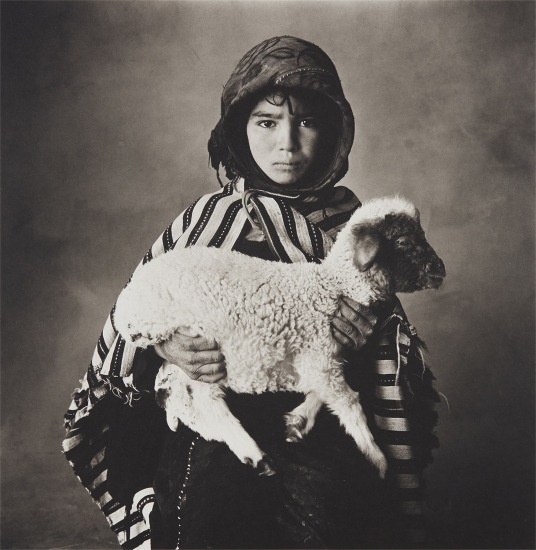
His practice moved with equal authority across an extraordinary breadth of subjects. Fashion images and intimate portraits of artists, writers, and cultural figures sit alongside his Small Trades series, in which craftsmen and working people across London, Paris, and New York were accorded the same formal gravity as any cultural icon. His portraits of indigenous communities in New Guinea, Dahomey, and Morocco brought his studio sensibility to the wider world with unfailing dignity and precision. His still life work, reducing cigarette ends, crushed flowers, and discarded objects to images of austere formal beauty, extended the possibilities of the genre with the discipline of a Dutch master.

His work is held in the permanent collections of the Museum of Modern Art, New York, the Metropolitan Museum of Art, the Art Institute of Chicago, and the National Gallery of Art, Washington D.C