Photography
Lucien Clergue
French · 1934–2014
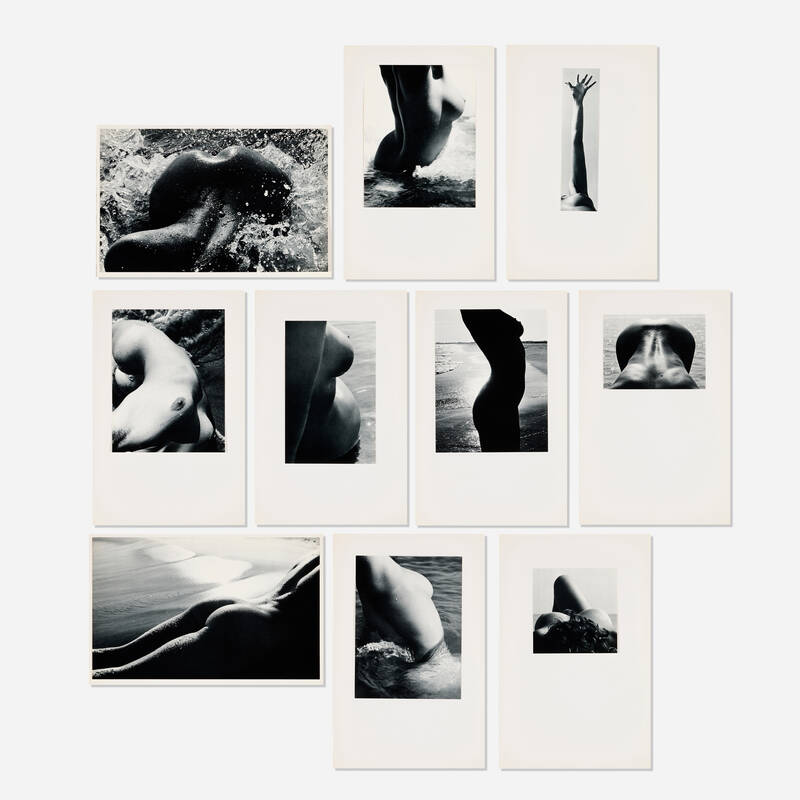
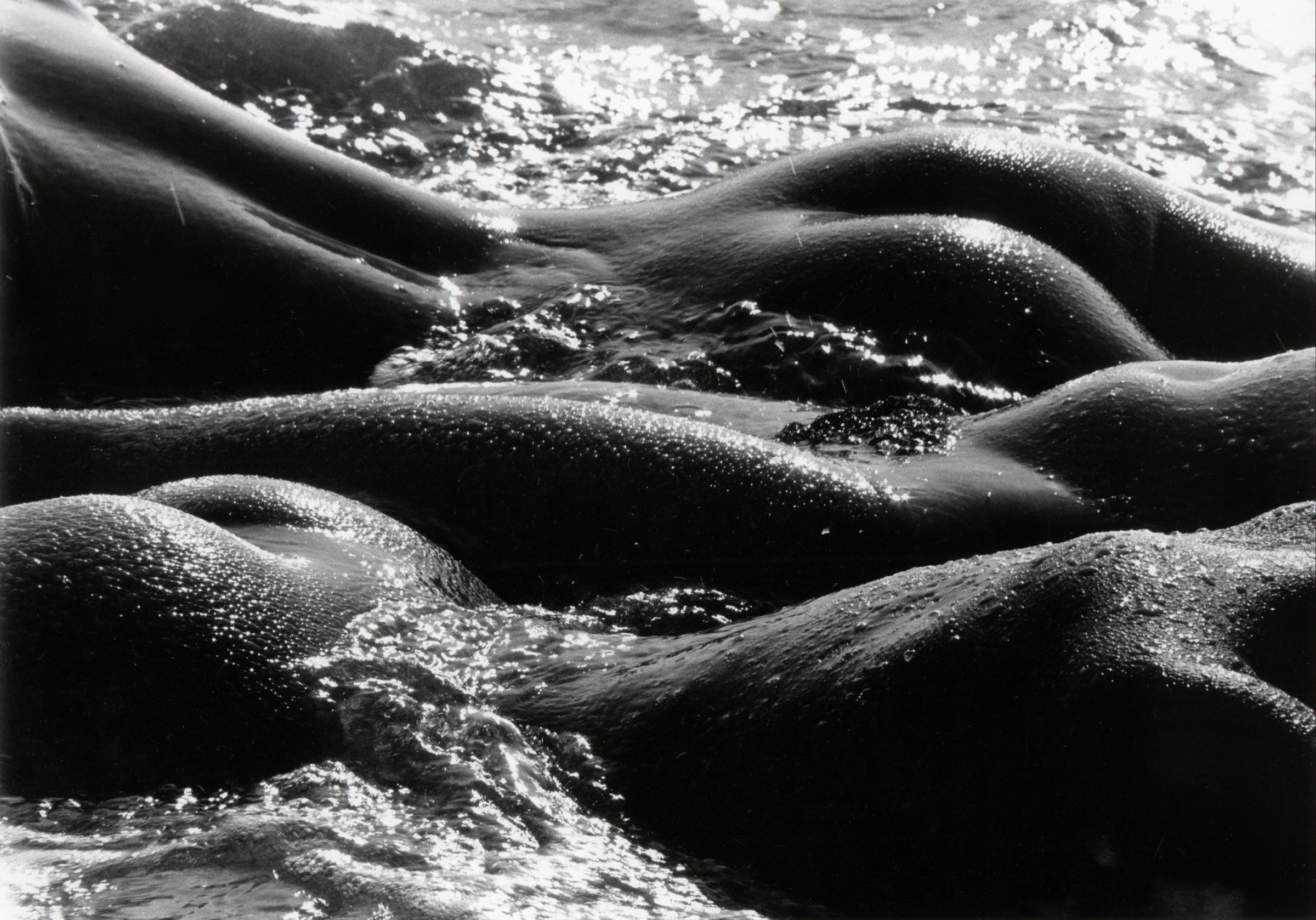
Lucien Clergue (1934–2014, born Arles, France) was a photographer whose work helped establish photography as a fine art in France, drawing on the light, landscape, and rituals of his native Provence. From the age of fifteen he worked in a factory to support his mother, and he set up as an independent photographer in 1959. Two early encounters proved decisive. Pablo Picasso and Jean Cocteau became the sponsors of his first serious work, and Cocteau invited him to photograph the making of his film Le Testament d'Orphée.
Clergue returned again and again to a set of enduring subjects: the female nude set against the sea and sand of the Camargue, the bullfight, and portraits of the artists and writers around him. His images hold the secrets of life and death in a single gaze, tender and unflinching at once. He exhibited at the Museum of Modern Art in New York as early as 1961, a rare recognition for a French photographer of his generation.
In 1969 he co-founded the Rencontres d'Arles, the international photography festival that remains among the most important in the world. In 2006 he became the first photographer elected to the Académie des Beaux-Arts of the Institut de France, and he served as its president in 2013.