DORA MAAR
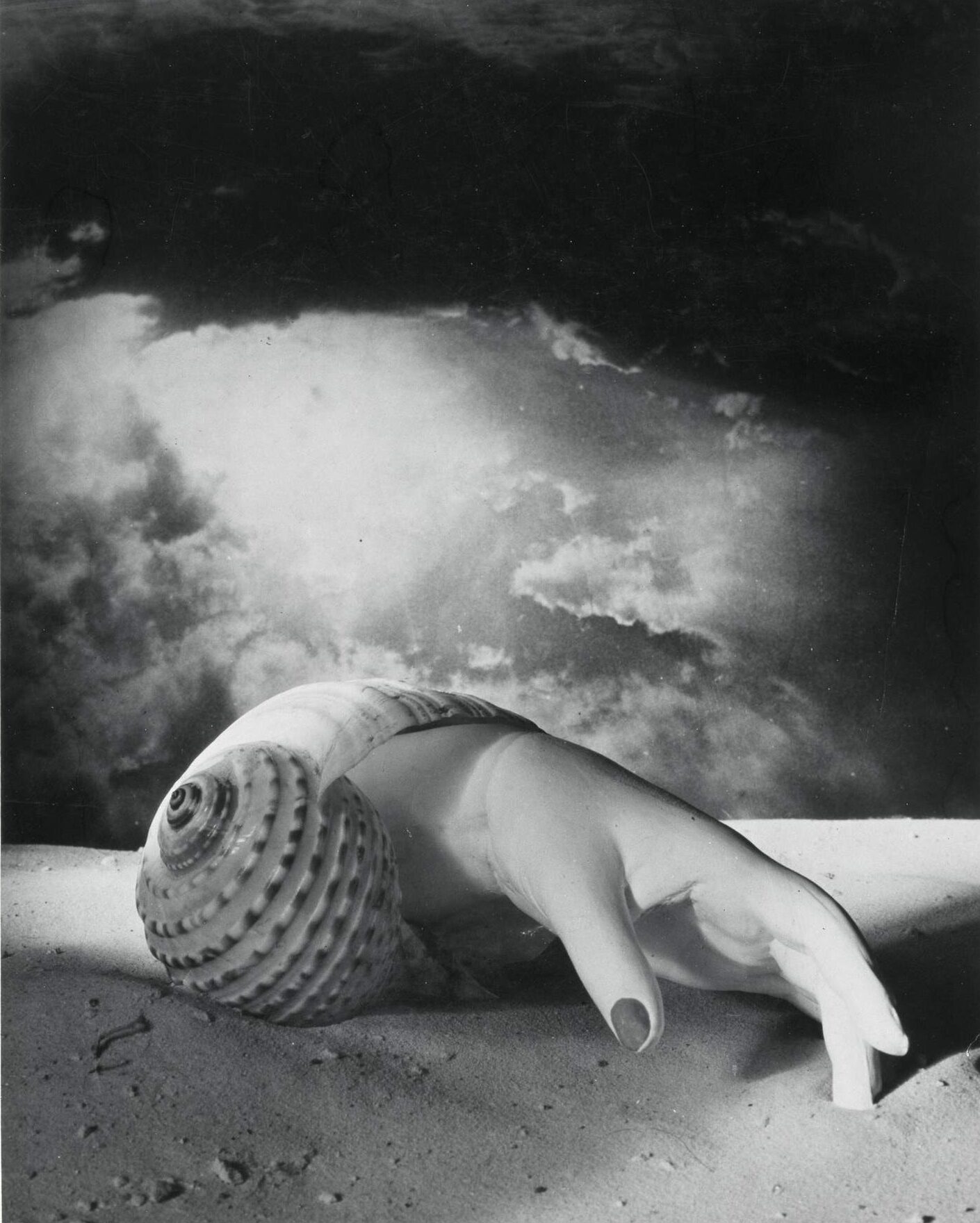
Dora Maar (1907–1997, born Henriette Theodora Markovitch, Tours, France) was a French photographer, painter, and artist whose practice across the 1930s placed her at the intersection of Surrealism, documentary photography, and fine art at one of the most fertile moments in twentieth-century cultural history. Raised partly in Buenos Aires, where her father worked as an architect, she studied at the École des Arts Décoratifs and the Académie Julian in Paris before training in photography under the pictorialist photographer Harry Ossip Meerson. Through the early 1930s she worked as a commercial photographer, producing advertising and fashion photography for clients including Périer and Harper’s Bazaar, while simultaneously developing a parallel Surrealist practice of staged tableaux and experimental street photography.
Her most celebrated photographs from this period, including the haunting composite image 29 rue d’Astorg (1936) and her documentation of the poverty of London’s East End and the streets of Barcelona during the Spanish Civil War, demonstrate the breadth of a vision that moved freely between the political and the poetic. In 1936 she met Pablo Picasso, with whom she maintained a turbulent relationship until 1943, and she documented his entire creation of Guernica in a celebrated series of photographs that constitute an invaluable record of one of the great works of the twentieth century. Picasso’s portrait series Weeping Woman (1937) drew extensively on his relationship with Maar.Her work is held in the permanent collections of the Centre Pompidou, Paris, the Museum of Modern Art, New York, the Tate Modern, London, and the J. Paul Getty Museum, Los Angeles