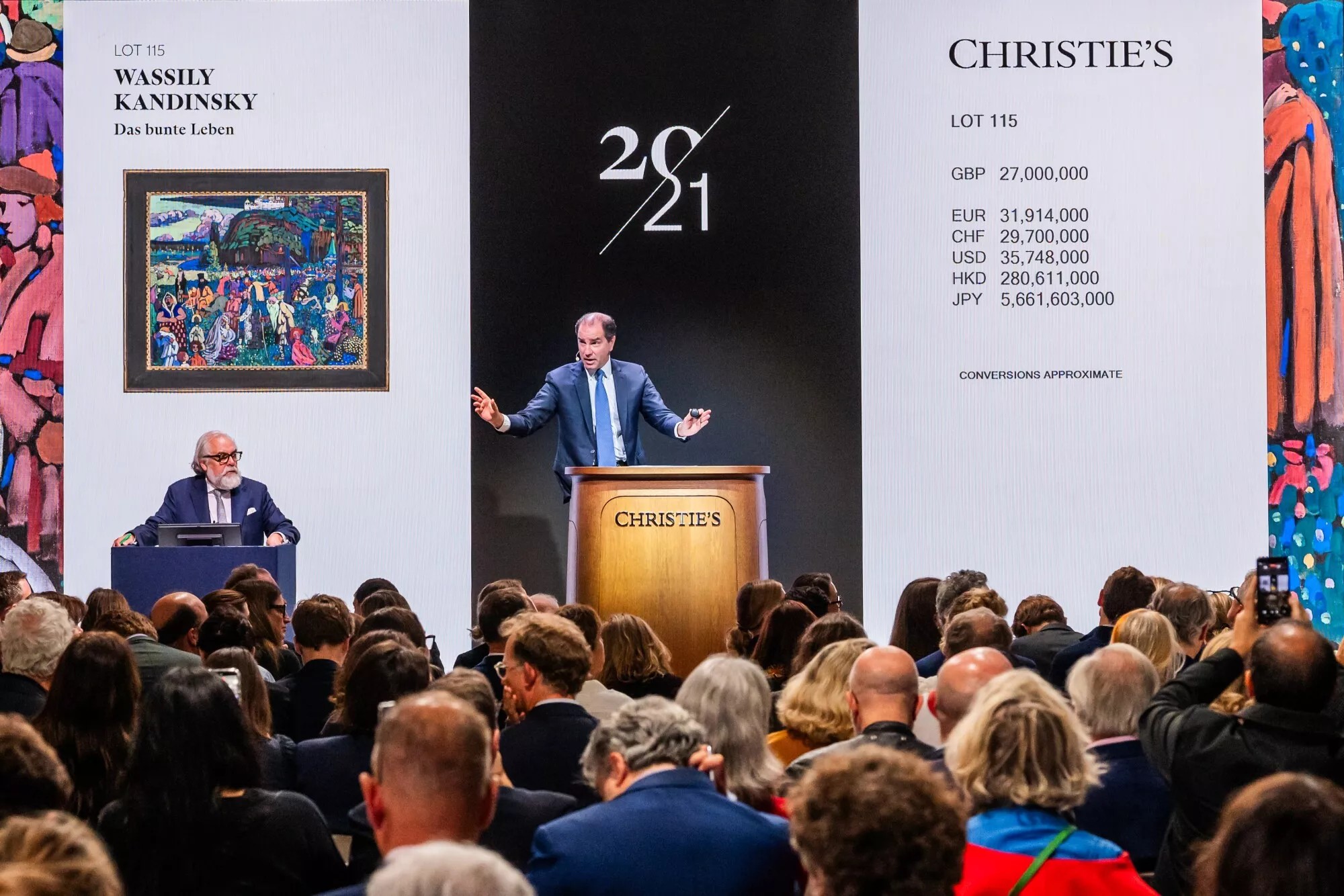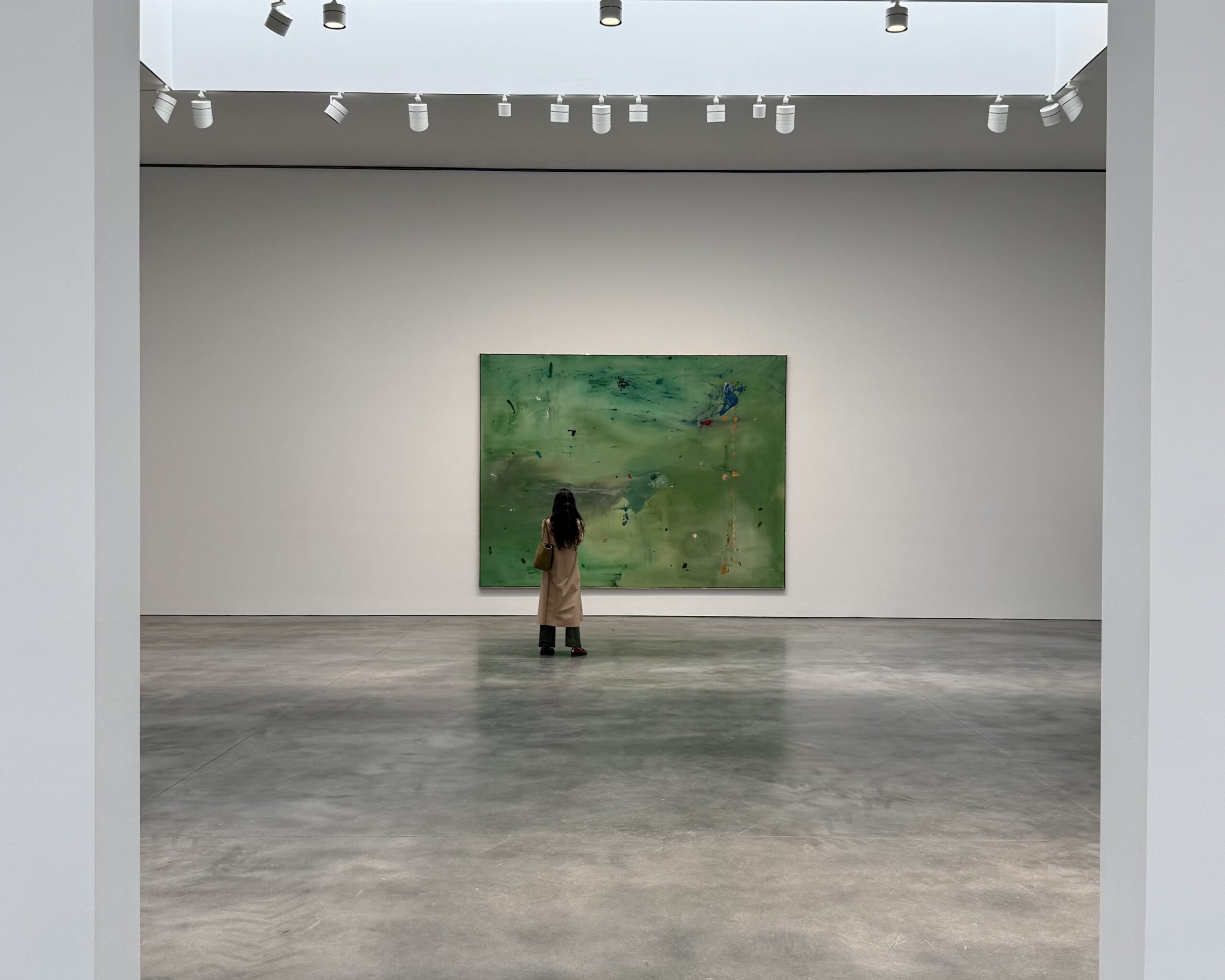



For collectors with significant holdings in fine art, the value of a collection can extend well beyond its cultural and personal significance. Yet despite their financial value, artworks can be relatively illiquid assets, often requiring considerable time to sell.
Art-backed financing provides an alternative. By using eligible artworks as collateral, collectors can access capital while retaining ownership of their holdings. Offered through specialist lenders, private banks, and major auction houses, these arrangements can support acquisitions, liquidity requirements, and broader wealth management strategies.
How Does Art-Backed Financing Work?
Art-backed financing is a form of secured lending in which artworks serve as collateral for a loan. The lender evaluates the proposed works, establishes their eligible collateral value, and determines the amount of capital that can be advanced against them.
Borrowing capacity is generally expressed as a loan-to-value ratio (LTV), calculated as a percentage of the lender’s assessed collateral value. Ratios vary on a case-by-case basis. At a hypothetical 50% LTV, collateral valued at $5 million for lending purposes could support a $2.5 million loan, subject to underwriting and approval.
Throughout the loan term, collectors retain ownership of their artworks, although the lender holds a security interest in the pledged assets. Depending on the financing structure and jurisdiction, works may remain in the collector’s possession or require storage with an approved custodian.
How Are Artworks Valued for Lending?
An artwork’s value as collateral is not necessarily equivalent to its estimated sale price. Lenders assess both its market value and the likelihood of realizing that value, considering comparable transactions, provenance, condition, authenticity, and the artist’s secondary-market performance.
Market liquidity is a critical consideration. Works with established demand, consistent sales histories, and a broad collector base may be more attractive to lenders than those with limited transaction records or less predictable demand. The rarity, quality, and significance of an individual work within an artist’s oeuvre also influence its assessment, while the resulting collateral valuation may differ substantially from its original acquisition price or insurance value.
Why Do Collectors Borrow Against Art?
For collectors, art-backed lending can provide financial flexibility without requiring the immediate sale of important works. Existing holdings may be used to secure capital for new acquisitions, allowing collectors to pursue opportunities while preserving their established collections. Beyond acquisitions, financing can support business investments, real estate transactions, and other liquidity requirements. It may also play a role in estate and succession planning, providing access to funds while collectors or their advisers consider longer-term arrangements for significant holdings.
The decision to borrow rather than sell ultimately depends on the collector’s financial objectives, the cost of financing, and the anticipated source of repayment. While art-backed loans can provide access to capital, they also introduce financial obligations and risks that must be considered alongside their potential benefits.
Understanding the Costs and Risks
Art-secured loans carry many of the obligations associated with other forms of secured lending. Interest rates, repayment schedules, fees, insurance requirements, and collateral arrangements vary according to the lender and financing structure.
Collectors should pay particular attention to provisions governing changes in collateral value. Certain agreements permit lenders to reassess pledged artworks and require additional security or partial repayment if valuations decline. In the event of default, lenders may also have the right to enforce their security interests, potentially resulting in the sale of pledged works.
Evaluating the total cost of borrowing, the terms of the agreement, and the capacity to meet repayment obligations is therefore essential. The suitability of financing depends as much on the structure of the loan as on the value of the underlying collection.
Art Financing as Part of a Collection Strategy
For collectors managing significant art holdings, art-backed lending can provide an alternative to selling works when liquidity is required. Its suitability depends on the relationship between the collection’s market value, the collector’s financial objectives, and the terms under which capital can be accessed.
Effective art financing requires an informed assessment of collateral quality, market conditions, and repayment obligations. Within a broader collection management strategy, it can offer financial flexibility while allowing collectors to preserve works of long-term importance.
Ithaca Gallery advises on and offers art-secured financing solutions, subject to lender approval and applicable terms.