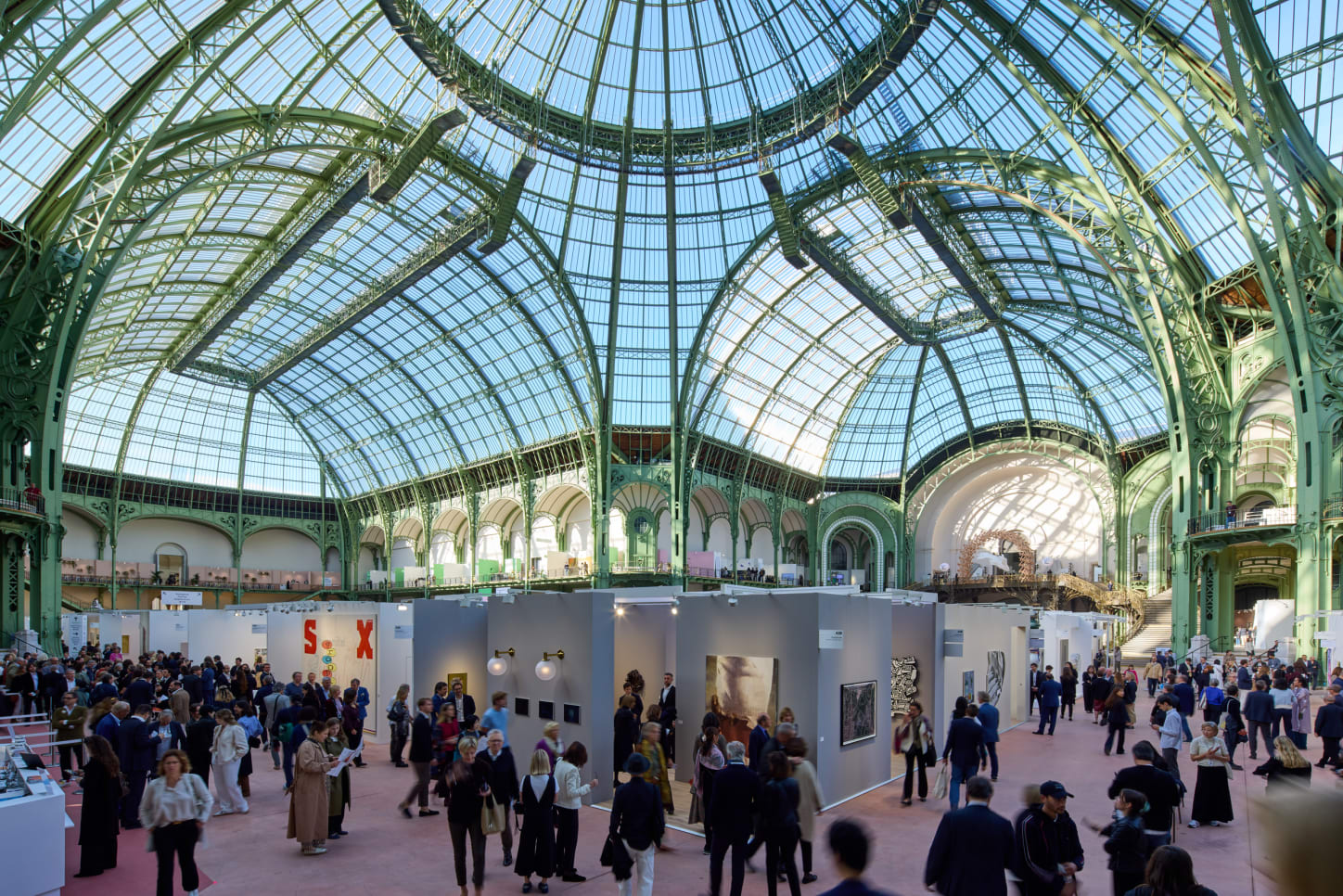
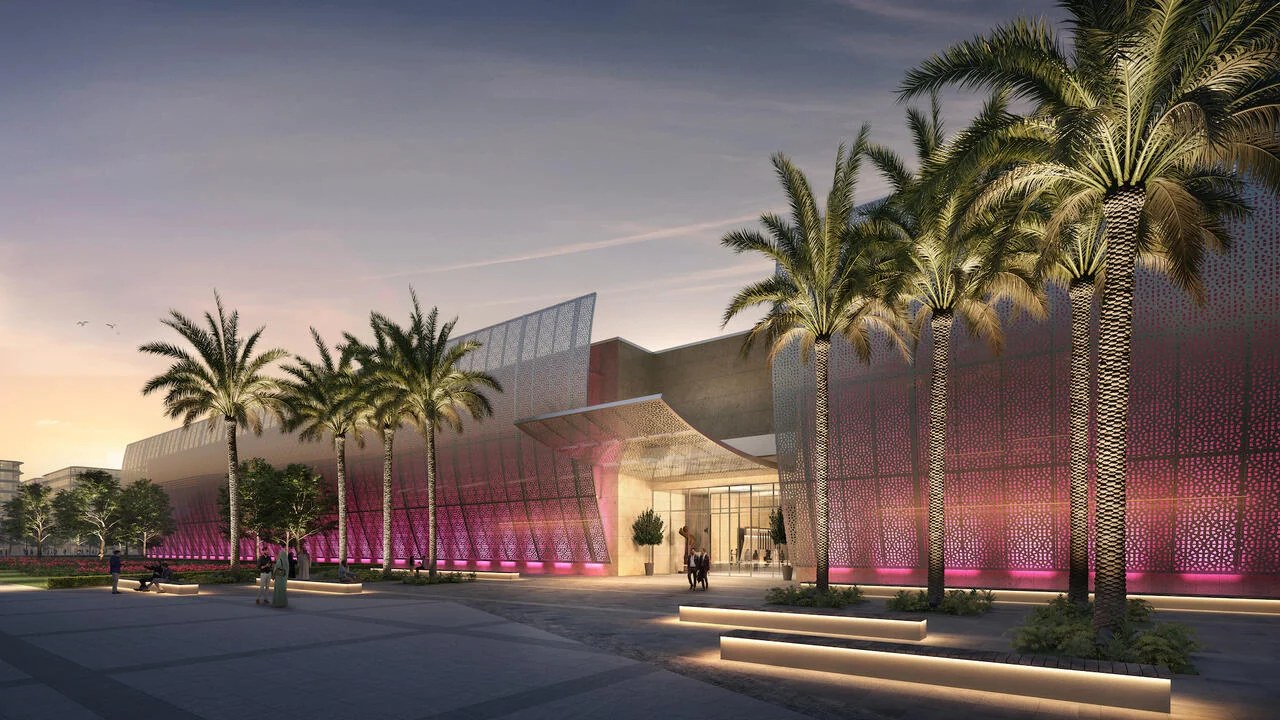
From November 19 to 22, Abu Dhabi will join Frieze’s international fair circuit, welcoming 89 galleries from 37 countries and regions to Manarat Al Saadiyat. Presented in partnership with the Department of Culture and Tourism – Abu Dhabi, the inaugural edition arrives at a significant moment for the Middle Eastern art market, as international fair organizers and auction houses expand their activities across the Gulf.
The launch builds upon nearly two decades of cultural development in Abu Dhabi, from major museum partnerships to sustained investment in artistic infrastructure. Frieze’s arrival brings an established international fair organization to a city that has already positioned itself as an important cultural destination, marking a new stage in the development of its commercial art market.
From Abu Dhabi Art to Frieze
Frieze Abu Dhabi succeeds Abu Dhabi Art, which completed 17 editions and developed an extensive network of regional galleries, collectors, and institutions. Under the continued direction of Dyala Nusseibeh, the transition brings that established community into Frieze’s international network, which spans London, New York, Los Angeles, Chicago, and Seoul.
The inaugural program places particular emphasis on artistic production across West Asia, North Africa, and South Asia, while attracting some of the world’s leading international galleries. Gagosian, Pace, Thaddaeus Ropac, and Victoria Miro are among the participating exhibitors, alongside established galleries from the region.
The fair’s curated sections further distinguish its program. Frieze Masters Abu Dhabi, curated by Marika Sardar, explores historical artistic exchange across the Indian Ocean, while Global Futures, curated by Tarini Malik, examines contemporary practices informed by the cultural histories and identities of the wider region. Together, the sections connect historical scholarship with contemporary artistic production, placing regional artistic traditions within a broader international context.
Abu Dhabi’s Growing Position in the Global Art Market
Abu Dhabi’s development as a cultural destination has been closely tied to Saadiyat Cultural District, where Louvre Abu Dhabi opened in 2017 and Zayed National Museum has since joined an expanding institutional landscape. The forthcoming Guggenheim Abu Dhabi will add another major international museum to the district, further strengthening the emirate’s cultural infrastructure.
Commercial activity has expanded alongside these developments. Christie’s, which established its presence in the region in 2006, has continued to develop its activities, while Sotheby’s is preparing an Abu Dhabi fine-art auction in December. The arrival of Frieze follows the introduction of Art Basel Qatar earlier this year, placing two of the world’s most influential international fair organizations in the Gulf within the same calendar year.
Taken together, these developments reflect the growing presence of international art institutions and commercial organizations in Abu Dhabi. The arrival of Frieze, alongside expanding auction house activity, marks a significant moment in the emirate’s development as an international art market.
For international galleries, Abu Dhabi offers an opportunity to strengthen relationships with collectors across the Gulf, while regional galleries gain access to a wider international audience. The fair also creates opportunities for exchange between established collecting markets and artistic communities whose work has historically received less attention within the principal Western art centers.
What Frieze Abu Dhabi Means for Collectors
For collectors, Frieze Abu Dhabi represents an opportunity to engage more directly with a market whose institutional and commercial infrastructure has developed considerably over the past two decades. The participation of major international galleries alongside established regional exhibitors brings together different collecting communities, creating opportunities for new relationships, acquisitions, and a broader exchange of market knowledge.
The fair’s longer-term significance, however, will extend beyond the transactions recorded during its inaugural edition. Sustained collector engagement, the continued development of regional galleries, and greater international recognition of artists working across the Middle East will be important indicators of its influence in the years ahead.
Frieze Abu Dhabi arrives at a pivotal moment in the evolution of the Gulf’s art market. Building upon an established regional foundation and an expanding network of cultural institutions, its inaugural edition reflects the increasing importance of Abu Dhabi within the international art trade. As the geography of collecting continues to evolve, the fair offers an important perspective on how new centers of commercial and cultural influence are taking shape.