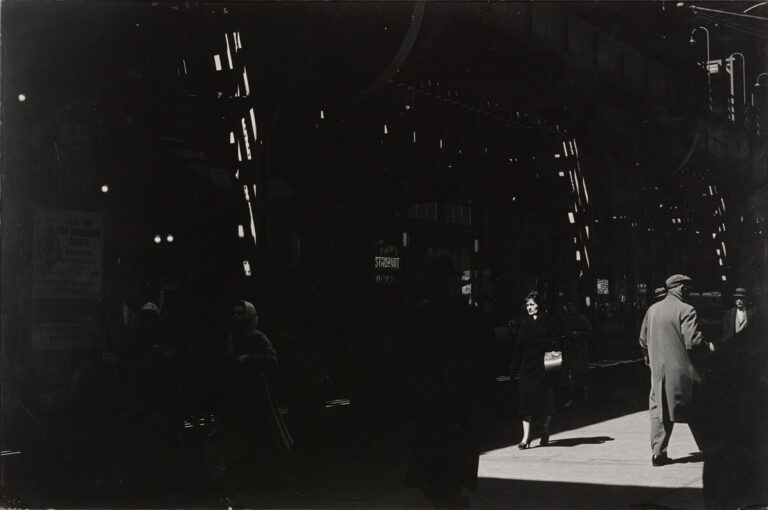
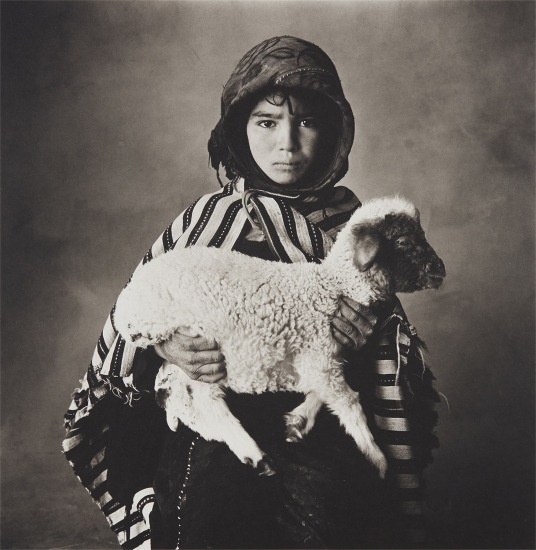
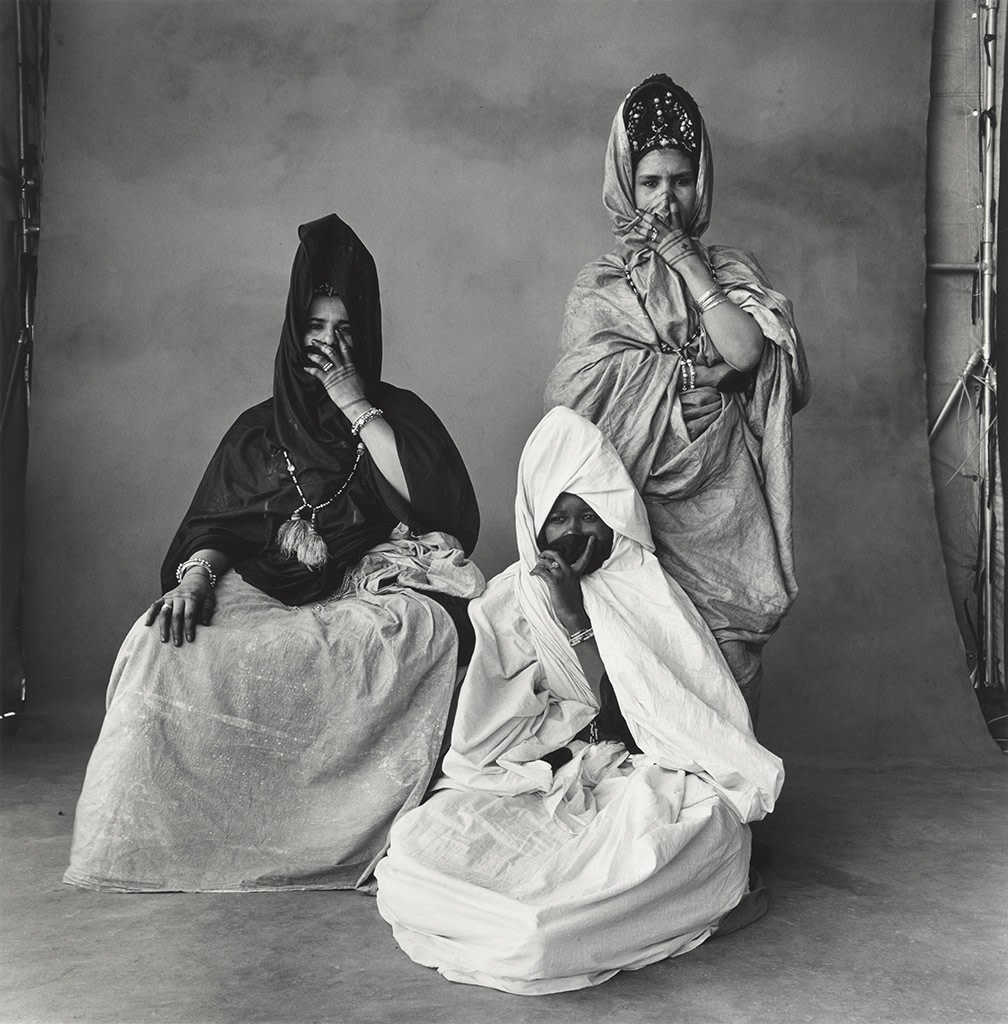
Photography occupies a singular place among the collecting fields. Its defining images hang in the world’s leading museums and reach seven and eight figures at auction, yet fine prints by important photographers remain within reach of a considered budget. What follows is a guide to reading a photograph as a collector does: how quality is judged, how value is determined, and how a collection is built.
Forming an eye
A collector learns the field by looking at it, closely and repeatedly. Museum collections, gallery exhibitions, dedicated photography fairs, and the previews that precede the major auctions are where a beginner learns to compare prints and judge quality. A print should be seen in person, since a reproduction cannot convey its scale, surface, or condition. Most collectors develop a focus over time, whether an artist, a period, a subject, or a process, and a defined focus gives a collection coherence.
Understanding the object
A photograph is an original object, not only an image. A given picture often exists in more than one authorized print, so a collector acquires a specific example, defined by its date, process, edition, condition, and provenance. Because of these factors, two prints of the same photograph can differ widely in value, and understanding them is what allows a collector to judge a print and compare one example with another.
What moves value: date, process, and edition
Three attributes of the print determine most of its value. The first is the date of the print, understood in relation to the date of the negative. A vintage print is one made by the photographer, or under direct supervision, at or near the time the negative was exposed. A later print is one made during the photographer’s lifetime but at some distance from that original exposure. A posthumous or estate print is one produced after the photographer’s death, from the original negatives, under the authority of the estate or foundation. As a general tendency a vintage print is the most valued, though this is not a fixed rule, and posthumous and estate prints remain legitimate objects that museums collect. The second attribute is process. Gelatin silver, platinum palladium, dye-transfer, and pigment prints each trade in a distinct range. The third is edition. Where a photograph is issued in a fixed number of authorized prints, a smaller edition generally supports a higher price, and a collector should establish the full size of an edition.
Condition and care
A photograph’s condition bears directly on its value. Each print should be examined against the standards of its process for fading, color shift, handling creases, and silver mirroring. The difference in price between a print in excellent condition and a compromised one can be measured in multiples. After acquisition, a photograph should be framed to archival standard, behind UV-filtering glazing, and kept away from direct light and humidity.
Provenance and authenticity
Authenticity is established by the object and its record together, weighed as a whole rather than on any single feature. A specialist examines the paper and process for consistency with the stated period. The marks on the reverse, the stamps, and the signature are read as one body of evidence. The work is then checked against its documented history and, where one exists, the artist’s foundation or catalogue raisonné. Provenance also affects value: a documented chain of ownership, or a place in a recorded exhibition, can raise a work above one without such a record.
Building a collection
A collection is best built gradually and with discipline. The field’s highest results run to the millions, but most collecting takes place below that level. Across the wider art market, the median amount a high-net-worth collector spent in 2024 was $24,000, according to the Art Basel and UBS Survey of Global Collecting. The field is also broadening: the same survey found younger collectors allocating a larger share of their wealth to art than the generations before them, with Gen Z directing 26 percent to it against a 20 percent average, and showing particular interest in prints and photography. Ithaca advises collectors on building and managing a collection, from a first acquisition to a complete one. To begin, contact an Ithaca advisor; every conversation is confidential.