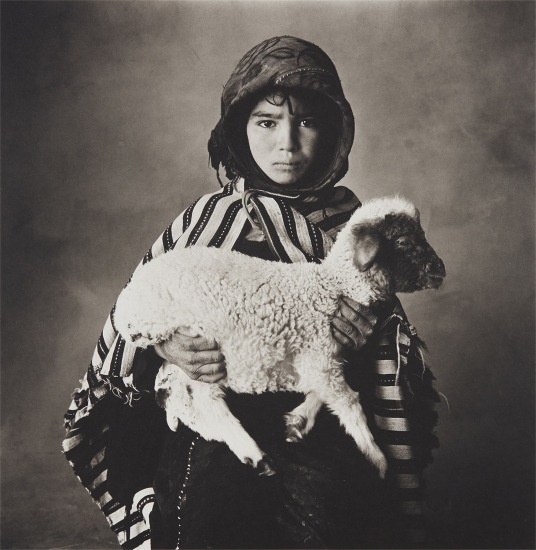
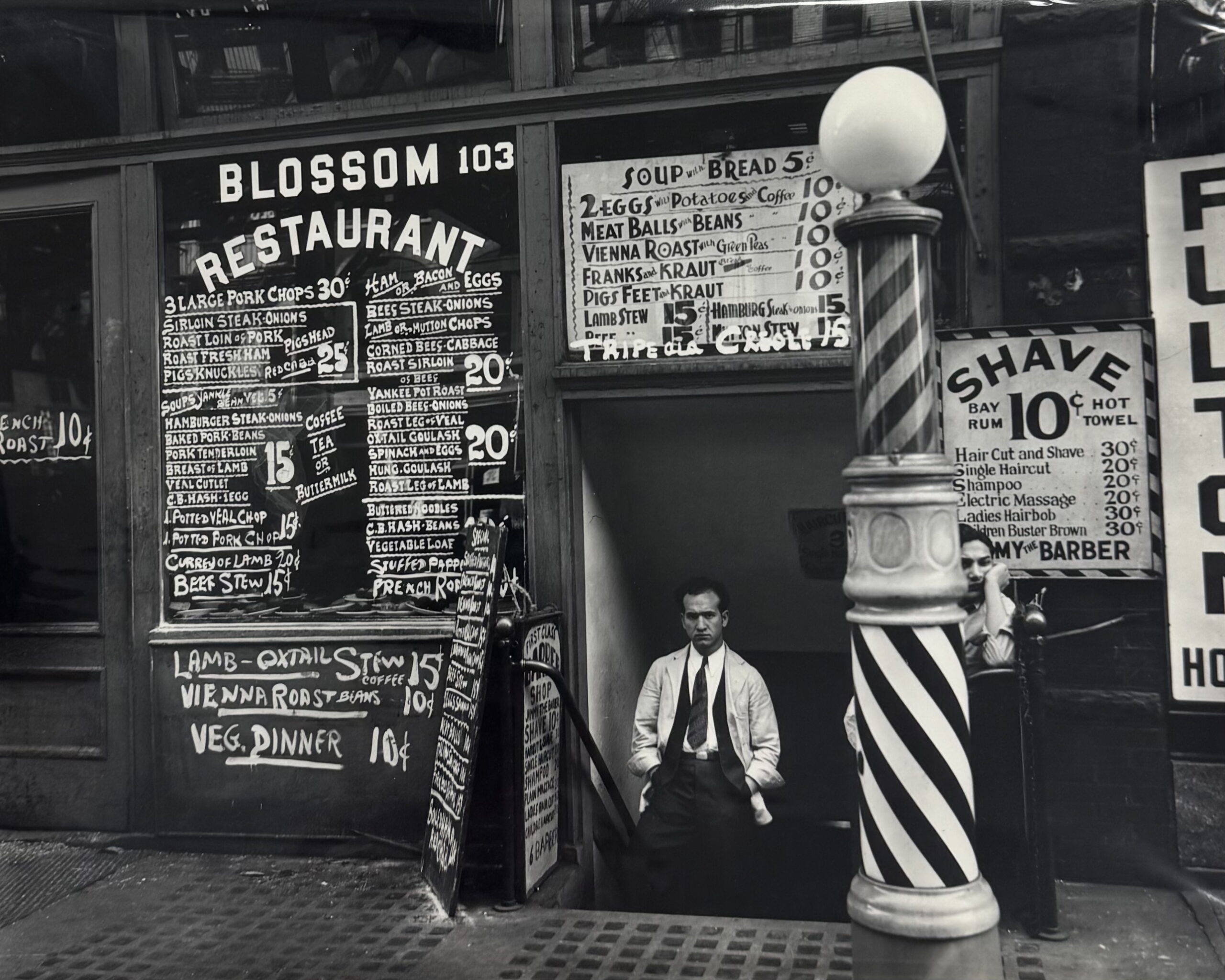
Elton John began acquiring photographs in 1991, at a time when the medium remained a comparatively specialized area of the wider art market, with exceptional works fetching prices far below those achieved by painting. Over the following three decades, an initially personal interest developed into a sustained commitment to the medium. Together with his husband, David Furnish, John has assembled more than 7,000 photographs, forming one of the most distinguished photographic collections in private hands.
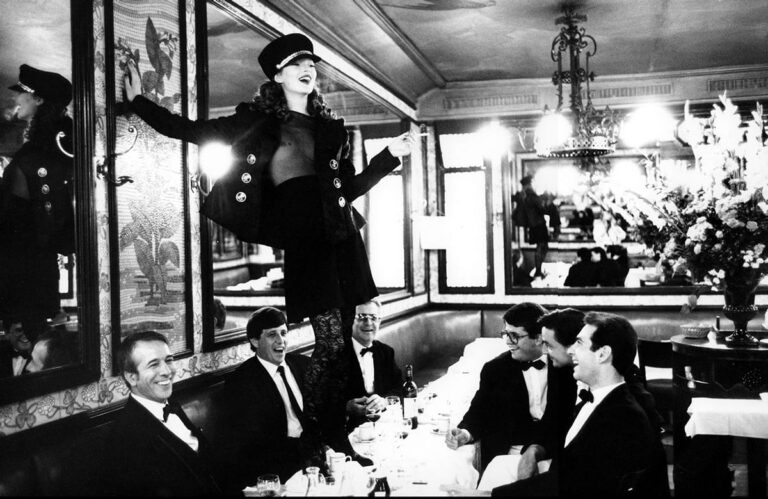
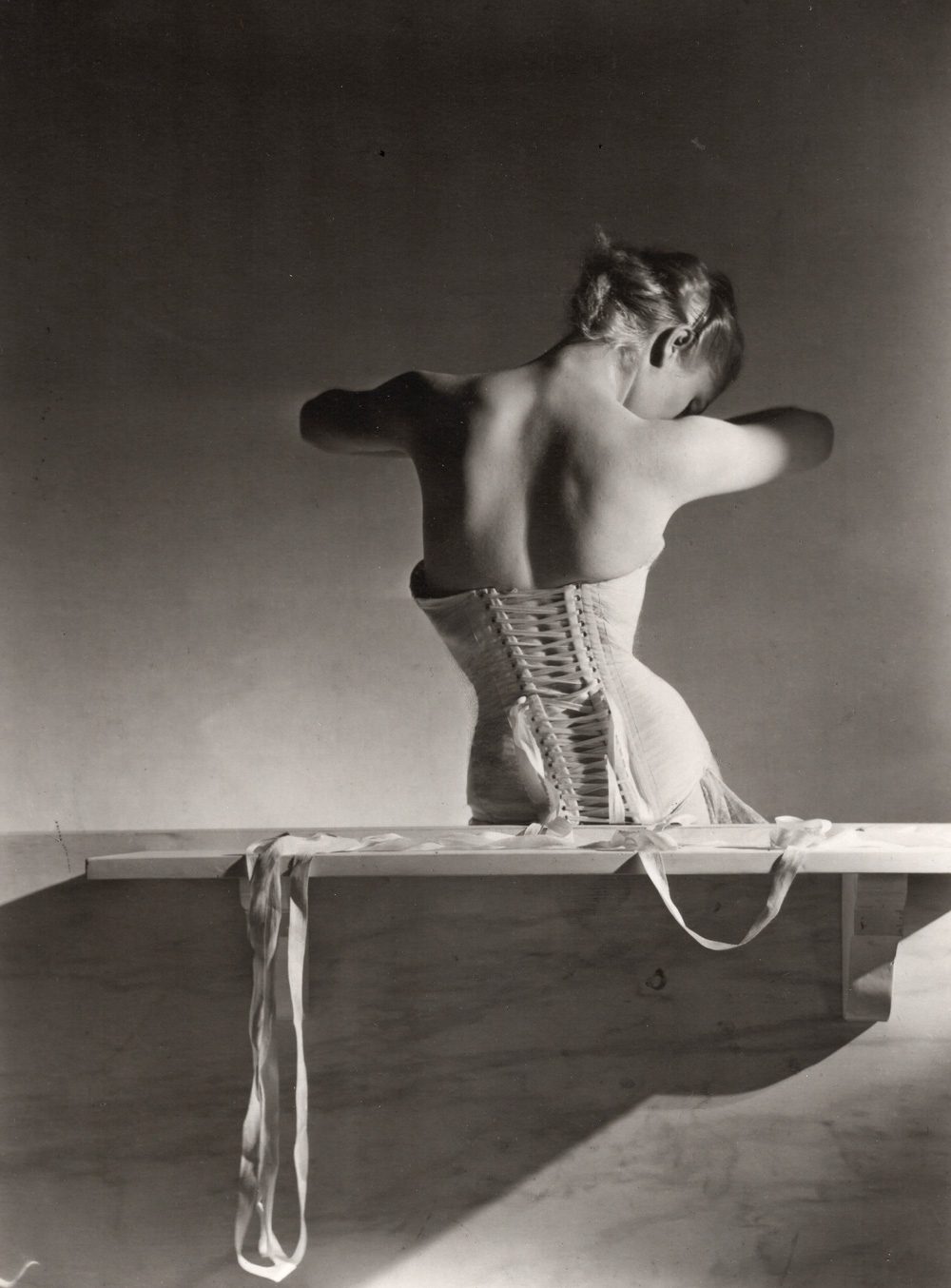
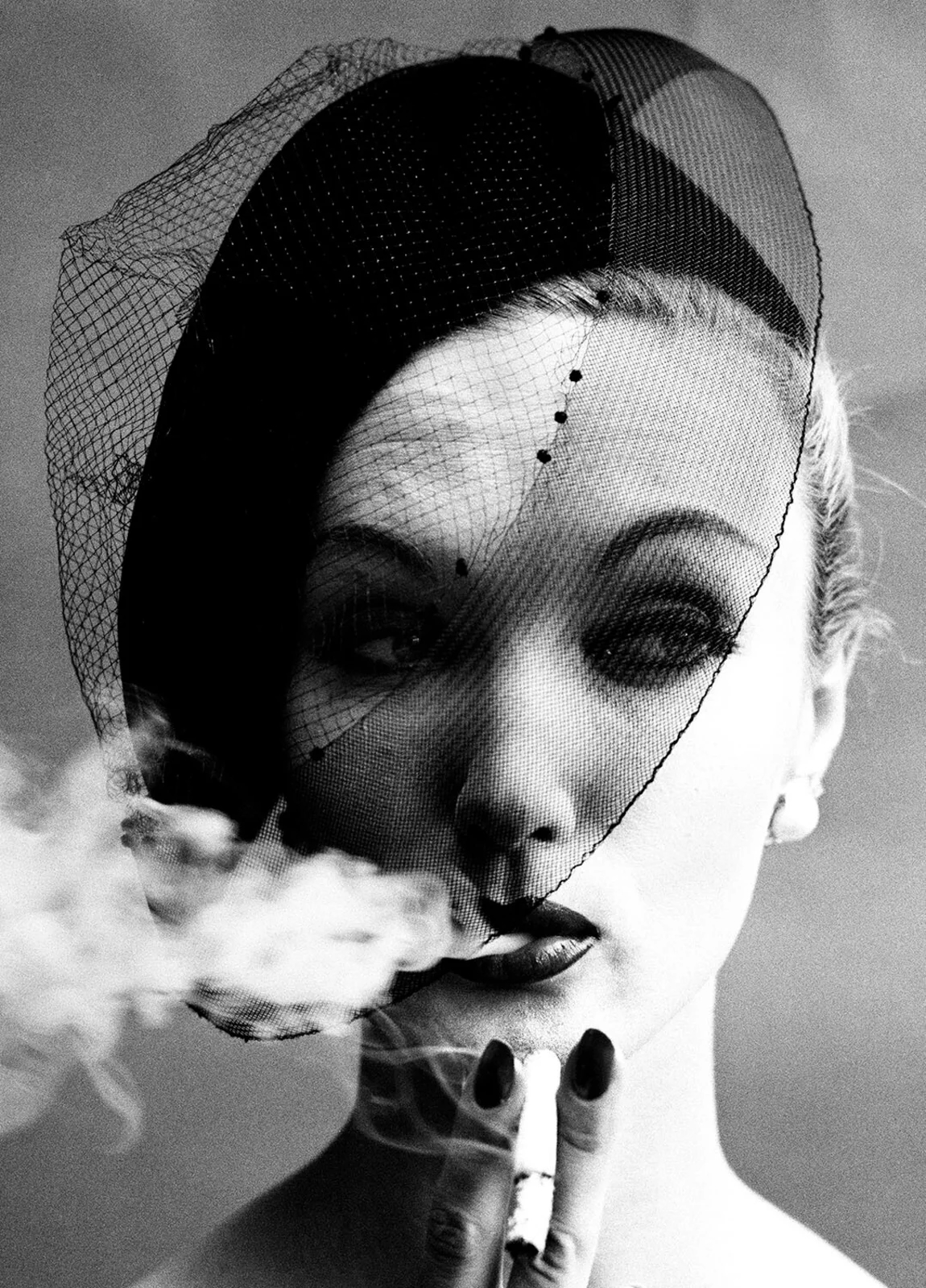
Fashion photography provided an early point of entry. With the guidance of Los Angeles dealer David Fahey, his attention turned to photographers including Horst P. Horst, Herb Ritts and Irving Penn, and an initial fascination soon developed into a serious and sustained pursuit. Newell Harbin, Director of the Sir Elton John and David Furnish Photography Collection, has recalled that in one year alone acquisitions averaged approximately one and a half works a week. Even at that pace, he bought within strict limits: vintage prints, made close to the moment of exposure and only in excellent condition.
In 1993, only two years after he began collecting, John acquired Man Ray’s Glass Tears, 1932, for $193,895, then the highest price paid for a single photograph at auction. The tightly cropped image, in which glass beads simulate tears beneath a woman’s upturned eyes, belongs to Man Ray’s most celebrated period of photographic experimentation. The record-setting acquisition was an early indication of John’s ambitions as a collector, placing him at the highest level of a photography market that was only beginning to command prices commensurate with the importance and rarity of its finest works.
Little of the collection is consigned to storage. Photographs hang throughout the homes John shares with Furnish, densely installed in places, with Man Ray’s Noire et Blanche among the works displayed in their bedroom. John has consistently described collecting in personal rather than financial terms, acquiring photographs he wants to live with rather than approaching them primarily as investments. That intimacy remains an important characteristic of a collection that has since assumed considerable institutional significance.
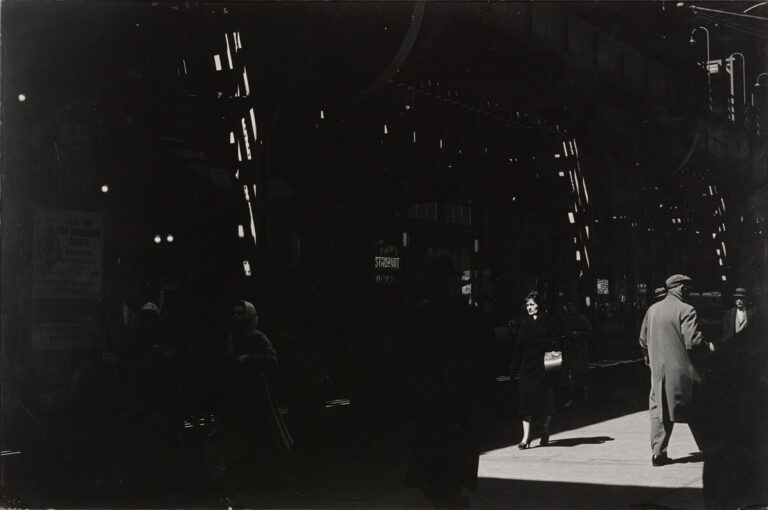
The first major public presentation came in 2000, when the High Museum of Art in Atlanta mounted Chorus of Light: Photographs from the Sir Elton John Collection. Sixteen years later, Tate Modern presented The Radical Eye: Modernist Photography from the Sir Elton John Collection. On view from 10 November 2016 to 7 May 2017, the exhibition brought together nearly 200 works by more than 60 artists and revealed the exceptional depth of his holdings in modernist photography. The works were of the highest order. An important group of Man Ray portraits was shown together for the first time, alongside André Kertész‘s Underwater Swimmer, 1917, Dorothea Lange‘s Migrant Mother, 1936, Walker Evans’s photographs of Depression-era Alabama and works by Berenice Abbott, Alexander Rodchenko, Edward Steichen, Alfred Stieglitz, Tina Modotti, László Moholy-Nagy, Imogen Cunningham and Margaret Bourke-White.
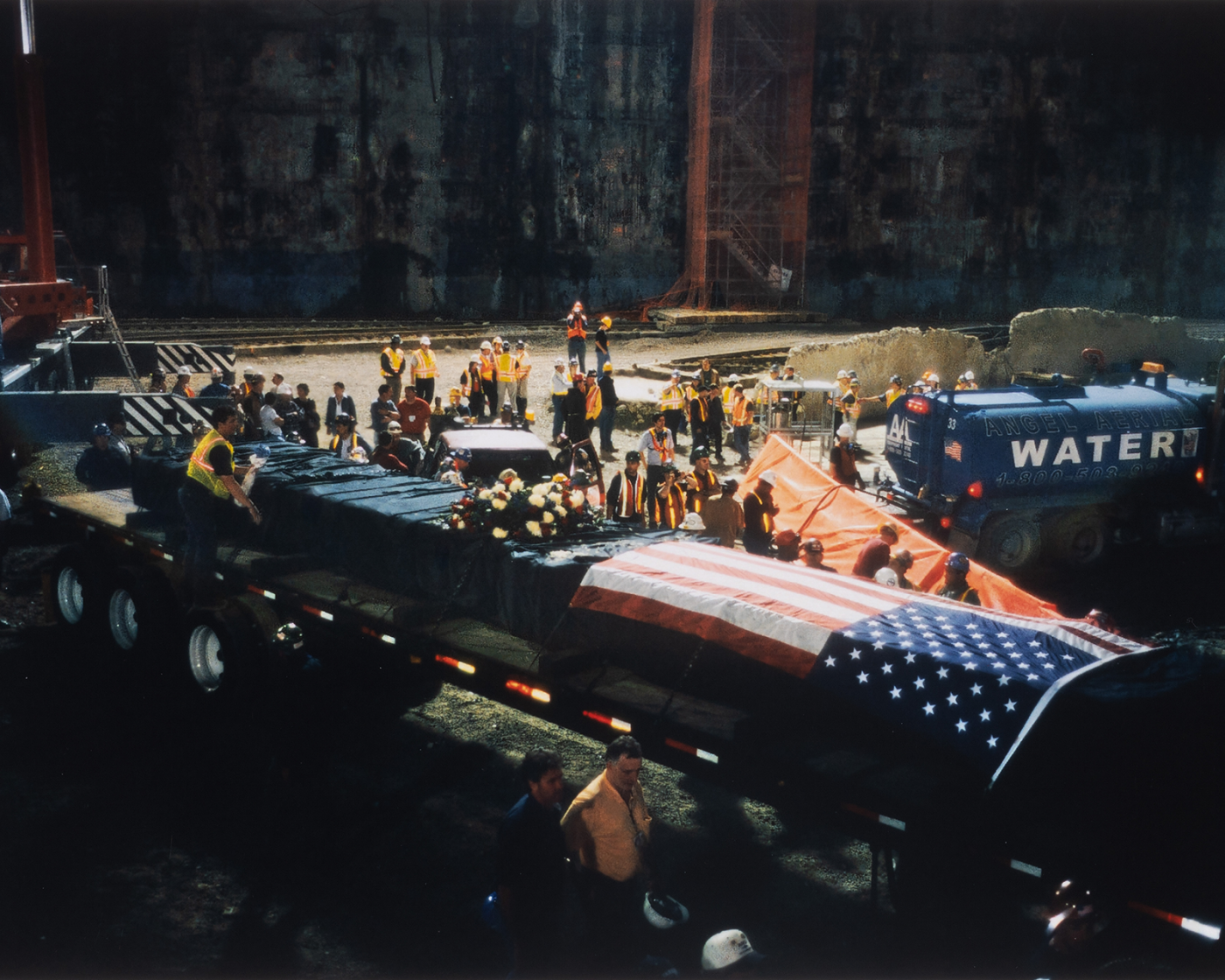
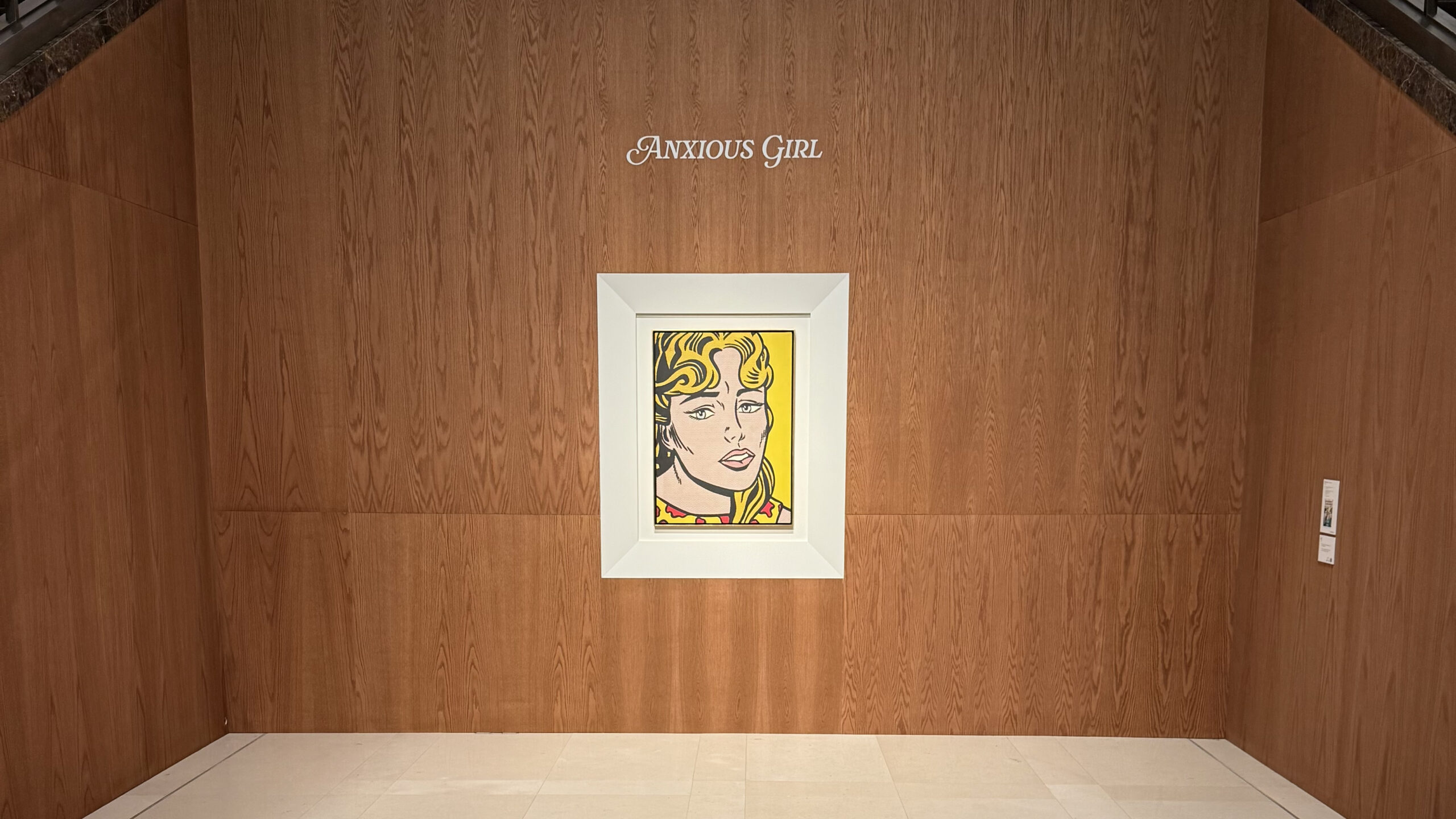
The fullest measure of the collection’s breadth came in 2024 at the Victoria and Albert Museum. Fragile Beauty: Photographs from the Sir Elton John and David Furnish Collection, presented from 18 May 2024 to 5 January 2025, brought together more than 300 photographs by approximately 140 photographers and was the largest temporary exhibition of photography staged by the museum. Its eight sections moved from celebrity and fashion to the civil rights movement, the AIDS crisis of the 1980s, the attacks of September 11, musicians, the male form and reportage. The modernist figures central to The Radical Eye appeared here alongside contemporary photographers such as Nan Goldin, Cindy Sherman, Robert Mapplethorpe, Tyler Mitchell and Ryan McGinley, a reflection of a collection that has kept pace with the medium.
The collection’s importance is inseparable from the transformation of photography’s standing over the same decades. John has spoken openly about the comparatively low regard in which the medium was once held, frequently treated as secondary to the traditional fine arts. His commitment to collecting photography at the highest level, followed by major museum exhibitions and significant gifts to public collections, coincided with a profound expansion of the market. Dedicated photography sales are now firmly established at the principal international auction houses, while the auction record for a photograph stands at $12,412,500, achieved by Man Ray’s Le Violon d’Ingres at Christie’s New York in May 2022. Nearly three decades after John’s record-setting acquisition of Glass Tears, Man Ray now occupies the very highest level of the international photography market.
Ithaca Gallery advises private collectors on significant 20th and 21st-century photography, with expertise spanning acquisitions, private sales and valuations. All inquiries are handled privately and with discretion.
Frequently Asked Questions
When did Elton John start collecting photography?
Elton John began collecting photography in 1991. Fashion photography provided an early point of entry, with Horst P. Horst, Herb Ritts and Irving Penn among the photographers who first attracted his attention. Dealer David Fahey was an important influence during the collection’s formative years, and John subsequently developed the collection with David Furnish.
How large is the Elton John and David Furnish photography collection?
The collection comprises more than 7,000 fine-art photographs and ranks among the leading private photography collections internationally. Its holdings extend from early modernist photography through fashion, portraiture, reportage and contemporary practice, with particular emphasis on the quality and condition of individual prints.
Where has Elton John’s photography collection been exhibited?
Major presentations include Chorus of Light: Photographs from the Sir Elton John Collection at the High Museum of Art in Atlanta in 2000, The Radical Eye: Modernist Photography from the Sir Elton John Collection at Tate Modern in 2016–17, and Fragile Beauty: Photographs from the Sir Elton John and David Furnish Collection at the Victoria and Albert Museum in 2024–25.
What was The Radical Eye at Tate Modern?
The Radical Eye brought together nearly 200 vintage prints by more than 60 artists, examining the transformation of photography during the first half of the twentieth century. Artists represented included Man Ray, André Kertész, Dorothea Lange, Walker Evans, Alexander Rodchenko, Edward Steichen and László Moholy-Nagy.
Why is Elton John’s photography collection significant?
Its significance lies in both the quality of the works assembled and the period during which the collection was formed. John began acquiring photographs during an important phase in the expansion of photography’s international market and continued to build in depth for more than three decades. Major exhibitions at Tate Modern and the V&A have subsequently demonstrated the collection’s breadth and the exceptional quality of its holdings.