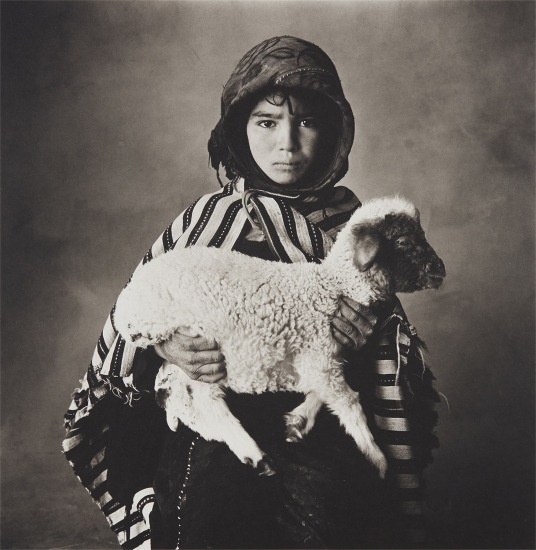
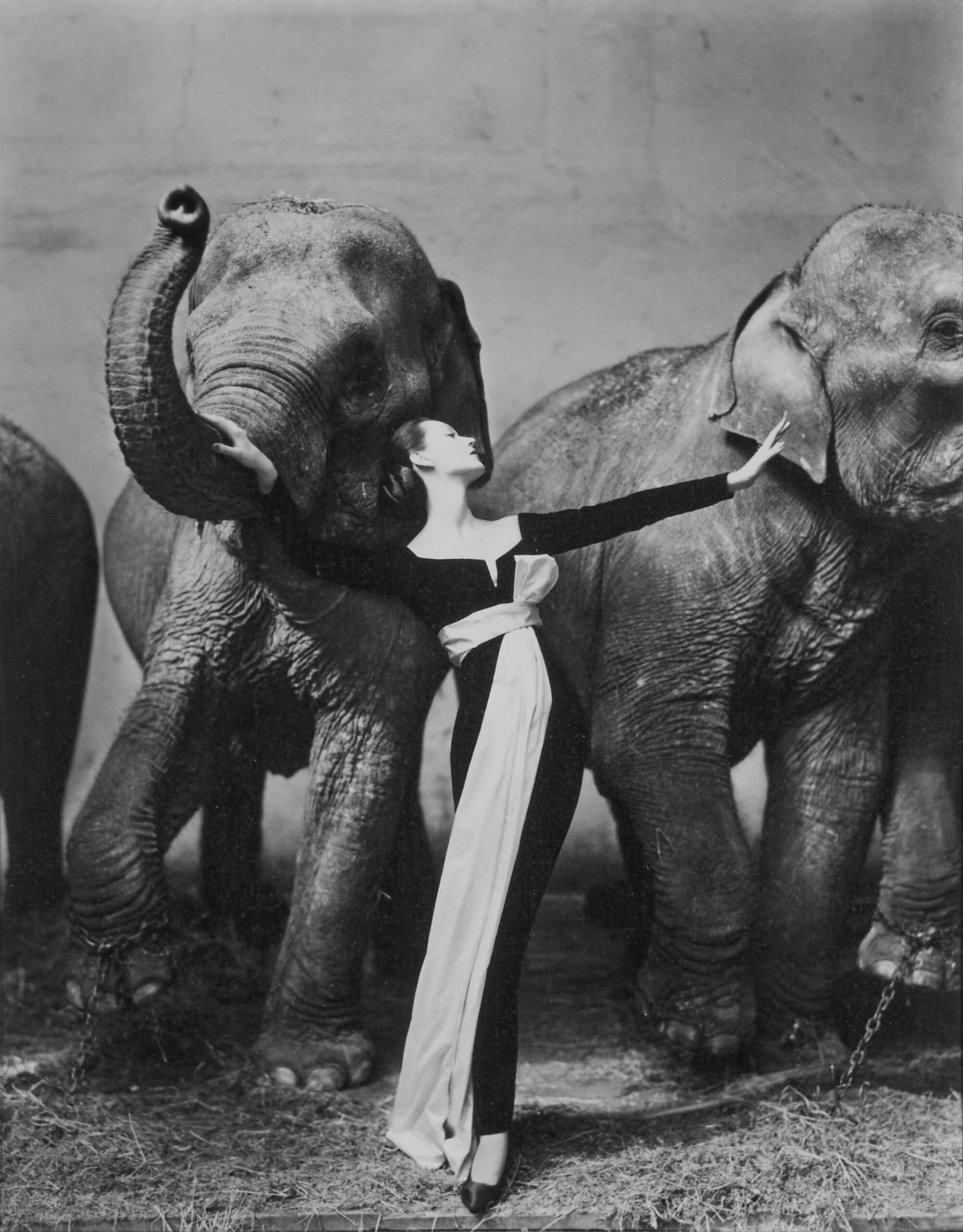
Richard Avedon stands among the most influential photographers of the twentieth century, and was a central figure in the transformation of fashion photography after the Second World War. Where the studio had long prized stillness and formal poses, he introduced movement, wit and emotion, photographing his subjects as women in the midst of life rather than mannequins presenting clothing. Born in New York in 1923, he worked at the center of American photography for nearly sixty years, first at Harper’s Bazaar and then at Vogue, while pursuing in parallel a body of portraiture as searching as any produced in his lifetime. His work is held in the world’s leading museums and commands the highest levels of the photography market.
The Life and Work of Richard Avedon
Avedon was born in New York City on 15 May 1923 and came to photography during the war, when he served in the Merchant Marine and made identification portraits of servicemen. He went on to study under the art director Alexey Brodovitch at the Design Laboratory of the New School, and in 1945 joined Harper’s Bazaar as its youngest staff photographer. His coverage of the Paris collections in the late 1940s made a reputation that soon carried well beyond the magazine.
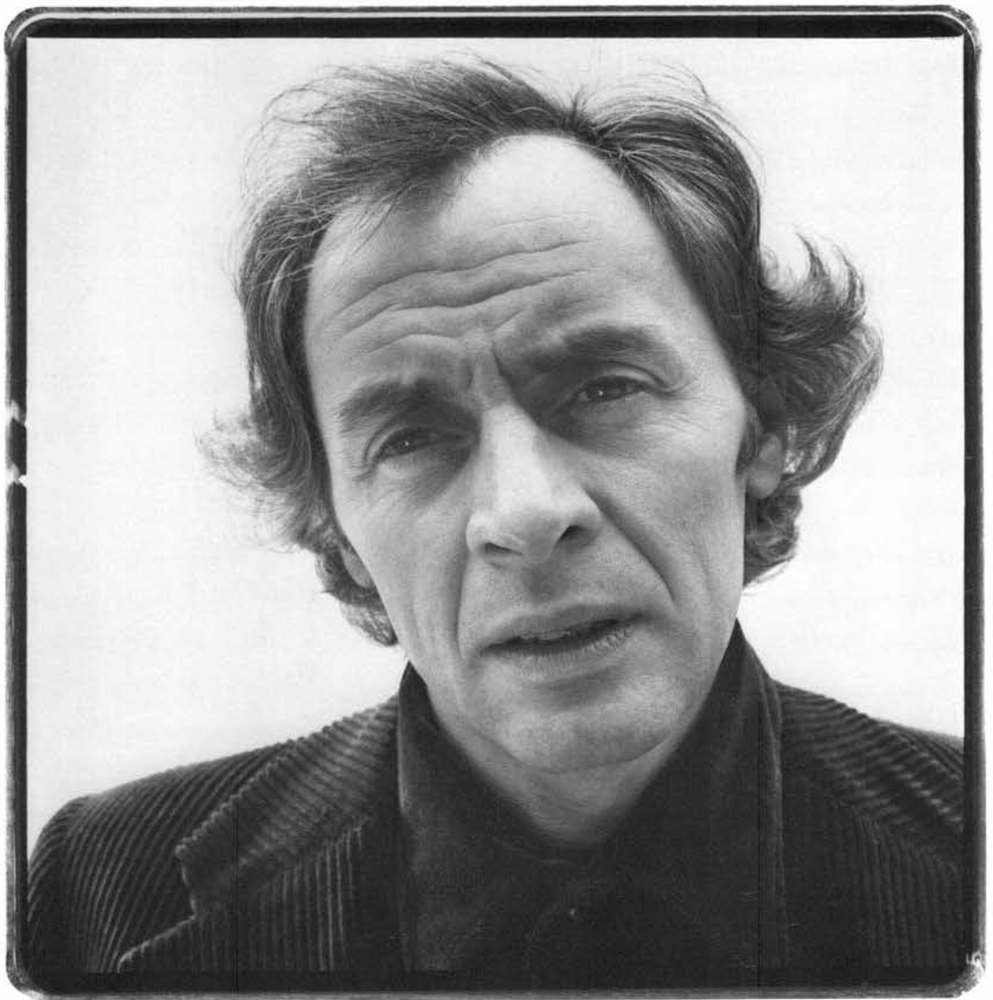
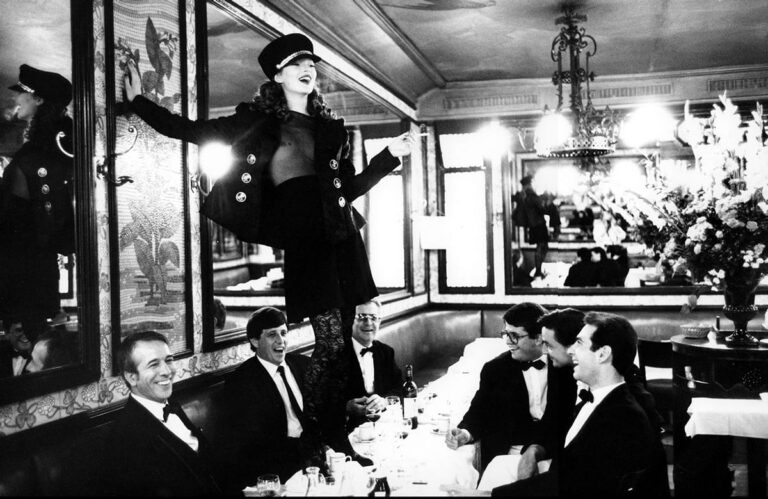
Where his predecessors had arranged models like mannequins, Avedon set them in motion, laughing, mid-stride, caught between gestures, in cafés and on the night streets of Paris. The garments remained the subject, but they were now animated by women who seemed caught in the act of living. The most celebrated of these photographs, Dovima with Elephants, made at the Cirque d’Hiver in Paris in 1955, remains one of the defining images of twentieth-century fashion: the model, in an evening dress designed by the young Yves Saint Laurent for Dior, stands with studied grace between two circus elephants, the refinement of couture set against their bulk and power.
In 1965, Avedon left Harper’s Bazaar for Vogue, where he would work for some two decades and shape the magazine at the height of its influence. In 1992 The New Yorker named him its first staff photographer, a role he held until his death. Portraiture ran alongside the fashion studies throughout his career, and books such as Observations, with an essay by Truman Capote, and Nothing Personal, with text by James Baldwin, set his photographs within the intellectual life of their time. He died on 1 October 2004 in San Antonio, Texas, while on assignment for the magazine.
Why Avedon’s Work Endures
Avedon’s fashion photographs endure because they brought the genre something it hadn’t possessed: narrative, feeling, the sense of a life in progress. He understood a garment as one element within a scene, charged with movement and mood, and that understanding became the template for the fashion photography that followed. The apparent spontaneity was the product of exacting control, and the discipline beneath the ease is inseparable from the authority of the work.
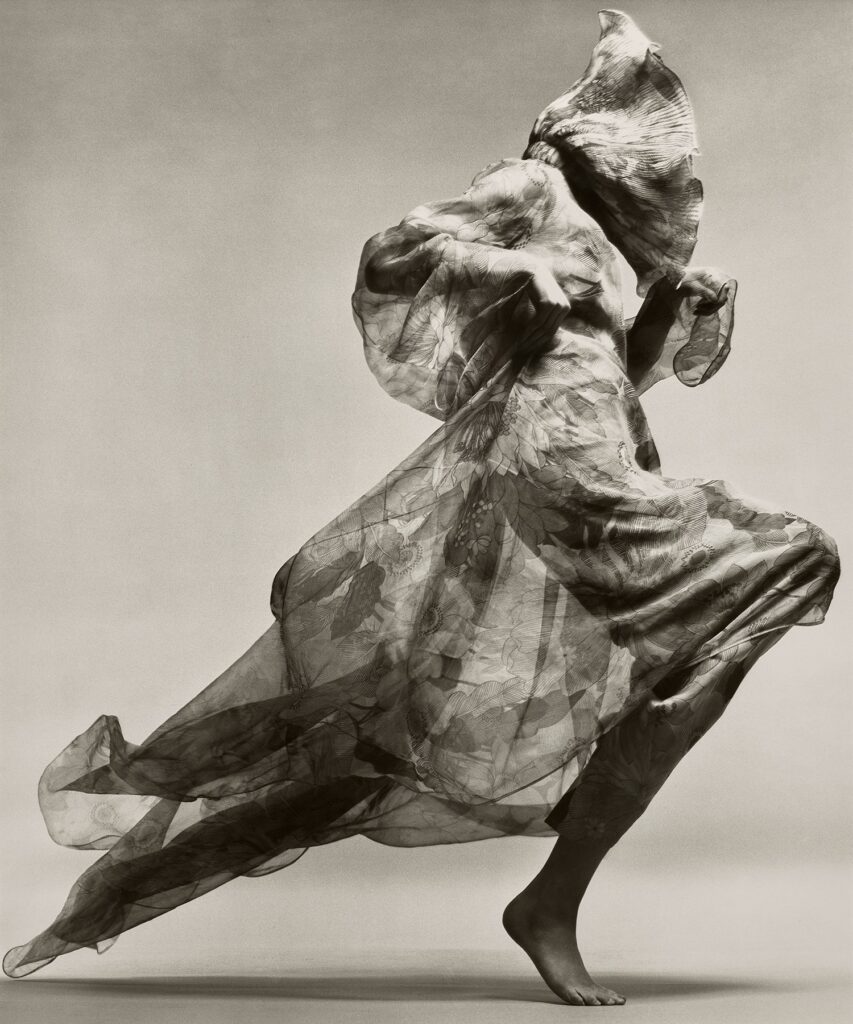
His portraiture proceeds from a different source of power. Working most often against a plain white ground, Avedon removed setting and circumstance until only the sitter remained, described with a precision that could be merciless. He photographed the celebrated and the anonymous with the same directness, and the results stand as studies of character rather than records of appearance. “All photographs are accurate,” he remarked. “None of them is the truth.” For In the American West, commissioned by the Amon Carter Museum and made between 1979 and 1984, he directed that method at drifters, miners and ranch hands across the western United States, producing a body of work that remains among the most debated and admired in American portraiture.
His standing was affirmed by institutions. The Metropolitan Museum of Art devoted a major retrospective to his work in 1978, and his photographs now belong to the permanent collections of the Metropolitan, the Museum of Modern Art and other leading museums, a reputation that reaches across commercial commission and fine art.
Richard Avedon in the Market
Avedon holds an established position in the photography market, with sustained demand for his fashion images and his portraits alike. Avedon’s auction record is held by Dovima with Elephants, Evening Dress by Dior, Cirque d’Hiver, Paris, 1955, a print of which sold for $1,815,000 at Christie’s New York in 2020. The best-known images command the strongest results, though the market extends well beyond them.
Avedon worked across a broad range of scale, from standard exhibition prints to the monumental mural prints associated with his portraiture, and these distinctions carry real weight at auction and in private sale. The Richard Avedon Foundation, which stewards the artist’s estate and archive, is an essential reference on questions of authenticity and printing history.
Ithaca Gallery advises private collectors on significant 20th and 21st-century photography, including works by Richard Avedon, with expertise spanning acquisitions, private sales and valuations. All inquiries are handled privately and with discretion.