
Purchasing fine art through public auction offers one of the most transparent and dynamic avenues for building a significant art collection. Because valuations are determined in real time through competitive bidding, the final results instantly become part of the permanent public record. Navigating marquee evening sales and day auctions with confidence requires a sophisticated combination of rigorous due diligence, financial discipline, and a clear understanding of secondary market mechanics. The most successful acquisitions are the result of strategic preparation, meticulous research, and a nuanced understanding of an artwork’s place within the broader cultural landscape.
The Pre-Sale Exhibition and Due Diligence
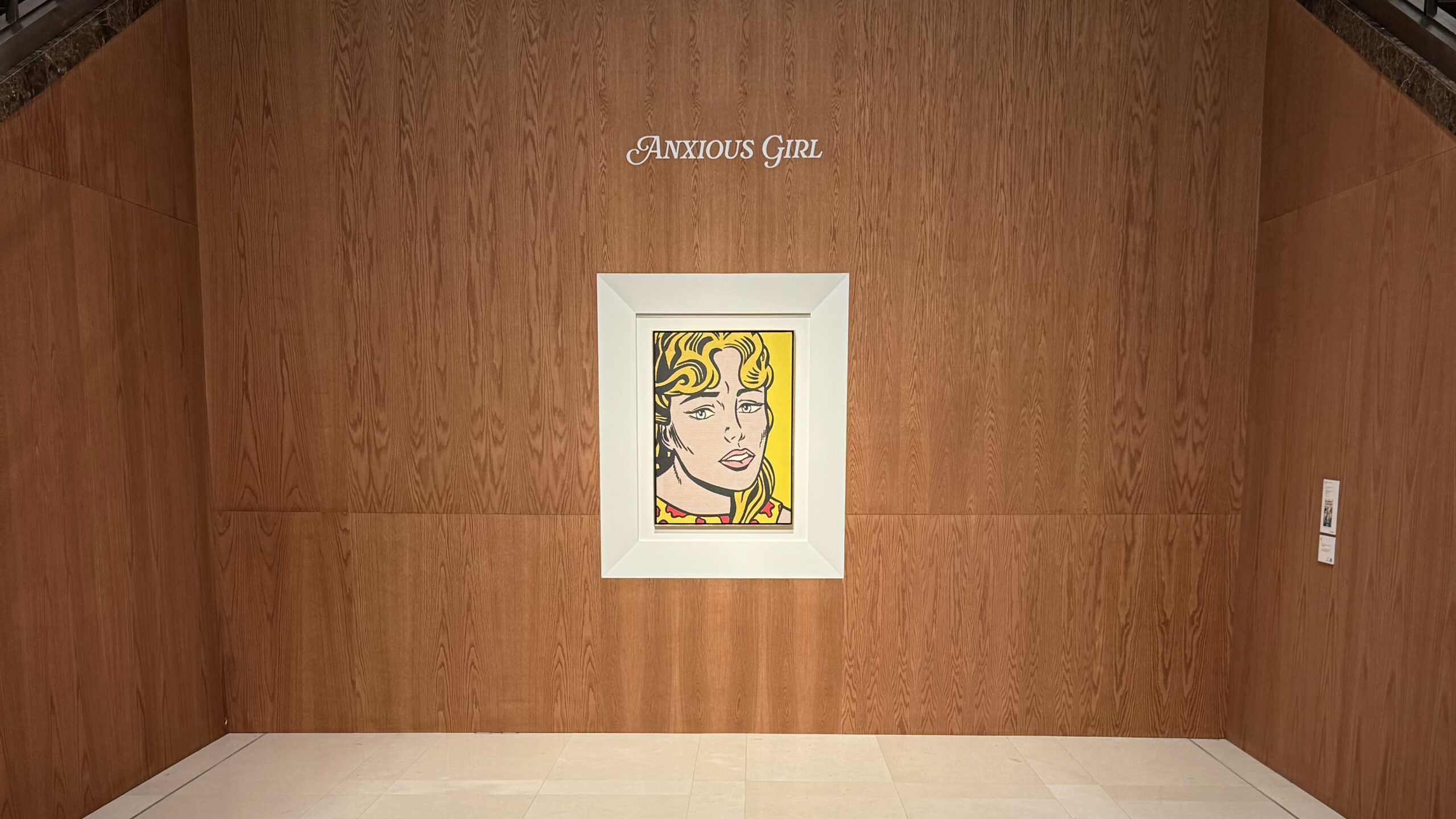
Every major auction is preceded by a public viewing, a curated exhibition open to collectors typically held for three to seven days prior to the sale. Attendance at these viewings is strongly recommended. While a digital or printed catalogue serves as an indispensable reference point, it cannot substitute for a firsthand inspection of artworks. Surface condition, restoration, fading, framing, scale, and overall presence are often impossible to fully evaluate through images alone.
Consulting with Department Specialists
Specialists at major auction houses such as Christie’s, Sotheby’s, and Phillips are available throughout the exhibition to discuss individual lots, provide provenance documentation, and share written condition reports.
For any lot under serious consideration, collectors should formally request a written Condition Report well in advance of the auction. Because auction houses sell property in its current state, understanding the physical condition of a lot is paramount. If the technical terminology is unfamiliar, you should ask the department specialist for clarification and to review the piece with you under ultraviolet light. For high-value or highly sensitive lots, collectors frequently retain an independent conservator to inspect the work on their behalf.
Analyzing Secondary Market Data
A sophisticated bidding strategy relies on rigorous market context. Collectors should utilize premium databases such as Artnet, Artprice, and the auction houses’ own digital archives to analyze recent comparable sales. When evaluating historical data, it is necessary to look beyond the headline hammer price. A precise valuation must account for the specific period of the artist’s career, the physical condition of the work, its freshness to the market, and the macro-economic climate at the exact moment the historical price was achieved.
Understanding Estimates and Reserves
Navigating the financial architecture of an auction requires understanding the critical distinction between public estimates and confidential agreements.
Pre-Sale Estimates
Each lot is assigned a pre-sale estimate indicating the price range within which the auction house expects competitive bidding to conclude. It is vital to note that estimates are not formal valuations. Instead, they are strategic pricing tools developed by specialists in consultation with the consignor to stimulate market interest and anchor bidding expectations based on recent comparable data.
The Confidential Reserve Price
Separately, almost every lot carries a confidential reserve price, which is the absolute minimum amount the consignor has legally agreed to sell the work. By industry standard, the reserve is strictly capped at or below the published low estimate.
Understanding this distinction allows a collector to accurately read the room:
A Successful Sale: If a lot hammers below its low estimate but above the reserve, it has sold successfully.
A Bought-In Lot: If bidding fails to meet the reserve, the work remains unsold. In the industry, this is referred to as being bought in or passed.
A hammer price of $40,000 against an estimate of $50,000 to $70,000 communicates a specific narrative about immediate demand for that particular artwork, providing data for your broader market analysis.
Financial Structures: Guarantees and Third-Party Backing
At the upper echelon of the global art market, particularly during highly publicized evening sales, many premier works are protected by financial guarantees.
House Guarantees: The auction house guarantees the consignor a minimum price for the artwork regardless of the auction’s live outcome. If bidding does not exceed the guaranteed amount, the auction house assumes the financial risk associated with the guarantee.
Third-Party Guarantees: The auction house offsets its risk by finding an outside collector or investor who agrees to bid a specific minimum price before the auction begins. These are often referred to as irrevocable bids because the guarantor has effectively committed to purchasing the work if no higher bidder emerges. In exchange for taking on this risk, the third-party guarantor may receive a financing fee or a share of the upside if the work sells above their guaranteed bid.
While guarantees provide market stability and secure high-profile consignments, they also alter live bidding dynamics. Sophisticated buyers recognize that guaranteed sales do not always reflect purely organic, real-time market demand.
The Bidding Process: Registration and Execution
Registering to Bid
To participate in an auction, formal registration is mandatory. Major auction houses require new clients to submit government-issued identification, verified contact details, and financial references or pre-arranged proof of funds for high-value transactions. First-time bidders should always initiate this process several business days prior to the sale. Attempting to register on the day of the auction risks missing the lot entirely.
In-Person: Bidding directly on the salesroom floor using a numbered paddle issued upon arrival.
Telephone: A designated auction house representative calls you directly from the floor, relaying the auctioneer’s pace and placing bids on your behalf.
Absentee: You submit a binding maximum bid before the auction. The auctioneer executes this bid on your behalf, attempting to secure the lot at the lowest possible price against competing bids.
Online: Participating remotely via the auction house’s digital bidding platform or mobile application.
The True Cost of Acquisition: The Buyer’s Premium
One of the most frequent errors made by novice collectors is confusing the hammer price with the final purchase price. The hammer price represents only the final winning bid announced by the auctioneer.
The actual purchase price consists of the hammer price plus the Buyer’s Premium, which is a mandatory, sliding-scale administrative fee charged by the auction house to the winning bidder. Because the buyer’s premium is calculated on a tiered, regressive scale, you must calculate your total out-of-pocket exposure before bidding. A $100,000 hammer price can easily translate into an actual cash outlay of $125,000 or more once premiums, local sales taxes, fine art insurance, and white-glove shipping are factored into the calculation.
Maintaining Discipline: Setting a Maximum Bid
Before the auctioneer opens the bidding for your lot, you should establish an absolute financial ceiling. Your limit should be a definitive number rather than a flexible range.
The theater of a live auction is intentionally choreographed to generate momentum. The rapid rhythm of the auctioneer’s cadence, the competitive psychology of opposing bids, and the adrenaline of the salesroom can easily cloud rational judgment. Experienced collectors establish their maximum price well in advance and maintain absolute emotional distance once the bidding commences. Exceeding your pre-determined limit under the pressure of the moment is rarely a triumph; more often, it is simply overpaying for an asset.
Post-Sale Settlement and Logistics
Upon the fall of the hammer, the post-sale clearance process begins:
Invoicing and Payment: Successful buyers receive an official invoice detailing the final purchase price. Payment is typically required via bank wire transfer within seven to ten business days.
Release of Property: Once funds have fully cleared the auction house’s accounts, the artwork is released for collection.
Logistics and Shipping: Due to the fragile and high-value nature of fine art, standard commercial couriers are insufficient. Most major houses coordinate transit via specialized, climate-controlled fine art shipping providers. If international import duties or complex shipping logistics could materially impact your acquisition budget, you should always request a comprehensive transit estimate from the shipping department prior to bidding.
Interpreting the Market Record
While public auction data provides an invaluable window into the macro-trends of the art market, it should never be conflated with the intrinsic or long-term value of an artwork. A hammer price reflects nothing more than what one specific buyer was willing to pay against one specific underbidder, on one given afternoon, under highly localized market conditions.
An auction result does not dictate an object’s ultimate artistic significance, its historical rarity, its physical quality, or its future market trajectory. The most successful collectors view auction records as a singular data point within a holistic framework that includes academic scholarship, pristine provenance, rigorous condition evaluation, and institutional museum support. Auction houses provide access to the market; deep expertise provides the context required to navigate it.
For bespoke advisory services, comprehensive collection management, and strategic guidance on acquisitions across both the primary and secondary art markets, please contact Ithaca Gallery directly at info@galleryithaca.com